
USA · 30 April, 2026 · 7 min read
Trump Deploys ICE Agents to Major Airports as TSA Security Staff Shortage Persists
DHS funding bill funds most agencies but excludes ICE and CBP. Shutdown ends after Trump signs the DHS funding package.
ICE deployment at airports vs. funding decision leaving ICE unfunded.
16 of 17 outlets skipped it: 14 airports were reported to have ICE deployed due to staffing shortages at the airports..
23outlets compared
Same story, two versions
tap a side to read it in full
DW
“El ICE monitoreará las salidas y se encargará de la logística, para que los funcionarios de TSA se enfoquen en los controles de seguridad.”Read the original ↗
NBC News
“The bill does not provide new funding for Immigration and Customs Enforcement or the Border Patrol, however, as Democrats demand changes to immigration enforcement.”Read the original ↗
DW describes ICE taking an active, logistical role at airports; NBC (and others) describe a legislative outcome that withholds ICE funding, highlighting a clash between on-the-ground measures and the funding framework.
ICE en aeropuertos
El lunes 23.03.2026, agentes del servicio estadounidense de inmigración (ICE) fueron desplegados en los principales aeropuertos del país, según un funcionario del gobierno, debido a la escasez de personal de seguridad causada por la parálisis presupuestaria parcial en el Congreso.
“Agentes del servicio estadounidense de inmigración (ICE) fueron desplegados el lunes (23.03.2026) en los principales aeropuertos del país”
El despliegue se produjo en un contexto en el que el ICE “está bajo un intenso escrutinio por los tiroteos mortales que ha protagonizado en medio de operativos antiinmigración”, un historial que llevó “finalmente al cese de la secretaria de Seguridad Nacional, Kristi Noem”.

El presidente Donald Trump había amenazado el sábado con enviar las fuerzas de ICE a las terminales aéreas, donde los viajeros esperan por horas debido a la falta de personal de la Agencia de Seguridad en el Transporte (TSA).
El texto atribuye la causa inmediata al “bloqueo presupuestario”, que habría pausado las operaciones del Departamento de Seguridad Nacional, y añade que “sus funcionarios no cobran”.
En ese escenario, “El personal de ICE asumió las responsabilidades de esa agencia en los congestionados aeropuertos”, mientras el ICE monitoreará las salidas y se encargará de la logística para que “los funcionarios de TSA se enfoquen en los controles de seguridad”.
Sin embargo, DW subraya que “los agentes del ICE no están capacitados en seguridad aérea”, y que su papel central en la agenda de control migratorio de Trump genera dudas sobre la eficacia para reducir tiempos de espera y sobre si podría “avivar las tensiones con los viajeros”.
En paralelo, el líder de la minoría demócrata de la Cámara Hakeem Jeffries dijo a CNN que la medida podría crear “nuevos riesgos”, y la senadora republicana Lisa Murkowski advirtió que “no es la misión de ICE” y señaló “tensiones adicionales”.
Fin del cierre
Mientras el despliegue de ICE en aeropuertos ocurría en medio de la parálisis presupuestaria, el Congreso también avanzó para poner fin al cierre más largo de una agencia en la historia.
Federal News Network y PBS (AP) describen que el presidente Donald Trump firmó el jueves una legislación bipartidista para financiar “much of the Department of Homeland Security” y terminar el “longest agency shutdown in history”, aunque sin financiar “its immigration enforcement operations”.

El texto precisa que el Departamento de Seguridad Nacional “has been without routine funds since Feb. 14”, lo que causó “hardship for workers”, y que la Casa Blanca había advertido que el financiamiento temporal para pagar a la TSA y a otros empleados “would “soon run out”.
En Federal News Network se cita a la representante Rosa DeLauro diciendo: “It is about damn time”, y se detalla que la Cámara aprobó el paquete “by voice” sin “a formal roll call”.
NBC News añade que el proyecto cubrió agencias de DHS como “the Federal Emergency Management Agency, the Coast Guard, the Transportation Security Administration and the Secret Service through the end of September”, pero que “does not provide new funding for Immigration and Customs Enforcement or the Border Patrol”.
En paralelo, Politico y NPR sitúan el desenlace en el día 76 del cierre, con la Cámara aprobando por “voice vote” una medida que reabre “most of the Department of Homeland Security” sin dinero para “Immigration and Customs Enforcement and Customs and Border Protection”.
En ese mismo marco, CNN afirma que Trump firmó el proyecto “into law” y que la medida incluye “no money for federal immigration enforcement”, describiendo el resultado como “a major win for Democrats”.
El pulso por ICE
El acuerdo que reabrió gran parte de DHS no resolvió la disputa política que, según los textos, detonó el cierre.
“Democrats refused to back funding for many of the agency's immigration functions”
NPR explica que los demócratas rechazaron respaldar financiamiento para “many of the agency's immigration functions” en un intento fallido por obtener reformas como “body-worn cameras” y restricciones amplias sobre “face coverings” después de que agentes federales mataran a “two American citizens in Minnesota earlier this year”.
Federal News Network y PBS (AP) describen que, tras los asesinatos de Renee Good y Alex Pretti, ambos ciudadanos estadounidenses, “Democrats refused to fund U.S. Immigration and Customs Enforcement and the Border Patrol withoutchanges to those operations”, mientras que los republicanos no aceptaron un plan para financiar TSA y otras partes de DHS sin dinero para ICE y Border Patrol.
En esa misma línea, Politico y CNN conectan el estancamiento con la negativa de la Cámara a negociar guardrails y con la insistencia republicana en financiar sin condiciones.
En Federal News Network se cita que House Speaker Mike Johnson llamó al paquete “a “joke””, y que luego, para destrabar, “Republican leaders in both the House and Senate decided to tackle the immigration enforcement funding on their own through what is called budget reconciliation”.
NBC News añade que Johnson rechazó el plan de marzo como “a joke” y que, al cambiar de postura, señaló “the party’s progress on funding ICE and the Border Patrol”.
En NPR, el resultado se describe como una estrategia de dos vías: se reabre la mayor parte de DHS, mientras los republicanos avanzan por separado con “budget reconciliation” para ICE y CBP.
Voces y advertencias
Las reacciones políticas y las advertencias sobre riesgos aparecen de forma repetida en los textos, con demócratas y republicanos usando marcos distintos para describir el acuerdo y el despliegue.
Federal News Network atribuye a la representante Rosa DeLauro: “It is about damn time”, mientras que Politico recoge que Speaker Mike Johnson dijo a reporteros: “Democrats got absolutely nothing for their political charades and shenanigans”.
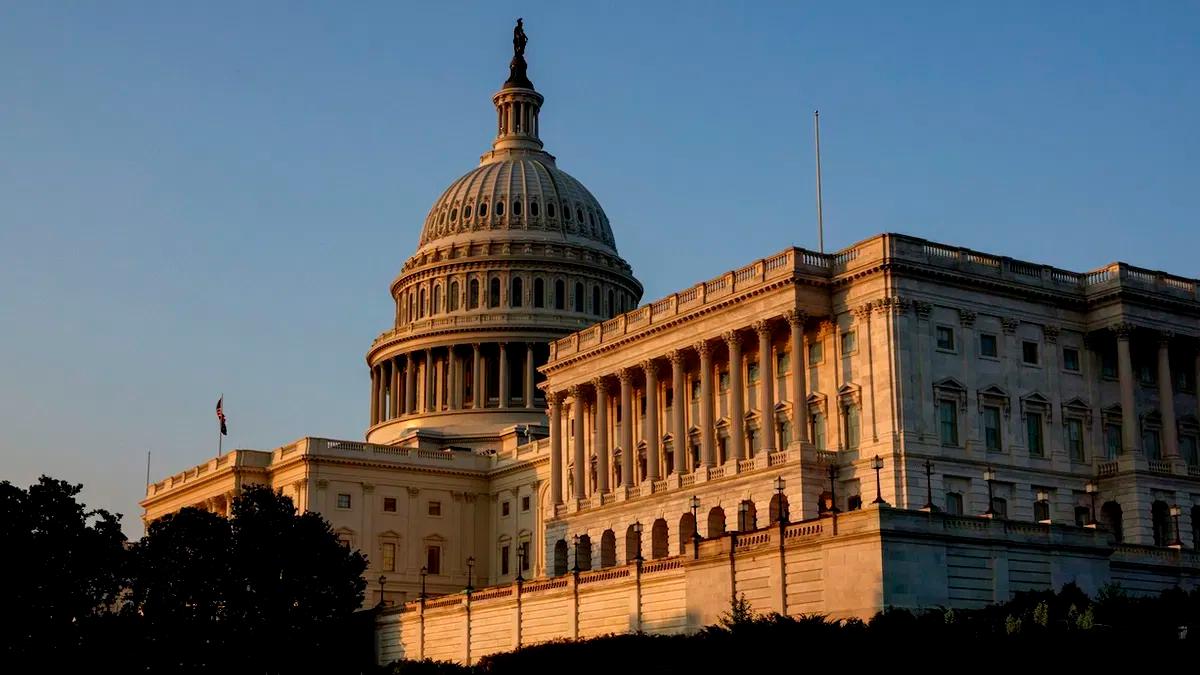
En el mismo paquete, Rep. Chip Roy de Texas aparece en varios textos criticando la separación del financiamiento: en Federal News Network se cita que Roy dijo que aislar el dinero de inmigración es “offensive to the men and women who serve in ICE and Border Patrol, and are serving this country every single day”, y en CNN se repite que Roy dijo “I think it’s asinine that we’re funding the government this way”.
En DW, la senadora republicana Lisa Murkowski advirtió que “no es la misión de ICE” y señaló “tensiones adicionales”, mientras Hakeem Jeffries dijo a CNN que la medida podría crear “nuevos riesgos”.
En cuanto a la urgencia operativa, NBC News recoge que Homeland Security Secretary Markwayne Mullin había advertido que si no se aprobaba el financiamiento “by Thursday, emergency funding would run out and thousands of workers would not be paid”.
Le Monde y NPR también citan advertencias de Mullin sobre el agotamiento de fondos de emergencia, y NPR añade que Mullin dijo: “We have reached all the emergency funds we can reach into,” y “I am completely out of the slush fund, I have no place to move at the end of the month.”
En el plano presupuestario, Politico y Federal News Network describen que Johnson y otros republicanos enmarcan el proceso como una forma de evitar que los demócratas bloqueen, con Johnson diciendo “We threw a fit,” y “We had to.”
Qué sigue y riesgos
Con el cierre parcial terminado para la mayor parte de DHS, los textos describen que la atención se desplaza a la siguiente fase: financiar ICE y Border Patrol mediante un proceso presupuestario separado.
“Republicans will try in the coming weeks to keep them funded for the rest of Trump’s term”
NBC News señala que “Both ICE and border enforcement had funding during the shutdown” y que “Republicans will try in the coming weeks to keep them funded for the rest of Trump’s term”.

Federal News Network y Fortune (y también 6abc) detallan que la estrategia es “budget reconciliation” y que el objetivo es “eventually providing $70 billion for immigration enforcement and deportations for the remainder of Trump’s time in office”, con el término de Trump “expires in January 2029”.
En cuanto a consecuencias inmediatas para operaciones, CNN y DW conectan el cierre con “long lines at airport security screening” y con el despliegue de ICE en aeropuertos, y Federal News Network y PBS (AP) conectan el riesgo con “missed paychecks in May” y con la advertencia de que el financiamiento temporal “would “soon run out”.
En el plano de personal, Federal News Network y Fortune citan que “Some employees risked missed paychecks in May” y que “With salaries topping a combined $1.6 billion every two weeks” el dinero se estaba agotando, mientras que Fortune y 6abc citan que “More than 1,000 TSA officers have quit since the shutdown began”.
Finalmente, Politico y CNN subrayan que el acuerdo de reapertura no implica cambios en tácticas de control migratorio, y Politico resume el “upshot” como que “there will be no changes to the Trump administration’s immigration enforcement tactics”.