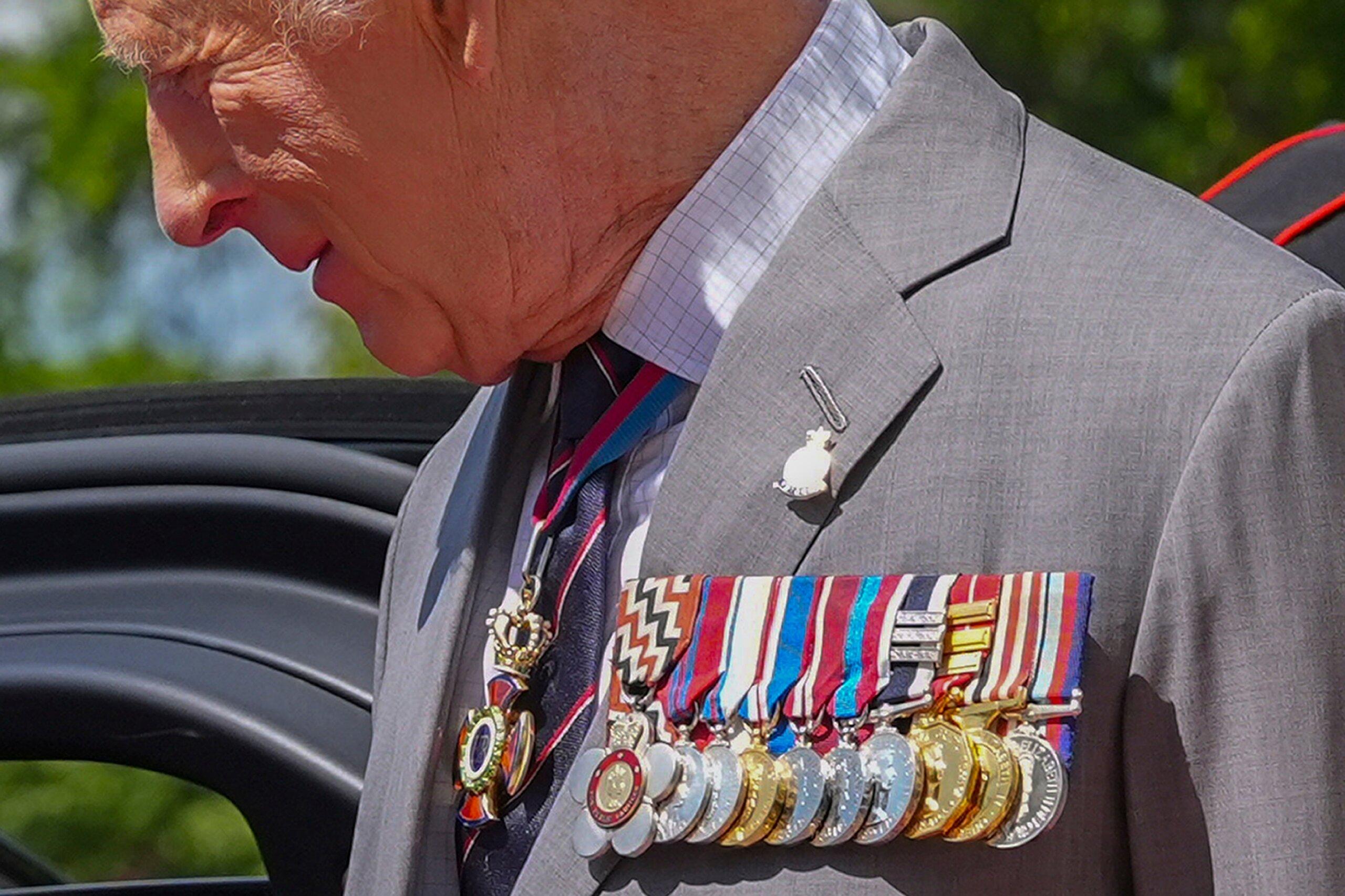
Trump Removes Scotch Whisky Tariffs After King Charles III and Queen Camilla Visit
Key Takeaways
- Trump removed whisky tariffs and restrictions after King Charles III and Queen Camilla's visit.
- Aims to boost Scotland-Kentucky whisky collaboration by lifting restrictions.
- Trump credited King Charles III and Queen Camilla for persuading the decision, via Truth Social.
Tariffs lifted after royal visit
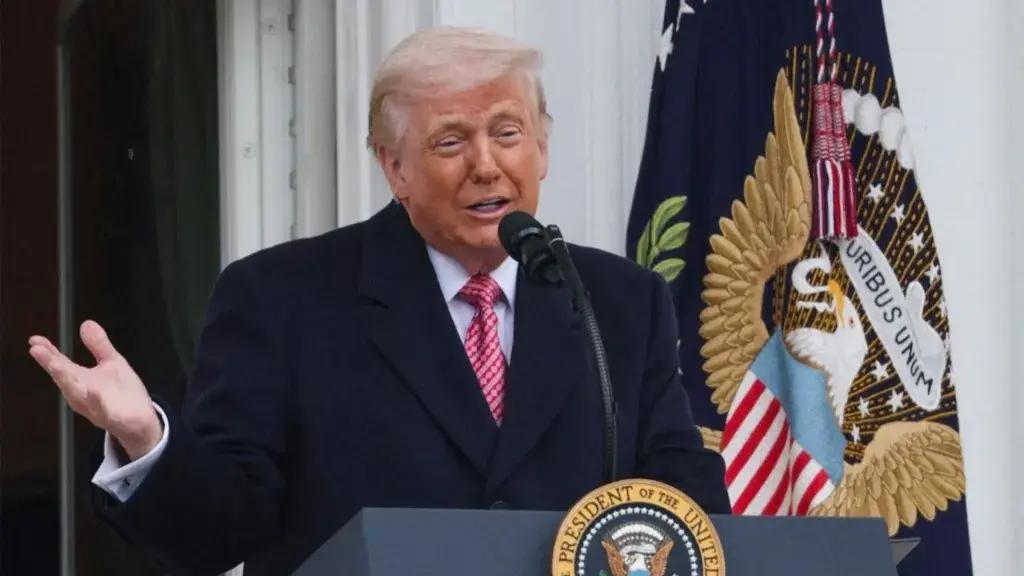
President Donald Trump said Thursday that he would remove tariffs on Scotch whisky after a four-day U.S. state visit by King Charles III and Queen Camilla, crediting the royals for persuading him to act.
Trump announced the move on Truth Social, writing, "The King and Queen got me to do something that nobody else was able to do, without hardly even asking!"
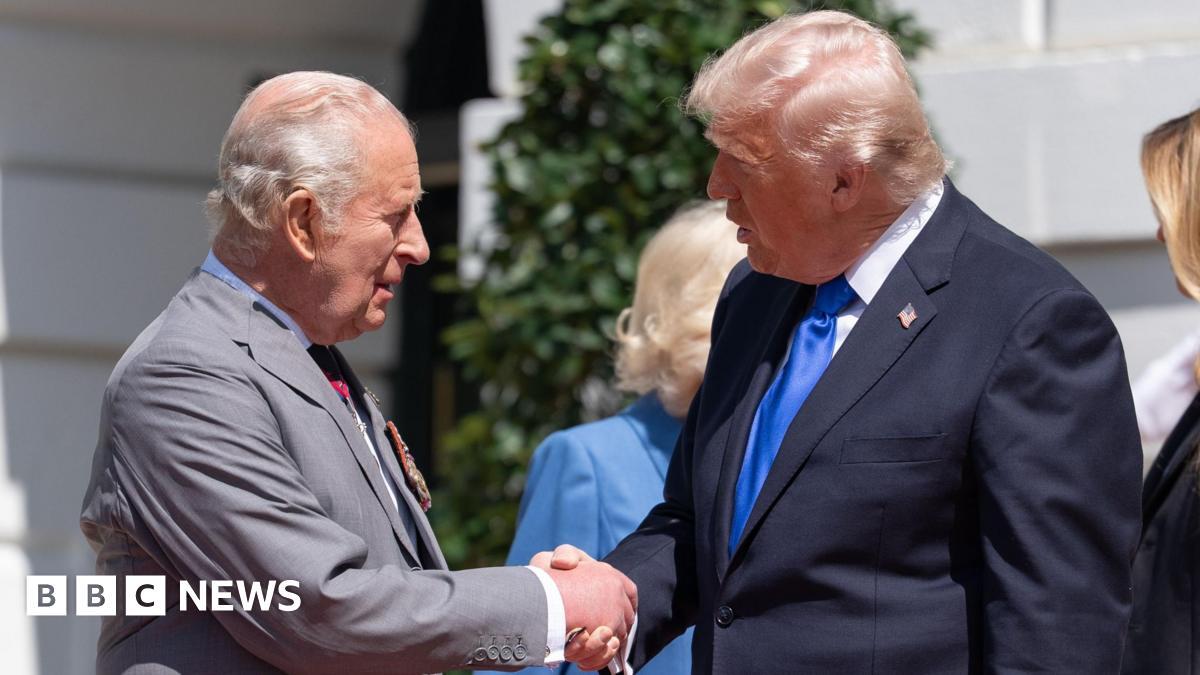
He said, "In Honor of the King and Queen of the United Kingdom, who have just left the White House, soon headed back to their wonderful Country, I will be removing the Tariffs and Restrictions on Whisky."
The restrictions, as Trump framed them, were tied to "Scotland’s ability to work with the Commonwealth of Kentucky on Whisky and Bourbon, two very important industries within Scotland and Kentucky," according to Fox Business and Politico.
Politico reported that Trump said the change was a celebration of the connection between the U.S. and the U.K. to cap off the royal visit.
The Courier-Journal and BBC likewise described the announcement as following the King and Queen’s four-day visit, with the BBC adding that Trump said he would lift restrictions on Scotland’s ability to work with Kentucky on whisky and bourbon.
While the BBC said Trump would remove all tariffs and restrictions on whisky imports in honor of the visit, Fox Business said his announcement was unclear about whether it applied to bottles of Scotch or to production materials in both the United States and Scotland.
How the tariff fight worked
The whisky tariff Trump moved to lift was part of a broader 10% baseline tariff on most British exports to the United States that the U.S. and U.K. signed a deal to allow in 2025.
Fox Business said that in 2025 the U.S. and the U.K. signed a deal allowing Washington to impose a 10% baseline tariff on imports of most British goods.
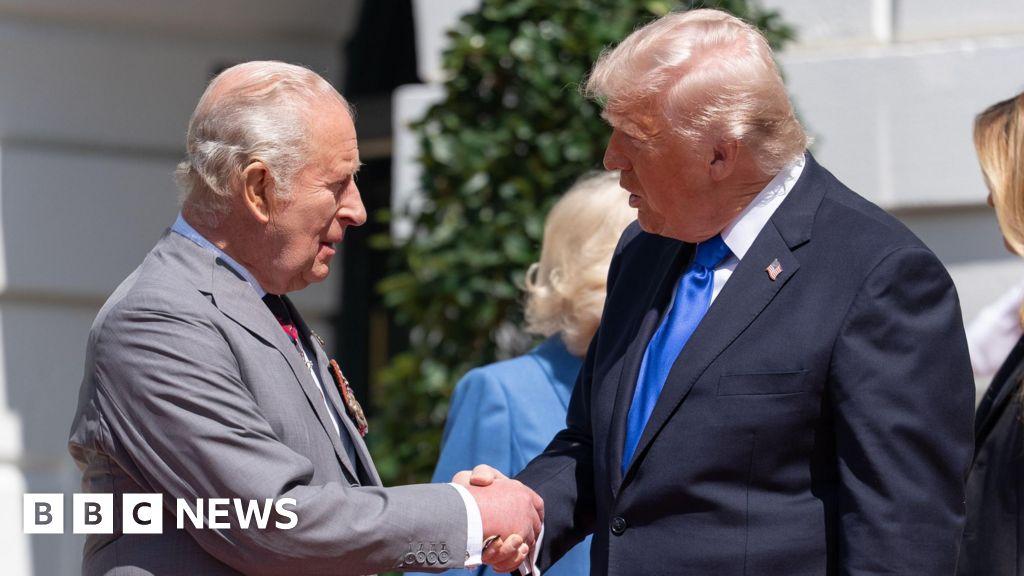
Politico described the lobbying effort as centered on eliminating the 10 percent tariff on Scotch whisky, and it said the lobbying hinged on the U.S. being the largest consumer of Scotch whisky and on Scotland importing "hundreds of millions of dollars a year" in oak barrels from Kentucky distillers.
Kentucky bourbon is required by law to be aged in new, charred oak barrels, Politico reported, and it said the wooden barrels are used to age the alcohol.
The Guardian added that the U.S. and the U.K. signed a deal in 2025 allowing Washington to impose a 10% baseline tariff on imports of most British goods, including whisky, and it said the Scotch Whisky Association estimated the charges cost the industry "£4m a week."
The Hill and BBC both tied the 10% tariff on Scottish whisky to the period when Trump put sweeping tariffs on almost every country, with the Hill saying the 10 percent tariff was imposed last April.
In addition to the tariff itself, Politico and BBC described how the restrictions were linked to the ability of Scotland and Kentucky to trade the wooden barrels used for aging.
Officials and industry reaction
The announcement drew immediate support from U.S. and industry figures, who framed the move as restoring reciprocal trade and easing pressure on distillers.
The Hill reported that the Scotch Whisky Association celebrated the move, quoting Mark Kent saying, "This deal is a significant boost for the Scotch Whisky industry in our most valuable export market. Distillers can breathe a little easier during a period of significant pressure on the sector."
Politico similarly quoted Mark Kent, saying, "Distillers can breathe a little easier during a period of significant pressure on the sector."
The Distilled Spirits Council’s Chris Swonger praised the decision as a return to a trade model, saying, "We applaud President Trump for working to restore a proven zero‑for‑zero model of fair, reciprocal trade between our two nations."
Fox Business and the Boston Globe (AP) both carried Swonger’s statement that the action would "strengthens transatlantic ties, brings much‑needed certainty to our industry and allows spirits producers on both sides of the Atlantic to grow, invest and support jobs at a critical time."
On the political side, Politico reported that Kentucky lawmakers backed the move, including Rep. Andy Barr, who wrote, "As the Chairman of the Congressional Bourbon Caucus, I’m raising a glass to President Donald Trump for this important victory for our signature Kentucky bourbon industry!"
On the U.K. side, BBC reported that Scotland’s First Minister John Swinney called it "tremendous news for Scotland" and said, "Millions of pounds were being lost every month from the Scottish economy."
Trade numbers and market impact
Beyond the political and industry praise, multiple outlets tied the tariff to measurable declines in exports and to costs faced by the Scotch whisky sector.
Politico reported that Scotch exports to the U.S. were down 15 percent in 2025, citing the Scotch Whisky Council, and that U.S. whisky exports were down 19 percent in 2025, citing the Distilled Spirits Council of the U.S.

The Guardian said the whisky market had suffered from higher levies and declining rates of alcohol consumption, and it cited the Scotch Whisky Association’s estimate that the charges cost the industry "£4m a week."
BBC quantified the losses further, with Graeme Littlejohn telling BBC Scotland News that the industry was losing "around £4m a week in lost exports to the United States - £150m over the course of the last year while tariffs have been in place."
The Courier-Journal also referenced earlier reporting that export volume fell by 15% following the 10% tariff in April 2025, and it described the tariff as part of a 10% baseline tariff on most British exports to the U.S. that had been in place since May 2025.
The Boston Globe (AP) said Trump had used alcohol as a pressure point in tariff threats, noting that last year he threatened a 200 percent tariff on European wine, though the proposal never came to fruition.
In the same AP account, Chris Swonger interpreted Trump’s post as a removal of the 10% tariff on whisky from the United Kingdom, reinforcing how the market impact was expected to flow through the barrel trade.
Diplomatic framing and uncertainty
While many outlets described Trump’s move as removing the 10% tariff on Scotch whisky, the coverage also reflected uncertainty about the exact scope of what was lifted and how it related to the 2025 baseline tariff.
Fox Business said Trump’s announcement was unclear as to whether the tariff removal applied to bottles of Scotch or on the materials used to produce alcohol in both the United States and Scotland.

The South China Morning Post similarly said it was not clear if Trump meant duties on bottles of Scotch or on the materials used to produce the alcohol, and it added that the White House did not respond to emails seeking clarification.
BBC, by contrast, said the UK government confirmed this applies to all whisky tariffs, including on Irish whiskey, and it described Trump’s statement as removing all tariffs and restrictions on whisky imports.
The Guardian described Trump’s action as removing all tariffs on whisky imports as a gesture of diplomatic friendliness after King Charles’s visit to the White House.
Politico and Fox Business both connected the decision to the barrel trade between Scotland and Kentucky, with Politico quoting Trump’s emphasis on "Wooden Barrels used" and Fox Business saying Trump lifted tariffs to enhance the trade of barrels between Scotland and Kentucky.
The diplomatic context was also explicit in The Guardian, which quoted Charles telling Congress, "America’s words carry weight and meaning, as they have since independence. The actions of this great nation matter even more," and BBC reported Buckingham Palace’s response that the King sent his "sincere gratitude" and would be raising a dram.
More on USA
Trump Deploys ICE Agents to Major Airports as TSA Security Staff Shortage Persists
23 sources compared

Trump Says He Doesn’t Know If He Can Handle Wearing Bulletproof Vest After White House Shooting
12 sources compared
Donald Trump Renames Strait of Hormuz ‘Strait of Trump’ Amid US-Iran Naval Blockade
17 sources compared

King Charles and Queen Camilla Lay Flowers at New York’s 9/11 Memorial
10 sources compared