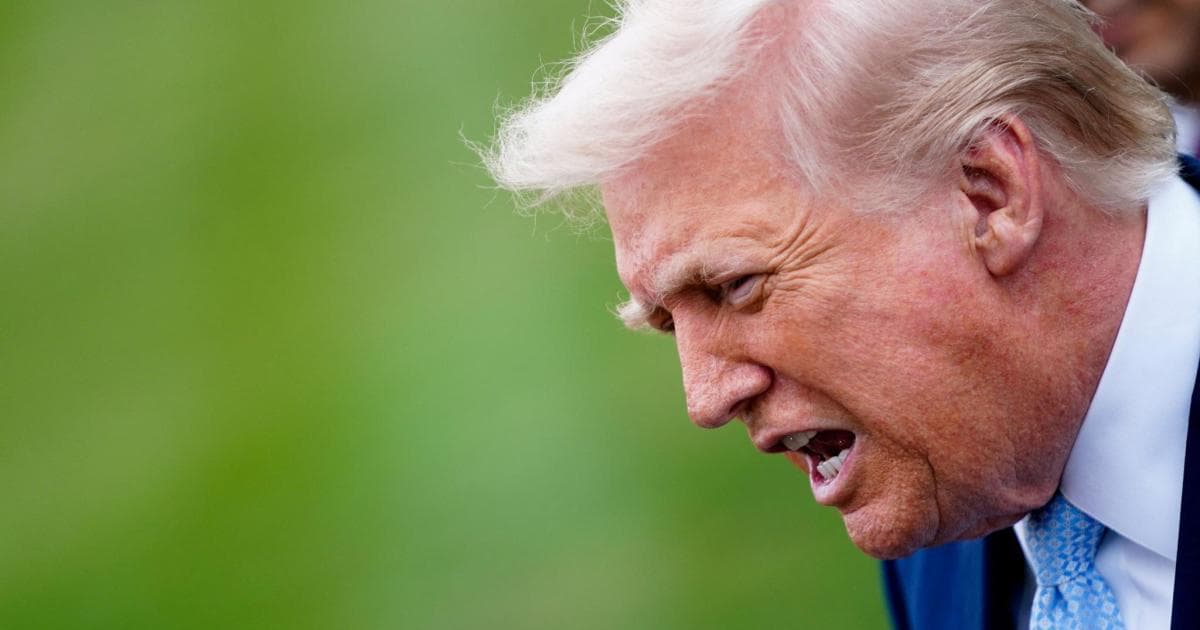
Trump Deploys ICE Agents to Airports to Bolster TSA Amid Pay Standoff
Key Takeaways
- Trump to deploy ICE agents to airports to assist TSA amid DHS funding dispute.
- Tom Homan named to lead the deployment across major U.S. airports.
- Deployment would begin Monday to relieve long TSA lines amid staffing shortages.
ICE Deployment Announcement
President Donald Trump has announced the deployment of Immigration and Customs Enforcement (ICE) agents to U.S. airports starting Monday, in an extraordinary move to address staffing shortages at Transportation Security Administration (TSA) checkpoints during a partial government shutdown.
“en EnglishUnited States Deutsch English Español Français Italiano العربية All languages Afrikaans azərbaycan bosanski català Čeština Cymraeg Dansk Deutsch eesti EnglishUnited Kingdom EspañolEspaña EspañolLatinoamérica euskara Filipino FrançaisCanada FrançaisFrance Gaeilge galego Hrvatski Indonesia isiZulu íslenska Italiano Kiswahili latviešu lietuvių magyar Melayu Nederlands norsk o‘zbek polski PortuguêsBrasil PortuguêsPortugal română shqip Slovenčina slovenščina srpski (latinica) Suomi Svenska Tiếng Việt Türkçe Ελληνικά беларуская български кыргызча қазақ тілі македонски монгол Русский српски Українська ქართული հայերեն עברית اردو العربية فارسی አማርኛ नेपाली मराठी हिन्दी অসমীয়া বাংলা ਪੰਜਾਬੀ ગુજરાતી ଓଡ଼ିଆ தமிழ் తెలుగు ಕನ್ನಡ മലയാളം සිංහල ไทย ລາວ မြန်မာ ខ្មែរ 한국어 日本語 简体中文 繁體中文 繁體中文香港 Sign in Sign in”
The announcement came via Trump's Truth Social platform where he stated 'ICE will be going to airports to help our wonderful TSA Agents' while criticizing Democrats for endangering national security by withholding funding.
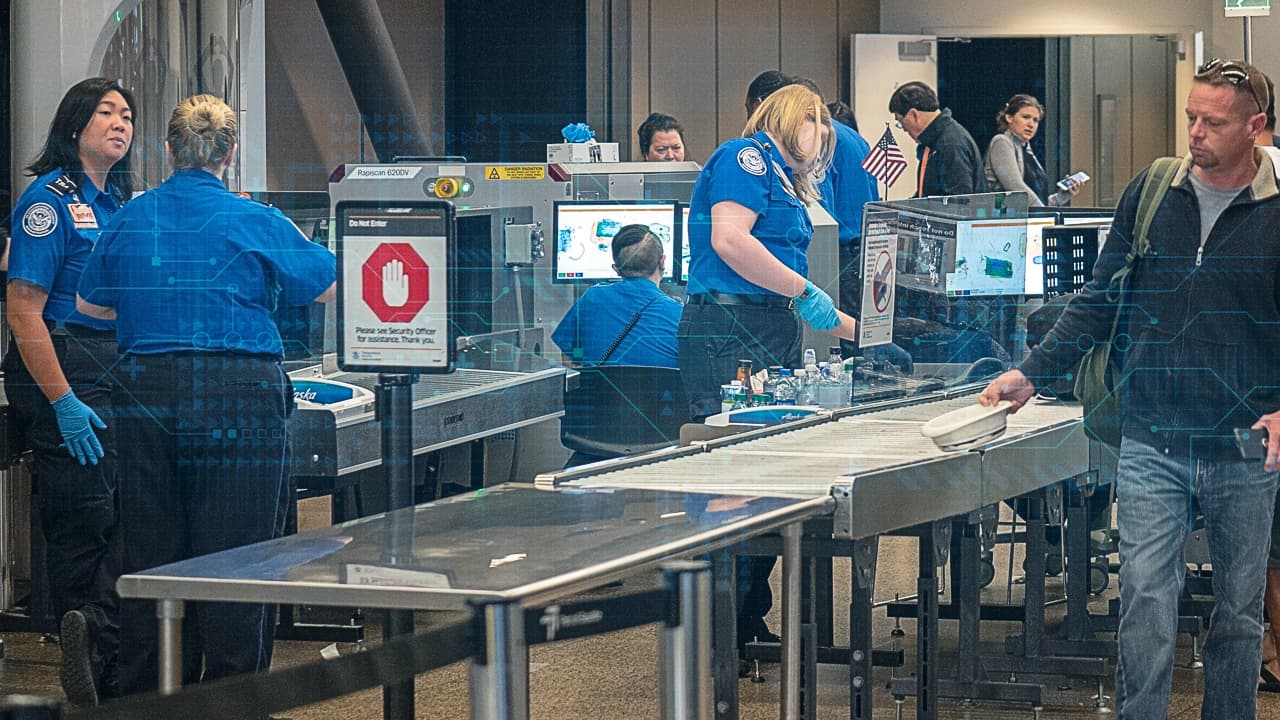
White House border czar Tom Homan confirmed he would oversee the operation, with officials finalizing plans for which airports would receive agents and what specific duties they would perform.
The move represents a dramatic escalation in the ongoing funding standoff between congressional Democrats and the Trump administration over Department of Homeland Security (DHS) funding, which has been stalled since mid-February.
Staffing Crisis Impact
The deployment comes amid severe staffing shortages at TSA checkpoints nationwide, with over 400 TSA workers having resigned since the partial shutdown began on February 14th, according to DHS figures.
Unscheduled absences have more than doubled, with some airports seeing callout rates reaching 55% at Houston Hobby International Airport on March 14th.

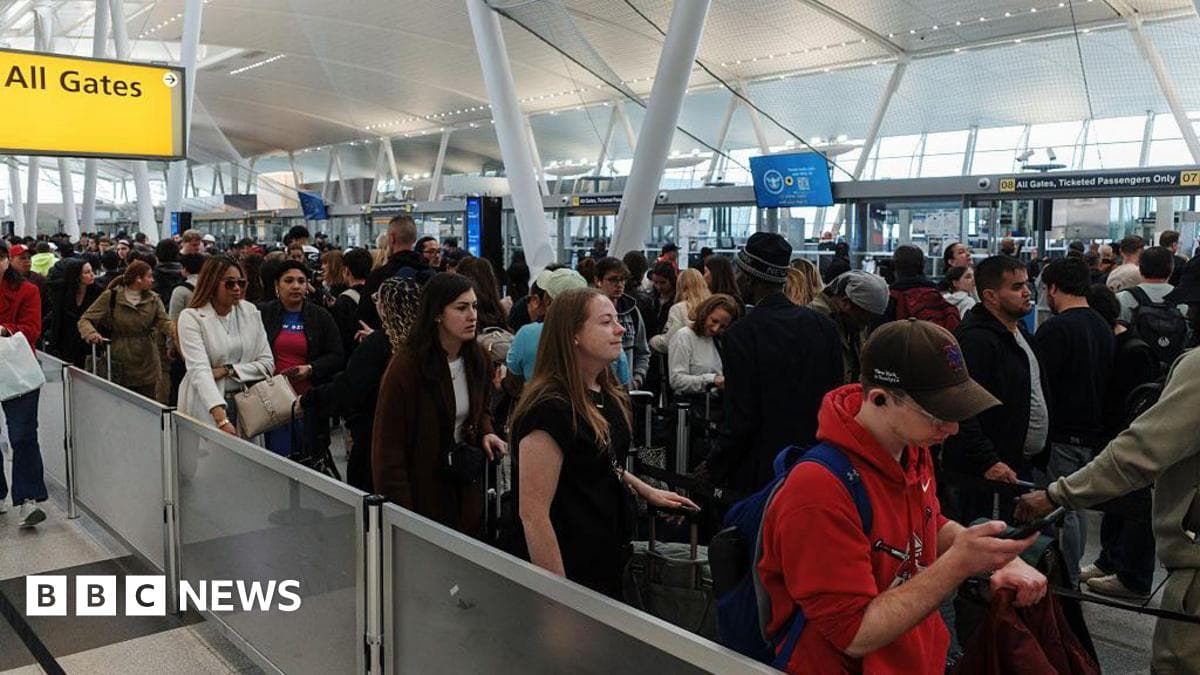
Major airports have reported hours-long security lines, with Atlanta's Hartsfield-Jackson and New York's JFK seeing queues stretch for hours, causing travelers to miss flights and airports to advise passengers to arrive three hours early.
The staffing crisis has forced some airports to collect food and gift cards for staff who can no longer make ends meet, while union officials report that many officers have taken on second jobs to survive financially.
Roles and Training Issues
Despite the deployment announcement, questions remain about the specific roles ICE agents will play at airports and their qualifications for airport security functions.
“Immigration enforcement agents will be deployed across major United States airports from Monday, President Donald Trump has announced, in an extraordinary move to ease a security crisis triggered by a prolonged political standoff in Washington”
Trump and Homan have emphasized that ICE agents will not perform specialized tasks like operating X-ray machines, focusing instead on monitoring exit lanes, checking identification, and providing general security presence to free up TSA officers for screening duties.
However, Transportation Secretary Sean Duffy suggested a broader role in an ABC interview, claiming that 'They know how to run the X-ray machines because they are again under Homeland Security with TSA.'
This contradiction highlights concerns about the plan's feasibility and training requirements, particularly given that TSA officers receive 4-6 months of specialized training that ICE agents do not have.
Political Reactions
The proposed ICE deployment has sparked immediate controversy and strong criticism from Democrats, unions, and civil liberties organizations.
House Minority Leader Hakeem Jeffries characterized the move as 'the last thing that the American people need' and warned of 'untrained ICE agents' being deployed in 'highly sensitive situations at airports across the country.'
The American Federation of Government Employees (AFGE), which represents TSA workers, condemned Trump's plan, stating that 'ICE agents are not trained or certified in aviation security... [stationing them at checkpoints] does not fill a gap. It creates one.'
Civil liberties organizations indicated they would challenge the deployment in federal court, citing concerns about jurisdiction, civil liberties, and passenger rights.
Meanwhile, Senate Democratic leader Chuck Schumer described closed-door negotiations with Republicans as 'productive,' though Senate Majority Leader John Thune warned that conditions at airports would continue to deteriorate without a resolution.
Funding Standoff Context
The broader context of the airport security crisis stems from a partial government shutdown affecting the Department of Homeland Security, which has lasted over five weeks since funding lapsed on February 14th.
“Democrats have demanded reforms to ICE after federal agents killed two Minneapolis residents, Alex Pretti and Renee Good, who were protesting against the Trump administration's immigration raids in Minnesota in January”
Democrats have refused to approve DHS funding without significant reforms to ICE operations, particularly following the deaths of two U.S. citizens in Minnesota during an immigration enforcement operation in January.

Their demands include prohibitions on agents wearing masks, warrant requirements for property searches, and increased oversight.
Republicans have rejected Democratic proposals to fund TSA separately while negotiating immigration enforcement reforms, insisting on funding the entire department together.
The shutdown has left approximately 50,000 TSA employees without paychecks while ICE agents have continued receiving salaries through separate funding mechanisms established by Trump's administration.
Billionaire Elon Musk has offered to cover TSA salaries during the impasse, though this offer remains unofficial.
The Senate voted 41-49 to kill a Democratic measure that would have funded TSA operations separately, highlighting the deep partisan divide over the issue.
More on USA

Cuba Begins Restoring Power After Nationwide Grid Collapse
20 sources compared

United States Threatens Cuba; Cuban Forces on High Alert
11 sources compared

President Trump deploys ICE to airports Monday to aid TSA during DHS shutdown.
17 sources compared

Iran Vows to Close Strait of Hormuz If Trump Targets Iranian Energy Infrastructure
18 sources compared