Trump Frustrates NATO as Allies Balk at Iran Action
Key Takeaways
- Several US allies declined or hesitated to deploy ships to Hormuz.
- NATO and China have not joined Trump’s Hormuz policing push.
- Estonian defense minister Hanno Pevkur calls for unity amid US-allied divide over Hormuz.
Transatlantic Tensions
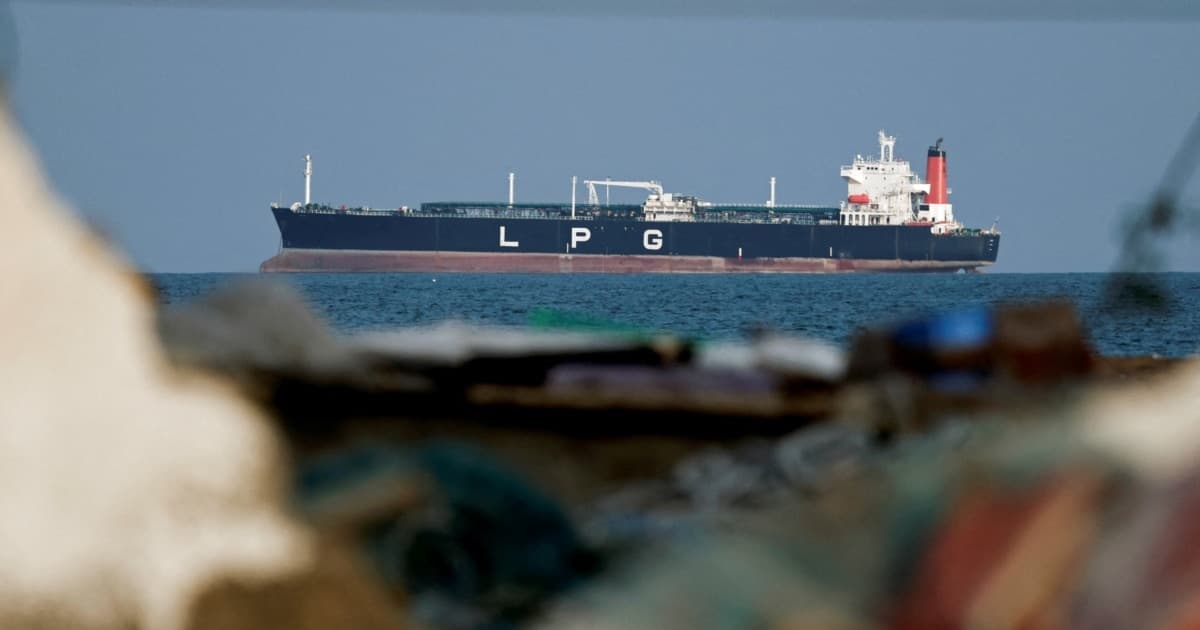
Trump is facing significant pushback from NATO allies as European governments balk at his request for military action to secure the Strait of Hormuz amid ongoing hostilities with Iran.
“If you simply assign a warship to escort tankers”
The U.S. president has sought coalition support for naval operations in the critical waterway, but European capitals have largely refused to participate while active combat continues, creating a transatlantic rift over Iran strategy.
This divide reflects deeper tensions about the scope of NATO involvement in Middle Eastern conflicts and Washington's unilateral approach to security threats that impact global energy markets and trade routes essential to European economies.
European Reluctance
European governments have articulated clear positions against military involvement in the Strait of Hormuz while active hostilities persist, with Germany taking a particularly firm stance on the issue.
Berlin has explicitly stated that as long as the war continues, there will be no NATO involvement in policing the strait through military means, emphasizing that the conflict is not Europe's war and that Washington did not consult European allies before launching strikes on Iran.
Similar positions have been adopted by France, Italy, and Spain, which have ruled out sending military ships to the conflict zone under current conditions.
Security Implications
The transatlantic dispute over Iran strategy carries significant implications for NATO unity and European security priorities, with divisions potentially benefiting Russia's strategic interests in Ukraine.
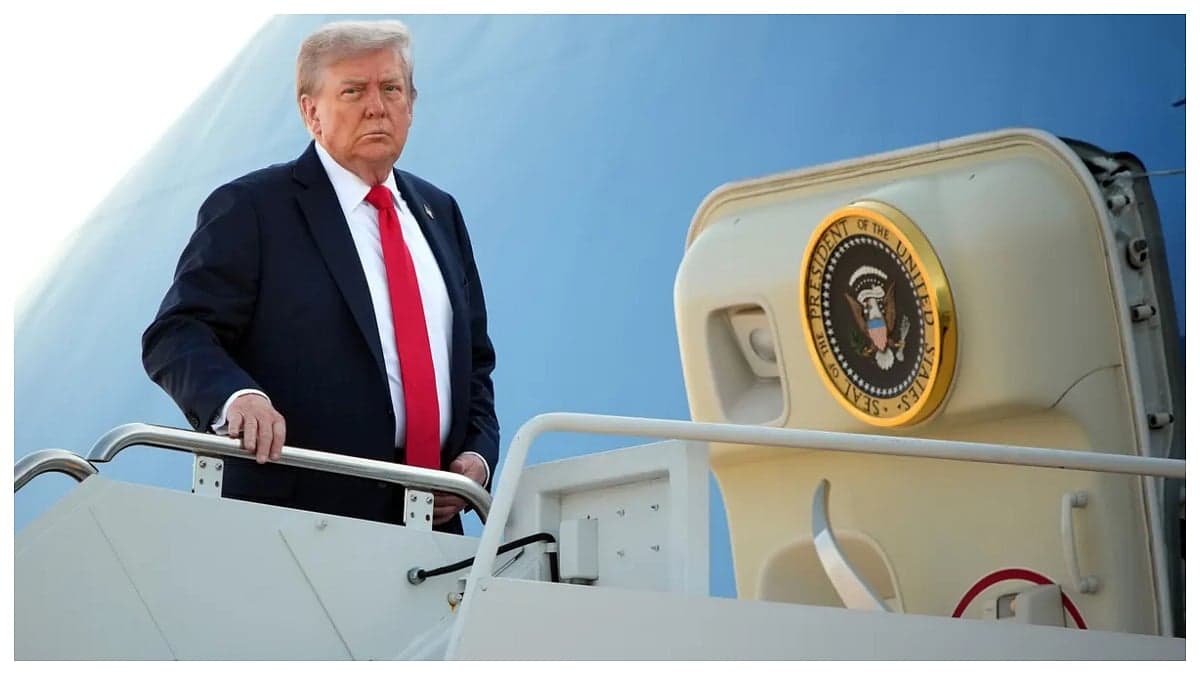
“US allies including Australia and Japan have declined while some are reviewing Donald Trump’s request to send warships to secure the Strait of Hormuz amid rising tensions with Iran US President Donald Trump speaks with reporters aboard Air Force One during a flight from West Palm Beach”
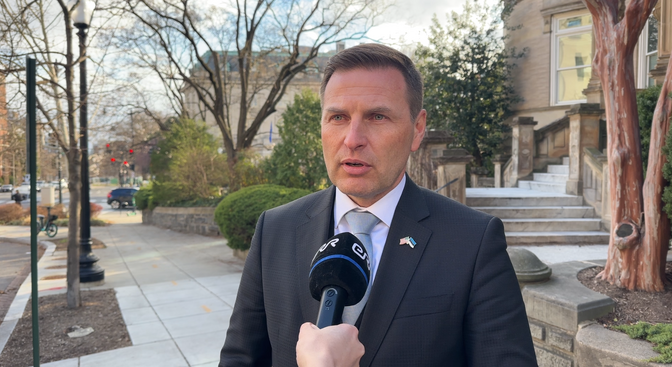
Estonian Defense Minister Hanno Pevkur has warned that cracks in Western alliance cohesion would play directly into Moscow's hands, particularly as rising energy costs from the Hormuz crisis strengthen Russia's economic position against Ukraine.
This creates a complex diplomatic challenge where European allies must balance Middle Eastern security concerns with their ongoing commitment to supporting Ukraine's defense against Russian aggression.
Global Economic Impact
Beyond the immediate security concerns, the Hormuz crisis threatens global economic stability through disruptions to international trade routes and energy supplies that impact economies worldwide.
China has acknowledged the disruption to international goods and energy trade routes in the region while calling for diplomatic solutions to deescalate tensions.

Meanwhile, Asian allies like South Korea and Japan have also expressed hesitation, with Tokyo noting legal constraints on overseas military deployments and suggesting operations in the Strait of Hormuz might not pass legal muster under Japanese law.
The economic ripple effects extend to farmers, industries, and consumers globally as rising oil and fertilizer costs threaten economic stability across multiple continents.
More on Europe

One Dead as Swiss Cable Car Gondola Crashes Down Mountain at Engelberg Resort
10 sources compared

Left Leads Paris in First Round as RN and LFI Push Across France
12 sources compared

Muslim group claims responsibility for Amsterdam Jewish school explosion, mayor calls it attack on Jews
23 sources compared

Unknown Attackers Kill French Soldier in Erbil, Macron Says
11 sources compared