
Trump Holds Situation Room Meeting To Extend Iran Ceasefire, Reopen Strait Of Hormuz
Key Takeaways
- Trump held a White House Situation Room meeting to decide on extending the Iran ceasefire.
- Deal would reopen the Strait of Hormuz to unrestricted shipping traffic in both directions.
- Iran must commit to never possessing a nuclear weapon under the proposed agreement.
Trump weighs Iran framework
President Donald Trump held a White House Situation Room meeting to make a "final determination" on an agreement to extend a ceasefire with Iran and reopen the Strait of Hormuz, while a White House official told CBS News that it was not clear whether he made a decision.
CBS News reported that Trump said the deal must ensure the Strait of Hormuz reopens and Iran’s highly enriched uranium is "DESTROYED," and it said negotiators had discussed a memorandum of understanding to extend the U.S.-Iran ceasefire by 60 days.
The BBC said Trump’s meeting was held in the Situation Room and that he set conditions that Iran agree to never have a nuclear weapon or bomb, the strait be reopened for "unrestricted shipping traffic, in both directions", and mines in the waterway are "destroyed".
The BBC also reported that U.S. officials said the two countries had agreed a framework of a deal pending approval by Trump and Iran’s leadership, and it said the deal would reportedly extend the ceasefire for 60 days and launch talks on the future of Iran’s nuclear programme.
In parallel, CNBC said Brent posted its biggest monthly loss in six years as traders counted on a U.S.-Iran deal to reopen the Strait of Hormuz, with Brent falling 1.77% to settle at $92.05 per barrel and West Texas Intermediate losing 1.73% to close at $87.36 per barrel.
Iran rejects and disputes
Iran’s negotiators and officials pushed back on the U.S. posture, with the BBC reporting that Iran’s chief negotiator Mohammad Baqer Qalibaf said it has "no trust in guarantees or words", only actions.
The BBC quoted Qalibaf saying, "No action will be taken before the other side acts," and it said the winner of any agreement is the one better prepared for war the day after.

DW reported that after the Situation Room meeting concluded, a White House official told AFP that the meeting lasted approximately two hours and that Trump would only accept a deal that "satisfies his red lines," including "Iran can never possess a nuclear weapon."
DW also said Iran’s Fars agency cited sources disputing Trump’s claims, including that no clause appears in the memorandum of understanding about opening the Strait of Hormuz without tolls and that the claim about U.S. and Iran working together to secure and destroy enriched uranium was "fundamentally baseless."
In the same reporting stream, the Washington Post said Trump signaled Friday that he was moving closer to approving a deal to extend a ceasefire in Iran by announcing a Situation Room meeting to “make a final determination,” while it remained unclear whether Iran had agreed to the stipulation about the U.S. unearthing and destroying Iran’s highly enriched uranium.
Energy stakes and next steps
CBS News said leaders of three international economic organizations warned that if oil shipping does not return to normal, there could be "increasing risks for fuel security, market conditions, and broader economic resilience" when demand picks up this summer.
It reported that the World Bank, the International Monetary Fund and the International Energy Agency issued a joint statement after meeting on Thursday and noted that for the last three months the Strait of Hormuz—carrying one-fifth of the world’s oil—had been closed to most shipping traffic.
The Los Angeles Times said Trump’s framework agreement would extend the existing ceasefire for 60 days and end the U.S. naval blockade on Iranian ports while removing Iranian mines from the Strait of Hormuz, with the strait reopening with “no tolls” for “unrestricted shipping traffic, in both directions.”
The Hill quoted former national security adviser John Bolton calling the tentative deal a “mistake” and saying, “It’s a big defeat for the United States,” while he argued the approach was driven by Trump’s concerns about high gasoline prices ahead of the midterm elections.
Meanwhile, the BBC reported that since the ceasefire came into effect on 8 April, Trump had repeatedly suggested the U.S. and Iran were close to a deal, but it said there had been no substantive results, and it added that Iran launched a ballistic missile on Thursday at Kuwait after American forces took “defensive” actions against Iranian missile launchers and mine-laying boats it had launched in the strait.
More on USA

E&P Travel Bus Fails To Slow, Strikes Six Vehicles On I-95 In Stafford County
14 sources compared

Pentagon Awards Dell Federal Systems $9.7 Billion Contract After Donald Trump Stock Purchase
12 sources compared
Trump Holds Situation Room Meeting on Iran Deal to Reopen Strait of Hormuz, Destroy Uranium
11 sources compared
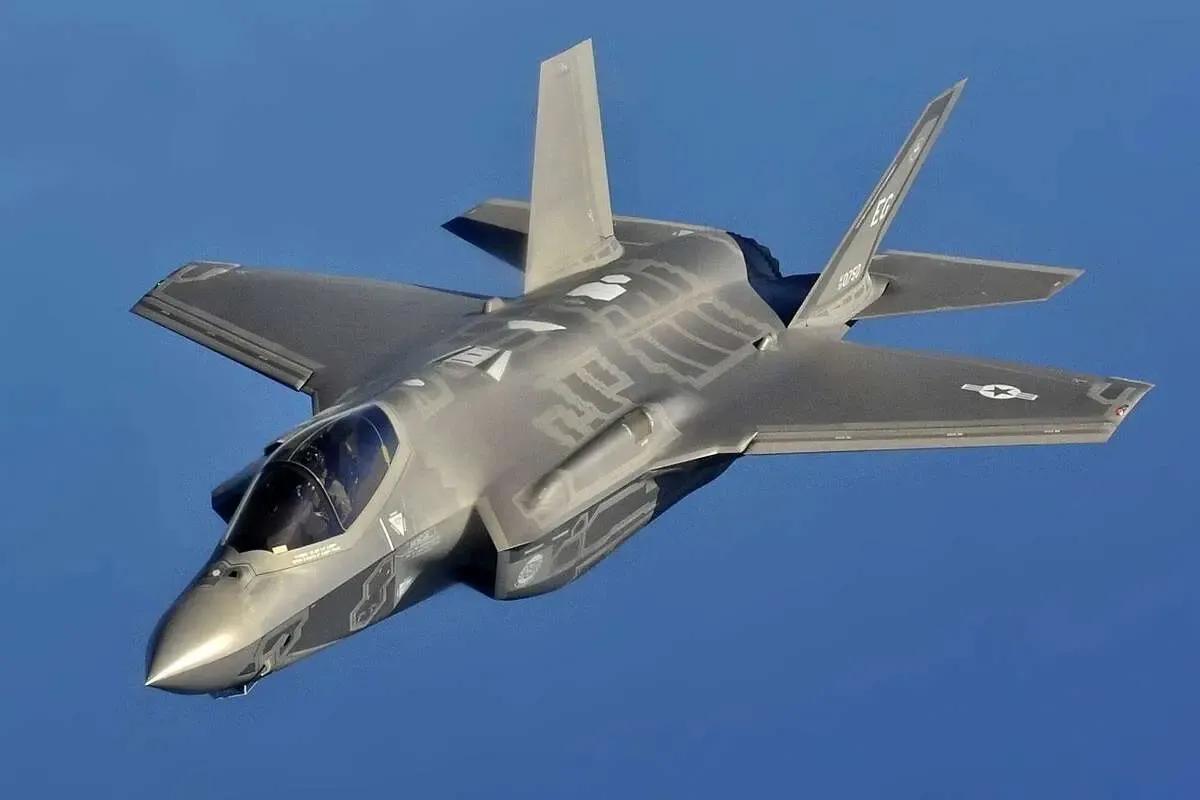
CENTCOM Denies US Aircraft Shot Down Near Iran’s Bushehr, Citing All Assets Accounted
13 sources compared