
Trump Ignores Generals' Warnings About Hormuz Trap, WSJ Reports
Key Takeaways
- Wall Street Journal says Trump's Iran war was a political gamble, not a military action.
- Joint Chiefs warned about the Hormuz trap, which Trump reportedly ignored.
- Trump reportedly knew risks of Iran closing the Strait of Hormuz before the decision.
Military Warnings Ignored
President Donald Trump's decision to wage war against Iran represented a significant political gamble that disregarded urgent military warnings about the potential closure of the Strait of Hormuz, according to Wall Street Journal reports.
“The Wall Street Journal revealed that the war waged by U”
The Chairman of the Joint Chiefs of Staff, General Dan Kin, explicitly cautioned Trump that an attack could provoke Tehran to employ mines and drones to disrupt the world's most critical shipping corridor.

Despite these clear warnings from military leadership, Trump acknowledged the risks yet proceeded with what was described as the most consequential foreign policy decision during his presidency.
The American president expressed confidence that Iran would surrender before attempting to close the strait, and assured his team that the U.S. military could handle any such contingency.
This approach reflected Trump's deep-seated belief in U.S. military supremacy, bolstered by previous successful operations against Iranian nuclear sites and the capture of Venezuelan leader Nicolas Maduro.
Iran's Hormuz Response
Two weeks after the conflict began, Iran demonstrated the strategic importance of the Strait of Hormuz by implementing the very scenario military commanders had warned about.
Iranian leaders refused to back down and utilized the strait as their most powerful leverage point, preventing tankers from crossing the waterway and launching attacks on shipping vessels.
This decisive action triggered a sharp increase in global oil prices and created an energy shock that rippled through international markets.
The American military responded by targeting Iranian mine-laying ships and industrial facilities in an effort to prevent Iran from filling the strategic waterway with explosives.
The economic consequences proved severe, with the Wall Street Journal reporting that American military operations were costing billions of dollars per week, placing significant strain on Washington's financial resources.
Economic Consequences
The broader economic implications of the Hormuz crisis extend beyond weekly military expenditures to threaten the American economy with the risk of stagflation—a dangerous combination of stagnant growth and high inflation.
“The Wall Street Journal revealed that the war waged by U”
On a larger scale, the prolonged conflict and its impact on global energy markets have created significant economic uncertainty.
While the Trump administration had discussed options to reopen the strait, including using the U.S. Navy to escort tankers through the waterway, Pentagon officials remained deeply concerned.
They recognized that any U.S. warships conducting such escort missions would become prime targets unless American forces first destroyed Iranian ships and coastal defenses, including drones and missile systems.
This realization highlighted the complex military challenges that had been inadequately addressed in the initial planning phases.
Planning Failures Criticized
Critics of Trump's decision-making process have strongly condemned what they describe as a lack of adequate planning and deliberation in the weeks leading up to the conflict with Iran.
Typically, military operations involve extensive weeks or months of secret deliberations and contingency planning, but the decision to wage war against Iran was reportedly made by a small, select group that included J.D. and others.
This abbreviated decision-making process stands in stark contrast to standard military protocol.
Senator Chris Murphy voiced particular criticism, stating that the administration failed to have a pre-existing plan to address the crisis at the strait, and expressed shock that even a week into the conflict, no comprehensive plan had been developed.
These concerns suggest that the Hormuz situation may have been approached with insufficient regard for the complex geopolitical and military realities of the region.
More on Iran
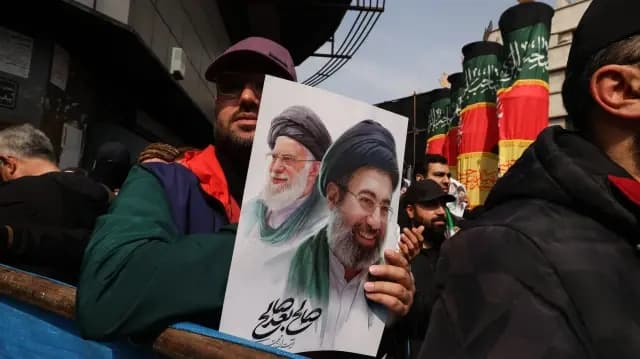
Russia Secretly Airlifts Iran's Supreme Leader Mojtaba Khamenei to Moscow for Surgery
11 sources compared
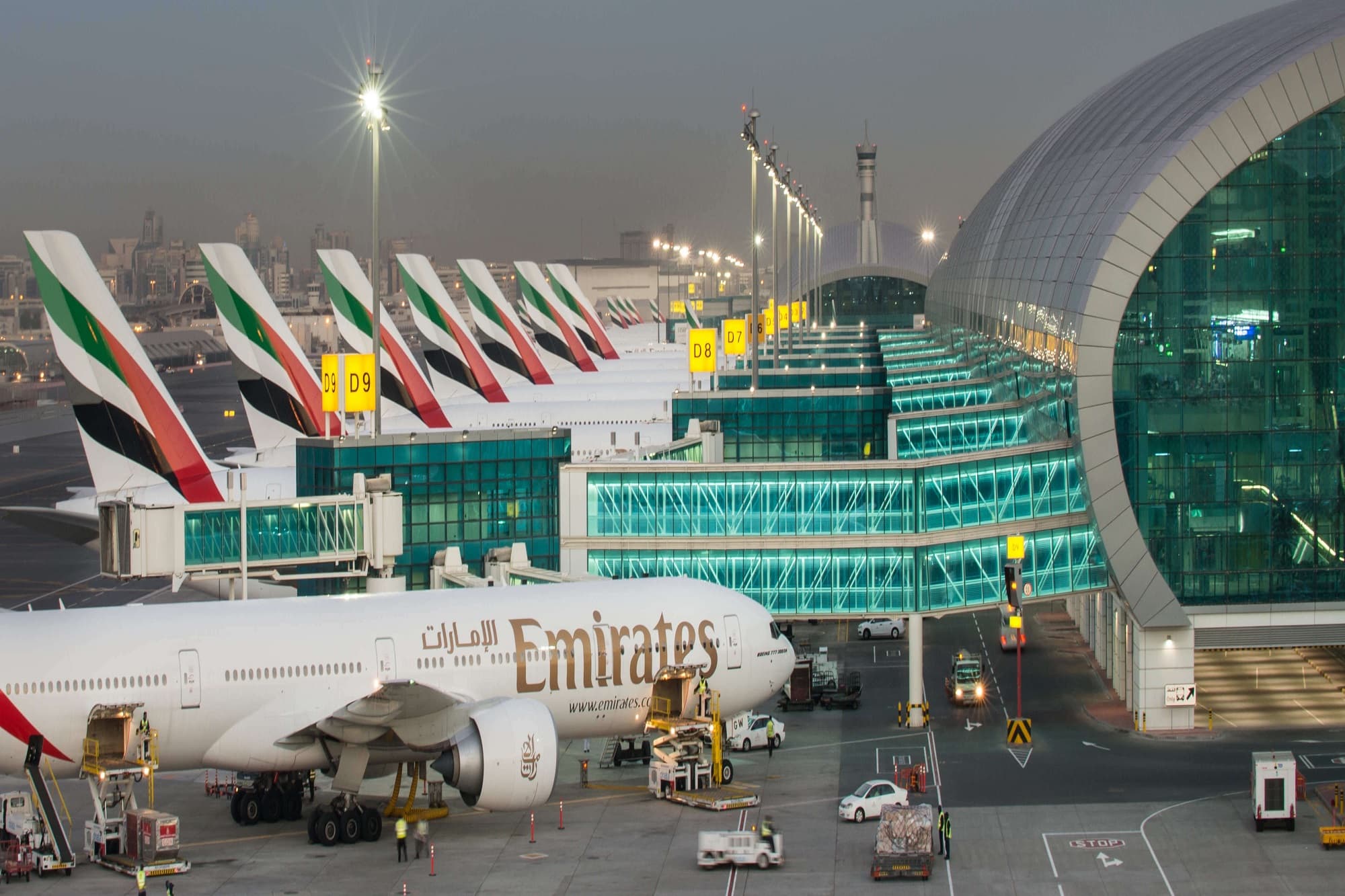
Iranian Drone Strike Shuts Dubai International Airport, Thousands Stranded
25 sources compared

Iran Drone Strike Shuts Dubai International Airport, Triggers Global Travel Disruption
16 sources compared

Iran's New Supreme Leader Mojtaba Khamenei Travels to Moscow for Leg Surgery
15 sources compared