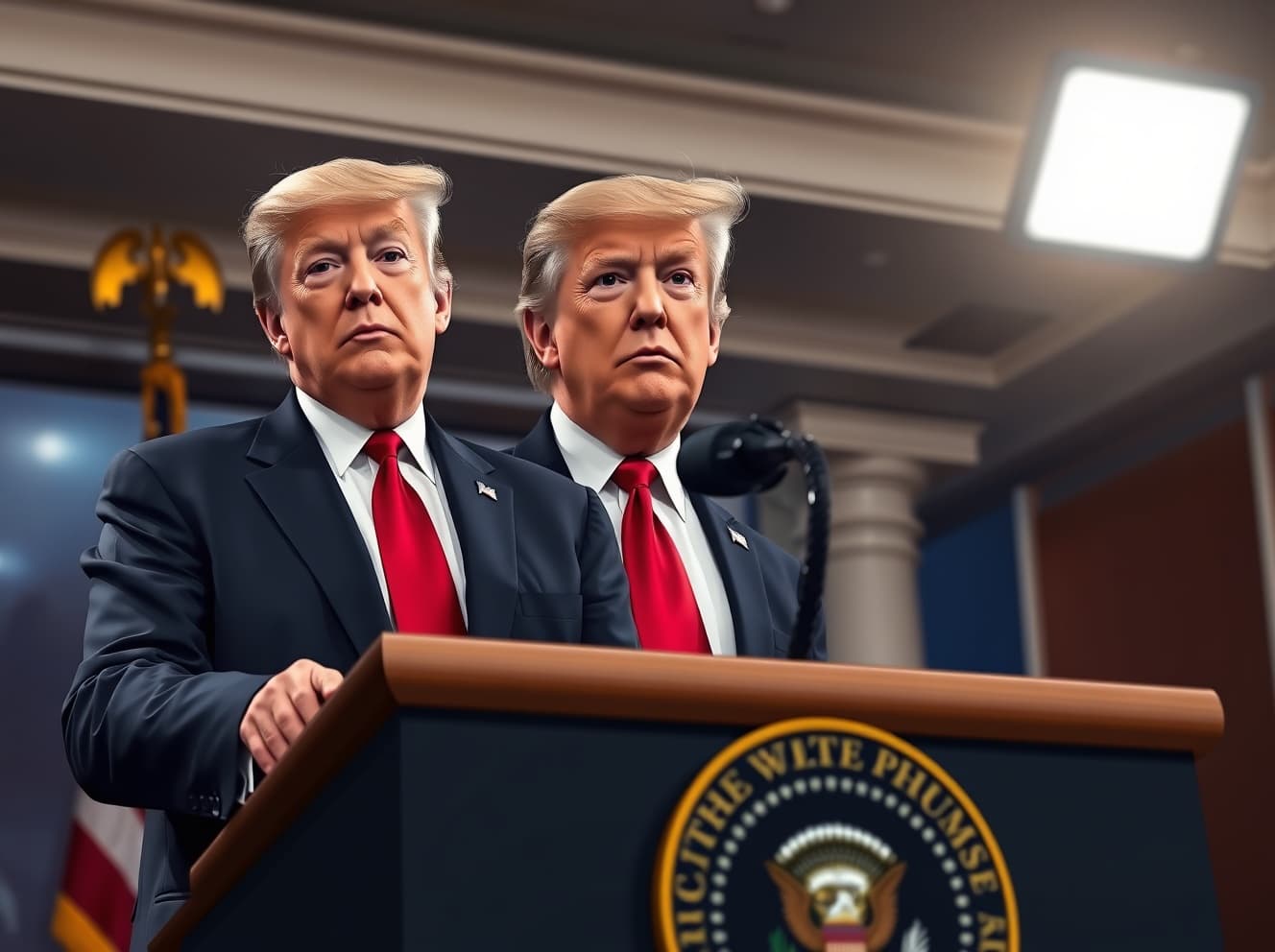
Trump Iran War Resolution: President Claims He Can End Conflict Anytime, Expects Swift Conclusion
Key Takeaways
- President Donald Trump said he has authority to end the conflict with Iran immediately.
- Trump expressed confidence the military engagement with Iran will conclude shortly.
- Declaration was initially reported by Axios amid heightened regional tensions and diplomatic maneuvering.
Trump's Claim
President Donald Trump asserted on Tuesday that he possesses the authority to terminate the ongoing conflict with Iran at any moment and expressed confidence the engagement would conclude shortly, a declaration initially reported by Axios.
He made the remarks during a private meeting with advisors, according to sources familiar with the discussion, saying, "The war with Iran would end soon," and adding that "he could end it whenever he chooses."
Analysts are scrutinizing the statement’s implications for Middle Eastern stability and global energy markets as it follows months of escalating rhetoric and military posturing.
Geopolitical Background
The article places Trump’s comments in a context of long-standing U.S.-Iran tensions, noting the 2018 U.S. withdrawal from the Joint Comprehensive Plan of Action (JCPOA) and subsequent escalations that included tanker attacks, drone shootdowns, and the January 2020 assassination of Iranian General Qasem Soleimani.
It says Trump’s remarks therefore represent a notable development in a prolonged geopolitical standoff between Washington and Tehran.
The piece underscores that Iran’s regional influence through proxy groups in Lebanon, Syria, Yemen, and Iraq complicates conflict resolution and shapes allied concerns.
Military and Economic Effects
The article outlines military and economic factors that could shape the conflict’s trajectory, noting that sustained engagement carries significant risks, that sanctions have substantially impacted Iran’s economy, and that domestic political considerations in both nations constrain leaders.
It lists key regional impacts the coverage highlights: oil market volatility affecting global energy prices, shipping security concerns in the Strait of Hormuz, humanitarian consequences for civilian populations, arms race dynamics among neighboring states, and refugee movement patterns and regional displacement.
The piece also notes that international diplomatic channels continue to operate behind the scenes despite public confrontations.
Authority and Reactions
Trump’s claim that he can end the war "whenever he chooses" raises constitutional and legal questions about executive authority, the article says, noting the Constitution grants Congress the power to declare war and mentioning the 1973 War Powers Resolution’s procedures for presidential military actions.
It cites historical precedents described in the piece—President Nixon negotiating Vietnam conclusions and President Obama announcing withdrawals from Iraq and Afghanistan—to contrast approaches, and reports national security experts offer mixed interpretations: some call the statement strategic messaging, others see it reflecting military assessments.
European allies are said to prefer diplomatic solutions like the JCPOA framework, regional partners express security concerns, and diplomatic backchannels reportedly remain active even as public declarations continue.
More on Iran
Trump Says U.S. Bombed Military Sites on Kharg Island, Iran's Oil Hub
14 sources compared
FBI Warns of Iranian Drone Plot Based on Unverified Tip; California Says No Credible Threat
10 sources compared

White House Demands ABC Retract Report Claiming Iran Sought To Launch Drone Attacks On California
11 sources compared

Iranian Proxy Claims It Shot Down US Refueling Plane in Iraq; US Military Says Otherwise
17 sources compared