
Trump Opens Broad Trade Investigation Targeting China, Mexico and EU; Beijing Calls It Political Manipulation
Key Takeaways
- U.S. opened a Section 301 investigation targeting 16 major trading partners and the EU
- Investigation targets excess industrial capacity and imports linked to forced labor
- Investigation could pave way for new tariffs replacing measures struck down by the Supreme Court
Scope and purpose
The U.S. Trade Representative on March 11 announced a broad Section 301 investigation targeting 16 major trading partners — including China, Mexico and the European Union — focused on what the administration calls “excess capacity and production in manufacturing sectors.”
“"We need to protect American jobs, and we need to make sure we have fair trade with our trading partners," he added”
The probes open the formal process that could lead to new tariffs or other trade penalties against economies that Washington says show persistent surpluses or underused production.

The announcement was framed as the next phase of President Donald Trump’s trade agenda following recent court setbacks to earlier tariff measures.
Legal context
The investigations come after the Supreme Court struck down country-wide tariffs, prompting the administration to pursue other authorities and temporary duties.
After the court ruling, the White House imposed a temporary 10% levy while the USTR moves to rebuild tariff leverage through sectoral and country-specific probes; officials say the new inquiries aim to reach conclusions swiftly so remedial measures can be implemented before the temporary duties expire.

The move is presented by USTR officials as restoring negotiating leverage that was weakened by the court decision.
Why overcapacity
USTR Jamieson Greer and administration officials described the overcapacity probe as aimed at economies that show structural excess production disconnected from market demand, pointing to indicators such as large current-account surpluses, government subsidies, state-owned enterprise activity, suppressed wages and other noncommercial behaviour.
“Cancel anytime during your trial”
USTR officials said evidence will be considered country-by-country and that sectors and causes may differ across the 16 named partners.
Forced labour probe
Separately, the administration said it will open a second Section 301 inquiry aimed at banning U.S. imports made with forced labour; publications variously describe the scope as “over 60” countries, “roughly 60” partners, or as many as 66 countries, a discrepancy the press coverage notes.
USTR sources announced timelines for public engagement — with comment windows and a public hearing scheduled in early May — as Washington seeks to build legal remedies around both overcapacity and forced-labour concerns.
Reaction and diplomacy
The announcement has already drawn diplomatic pushback, most prominently from Beijing, which framed the U.S. action as politically motivated.
“tariffs and renewed trade tensions globally”
China’s Foreign Ministry called the U.S. probe a “pretext for political manipulation,” while U.S. officials defended the steps as necessary tools to protect American industry and jobs and to press trading partners on issues ranging from digital barriers to labour enforcement.
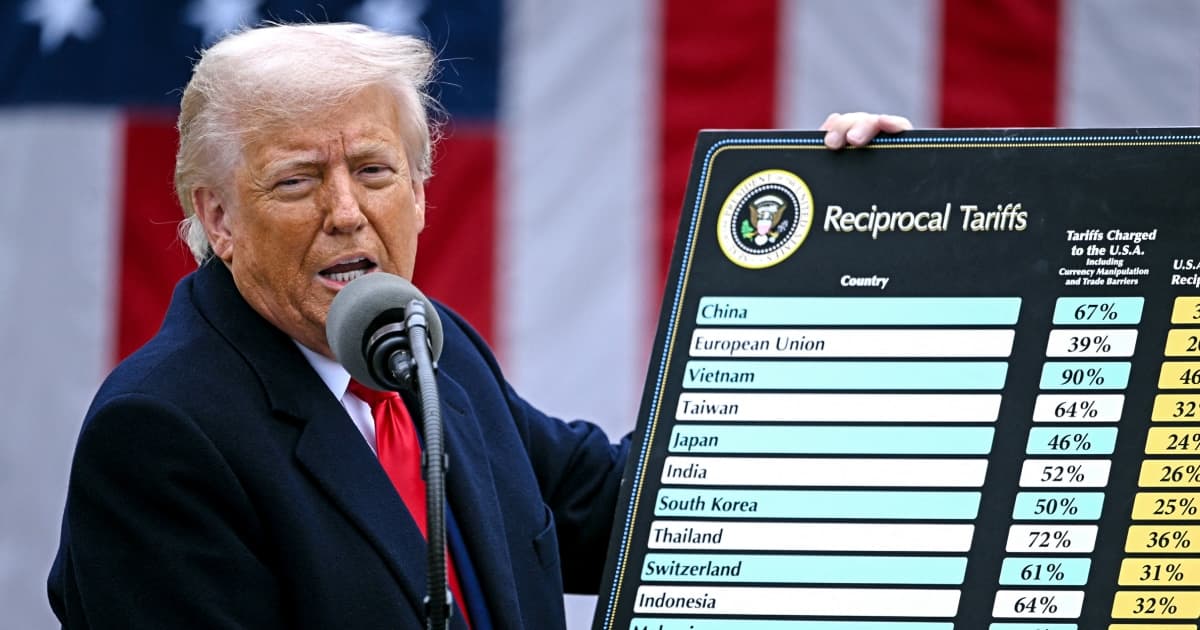
Officials also say the probes will play into upcoming diplomatic engagements, as U.S. cabinet-level officials prepare to meet Chinese counterparts in Paris ahead of a planned Trump–Xi meeting in Beijing.
More on China

Apple Cuts China App Store Commissions to 25% After Regulator Pressure
25 sources compared
President Xi Jinping Rubber-Stamps $30 Trillion Five-Year Plan To Weaponize PLA And Boost Growth
12 sources compared
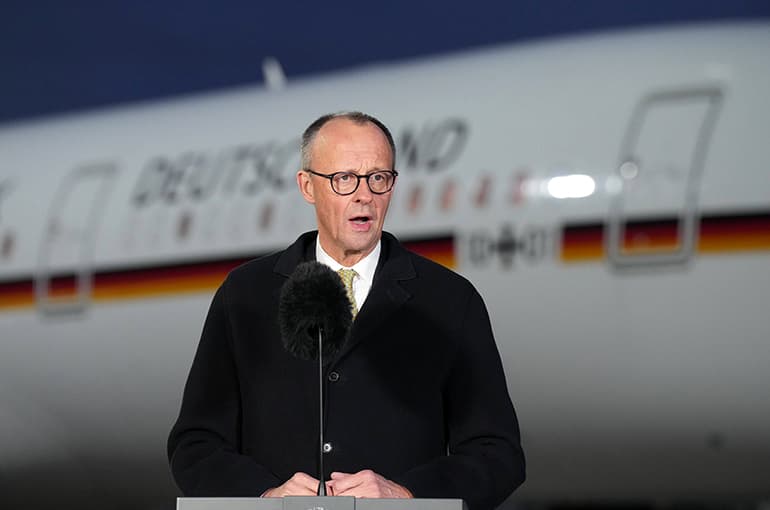
German Chancellor Friedrich Merz Presses President Xi Jinping to Reduce Market Distortions, Urges Chinese Investment
13 sources compared
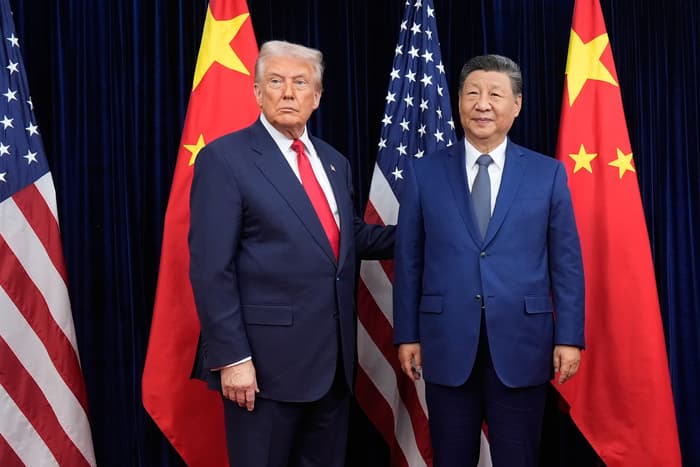
White House Confirms President Donald Trump Will Visit China March 31–April 2 To Meet Xi Jinping
17 sources compared