
Donald Trump Says U.S. Naval Blockade of Iranian Ports Could Last Months
Key Takeaways
- Trump claimed the naval blockade of Iranian ports could last for months.
- The US seeks international support to reopen the Strait of Hormuz.
- Iran warned the blockade would fail and disruptions would mount.
Blockade, oil, and pressure
The Iran crisis described across outlets centers on a U.S. naval blockade of Iranian ports and the resulting disruption to shipping through the Strait of Hormuz, with President Donald Trump saying the blockade could last for months.
“United States President Donald Trump says Washington’s blockade of Iranian ports has been a success, urging Tehran to “just give up” as pressure mounts in a deepening standoff over the Strait of Hormuz”
In the Sunday Guardian, Trump urged Iran to “just give up” as Washington said its blockade of Iranian ports has been effective, while Iranian Parliament Speaker Mohammad Bagher Ghalibaf rejected the pressure campaign as “junk advice.”
France 24 reported that Trump said a U.S. naval blockade on Iran could last for months as the standoff between Washington and Tehran continues, and that the crisis has disrupted oil flows through the Strait of Hormuz, sending prices to multi-year highs.
NBC News reported that the standoff, including the continued U.S. naval blockade, means the key trade route has been effectively blocked for two months, and that Trump weighed military options for the Strait of Hormuz as peace talks remained at an impasse.
CBS News said the USS Gerald R. Ford and its accompanying strike group were expected to leave the Middle East in the coming days, and it tied the conflict’s estimated cost to $25 billion.
Multiple outlets also linked the blockade to energy price spikes, with the Sunday Guardian saying Brent crude rose above $126 per barrel on Thursday morning after touching a new wartime high, and NBC News reporting Brent crude surged to $115 a barrel early Wednesday.
In parallel, Iran’s response included calls for citizens to reduce fuel consumption amid supply concerns, as the Sunday Guardian reported, and Iran’s rejection of the blockade as doomed to fail in AFP reporting carried by Mont Carlo International.
Talks stall, options expand
As negotiations between Washington and Tehran stalled, outlets described a widening set of options being weighed by the Trump administration, including continued blockade and potential military escalation.
The Sunday Guardian said efforts to restart peace talks between the US and Iran have made little progress, with discussions shifting from in-person meetings in Pakistan to phone conversations, while Trump claimed talks have “come a long way” and also warned Iran to “get smart soon.”

NBC News reported that members of Trump’s national security team presented him with multiple options for how to handle the bottleneck in the strait after negotiations failed to reopen the critical waterway, and that the options discussed during Monday’s meeting in the Situation Room included whether the U.S. military presence in the strait should change.
NBC News also said Trump and other top administration officials met with a group of energy industry executives Tuesday, hosted by Treasury Secretary Scott Bessent, to discuss next steps in continuing the blockade of Iran’s ports “for months if needed” and how to minimize impacts on American consumers.
The Times of India described Trump sharing a modified map renaming the Strait of Hormuz as the “Strait of Trump,” and it said the blockade was enforced since mid-April and targets vessels entering or leaving Iranian ports while contributing to a surge in global oil prices.
Euronews, citing a U.S. State Department cable seen by Reuters, said Washington moved to restart navigation in the Strait of Hormuz and sought to marshal international support for a coalition, while noting that France and Britain conditioned participation on the strait being opened after combat operations cease.
CNN provided a separate operational picture, saying shipping traffic through the Strait of Hormuz shrank to a trickle, with “just 154 vessels recorded crossing in the entire month of March,” and it described the disruption as “rapid and unprecedented.”
Statements and counterstatements
The reporting also highlights sharp, public exchanges between U.S. and Iranian figures, with Trump’s warnings and Iran’s threats framed as part of a contest over the strait and nuclear demands.
NBC News quoted Trump’s Truth Social post saying, “Iran can’t get their act together. They don’t know how to sign a nonnuclear deal. They better get smart soon!” and it described the accompanying message “NO MORE MR. NICE GUY!”
The Sunday Guardian reported that Trump urged Iran to “just give up” and that Iranian Parliament Speaker Mohammad Bagher Ghalibaf called the pressure campaign “junk advice.”
Euronews carried Iran’s position through statements attributed to Iranian President Masoud Bezhkian, saying the U.S. naval blockade “will fail to achieve its objectives” and that “any attempt to impose a naval blockade or similar restrictions would be in contravention of international law and would be doomed to fail.”
Mont Carlo International reported that Iran’s military adviser Mojtaba Khamenei reiterated that Iran will not tolerate a naval blockade and warned that if it continues Iran will respond, adding that he warned of a new round of fighting and said it could see American ships sunk and soldiers killed.
The Independent described a statement attributed to Mojtaba Khamenei that said “foreigners who commit evil” have no place but in the “depths of water,” and it said Tehran would secure the Gulf region and eliminate “the enemy’s abuses of the waterway.”
In parallel, the Sunday Guardian said Iranian military officials added that their limited response so far is “intended to give diplomacy a chance,” while NBC News quoted White House spokesperson Anna Kelly saying, “The president will only enter into an agreement that puts U.S. national security first, and he has been clear that Iran can never possess a nuclear weapon.”
Costs, carriers, and markets
Alongside the diplomatic and military framing, outlets quantified the conflict’s economic and defense costs and tracked how the blockade affected markets and shipping.
The Sunday Guardian said the ongoing conflict has already cost the US about $25 billion, mainly on military supplies, and it added that the figure could rise significantly if the war continues, while the Trump administration sought around $1.5 trillion for defence spending.

CBS News similarly said the USS Gerald R. Ford aircraft carrier and its accompanying strike group were expected to leave the Middle East in the coming days, and it referenced the conflict’s estimated cost at $25 billion.
Mont Carlo International reported that the war in Iran has cost about $25 billion so far and said Defense Secretary Pete Hegseth faced criticism at his first congressional hearing since the war began.
NBC News described energy impacts in the U.S., saying gas price averages reached $4.23 a gallon, the highest level in nearly four years, while Brent crude surged to $115 a barrel early Wednesday.
The Sunday Guardian reported Brent crude rising above $126 per barrel on Thursday morning after touching a new wartime high, and it said Iran’s oil minister asked citizens to reduce fuel consumption amid supply concerns.
CNN added a shipping-market dimension by reporting that before the attacks in late February about 3,000 vessels typically passed through the Strait of Hormuz each month, but since the war began traffic has been reduced to a trickle, with “just 154 vessels recorded crossing in the entire month of March.”
Shipping reroutes and risks
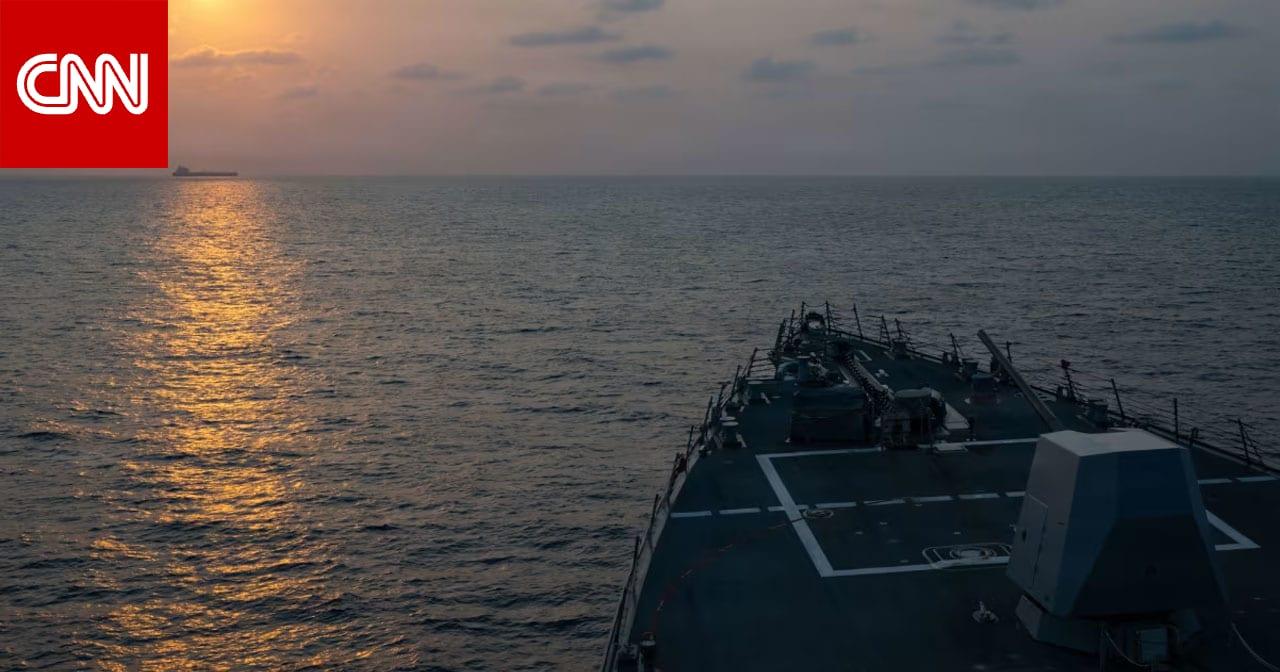
CNN and other outlets described how the blockade and the standoff reshaped maritime behavior, including rerouting and “dark” shipping, while U.S. forces continued to enforce the counter-blockade.
“Analysis: What are the chances of failure of the American blockade on Iran, and what is Trump betting on with his strategy”
CNN said the strait is about 24 miles across at its narrowest point, creating a chokepoint that Iran has been able to exploit, and it reported that following a ceasefire agreed on April 8, Iranian Foreign Minister Abbas Araghchi initially said safe passage would be possible via coordination, but the next day Iran’s IRGC claimed traffic had been halted again after what it said was an Israeli ceasefire violation in Lebanon.
CNN reported that the IRGC published a map showing “alternative routes for transit” through the Strait of Hormuz that channel traffic through Iran’s territorial waters and past Larak Island, enabling checks by the Iranian navy and port authorities.
It also said the Revolutionary Guard marked a “danger zone” in the part of the strait that was previously the main IMO shipping corridor, and that “The official IMO lane has been almost entirely abandoned. Instead, most vessels are now using a route along the Iranian coastline.”
CNN added that a significant share of traffic remains “dark,” meaning vessels are operating outside any verifiable corridor, and it said Iran’s state media reported plans to continue charging transit fees to some ships seeking to pass.
On the enforcement side, CNN reported that as a response to Iran’s actions, the U.S. on April 13 announced a blockade on ships entering or exiting Iranian ports and coastal areas, and it said U.S. forces have directed at least 38 vessels to turn around or return to an Iranian port since that blockade began, according to U.S. Central Command.
NBC News described a specific operational episode, saying U.S. Marines boarded another commercial vessel late Tuesday but ultimately allowed it to carry on its way, while it also said Tehran has attacked three commercial ships and seized two of them in the maritime standoff.
More on Iran

Pentagon Comptroller Jules Hurst III Says U.S. Iran War Costs $25 Billion
20 sources compared
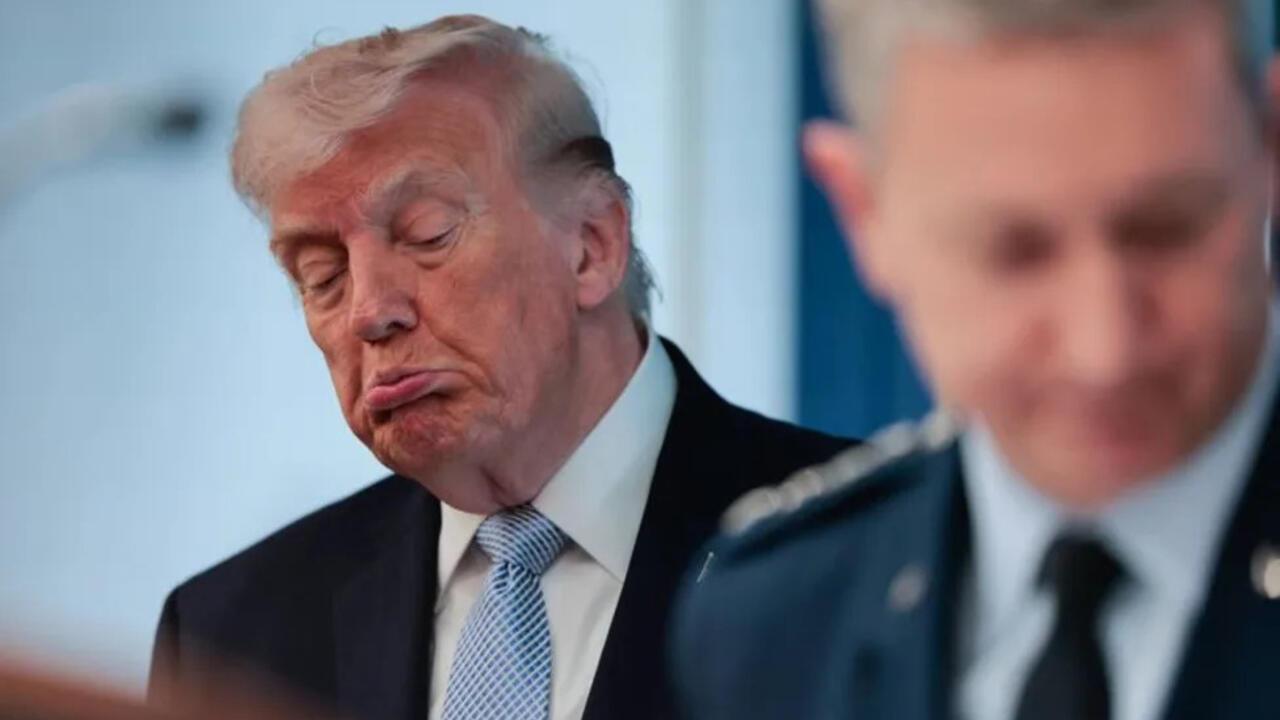
Iran Mocks Donald Trump as Oil Prices Surge Past $125 and Strait of Hormuz Stays Closed
13 sources compared

US Besieges Iranian Ports as Trump Mulls Extended Blockade, Driving Oil Prices Higher
10 sources compared

Oil Prices Surge as US Siege of Iranian Ports Threatens Strait of Hormuz Supply
11 sources compared