Trump Orders Immediate Pay For TSA Officers, Bypassing Congress
Key Takeaways
- TSA agents work without pay amid funding impasse, triggering financial hardship and food bank aid.
- Senate approves DHS funding to pay TSA while excluding ICE, moving toward ending the shutdown.
- Trump announced he would sign an executive order to immediately pay TSA agents.
Emergency pay vs. DHS split
The single most important NEW development is that President Trump moved to bypass Congress to pay TSA officers immediately via an executive action, even as a Senate package would fund most of the Department of Homeland Security without any ICE/CBP funding, signaling a temporary fix that dodges the policy fight while keeping the immigration enforcement dispute alive.
“Airport chaos grows as shutdown drags on and TSA staffing crisis worsens Lawmakers remain divided over whether to restore pay for TSA workers without addressing ICE reforms”
Several outlets confirm the core dynamic: the Senate unanimously approved a DHS funding package that excluded ICE and Border Patrol, paving the way to reopen airports, while Trump announced he would sign an order to pay TSA agents now.
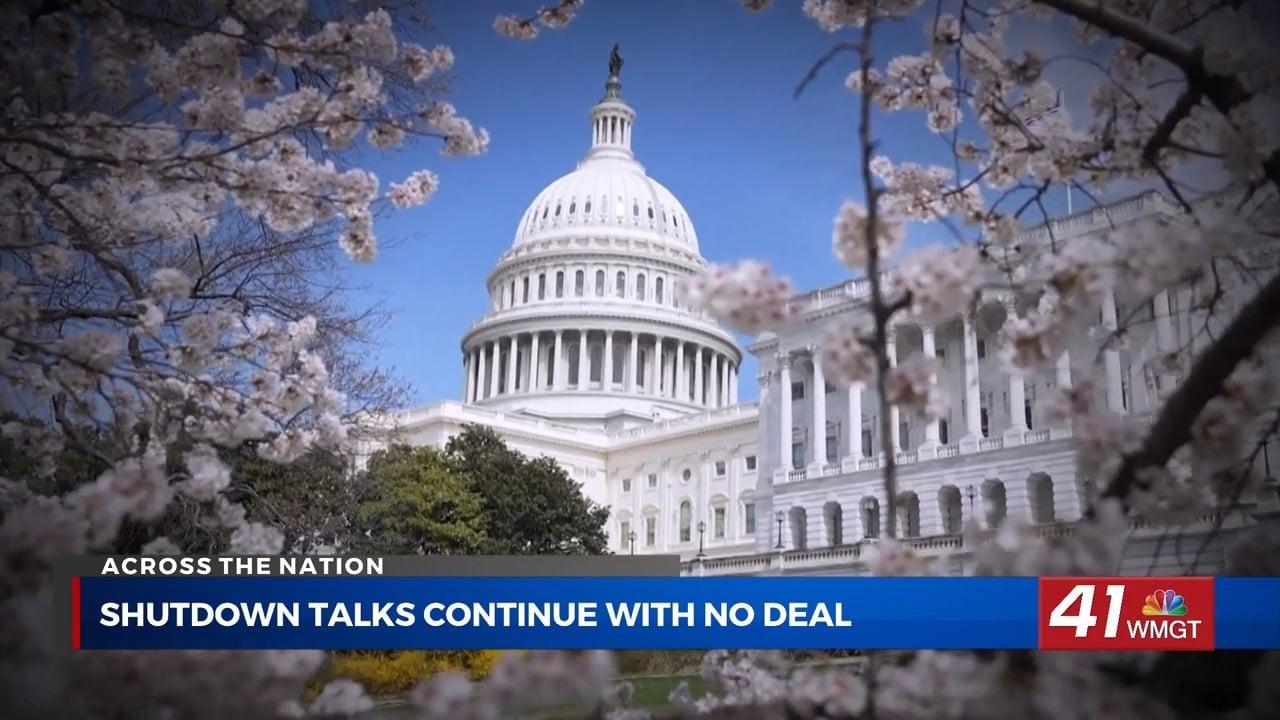
Analysts warn that this is a stopgap maneuver that does not resolve the underlying debates over ICE, CBP, and the broader immigration framework.
The combination of an emergency pay move and a partial DHS funding accord creates a short-term relief corridor but leaves the longer-term political battle intact.
TSA toll on workers
The impasse is still exacting a brutal toll on TSA workers and their families even as a temporary pay fix looms.
Nationally, TSA callouts have hit double digits—official DHS figures show more than 11% of scheduled officers were absent midweek, with some airports recording callout rates above 40%.

Roughly 500 TSA officers have quit since the shutdown began, and hundreds more have been working without pay, compounding financial distress for families.
Unions warn that morale has deteriorated and retention will remain fragile even after pay returns.
Food banks & aid response
Non-Western and humanitarian-context reporting shows communities rushing to fill the gap as families of TSA workers lean on food banks and emergency aid.
“WASHINGTON -- President Donald Trump said Thursday he would sign an emergency order instructing the Homeland Security secretary to immediately pay Transportation Security Administration agents as Congress struggles to reach a deal to end the budget impasse that has jammed airports and left workers without paychecks”
Devdiscourse notes the Senate’s DHS funding move excludes ICE and pushes relief to security staff and other agencies.
In the United States, local food banks are stepping in: in North Carolina, the Food Bank of Central and Eastern North Carolina provided emergency distributions at Raleigh-Durham; similar efforts are documented in Indiana and San Diego where nonprofits supply groceries to TSA families.
These human-side stories illustrate how the impasse reaches beyond airports into daily survival for frontline workers.
Policy split & debates
Policy dynamics remain stark: Democrats insist on guardrails for ICE/CBP before broader funding, while Republicans push to separate funding from immigration policy and pursue ICE funding later via reconciliation.
The near-term effect is DHS funding for TSA, FEMA, and Coast Guard, but the longer-term settlement on immigration enforcement remains unsettled as House action looms.

Democrats emphasize accountability and restrictions on ICE, citing the Minneapolis shootings as a catalyst for reform; Republicans argue that reforms should accompany any funding in the same package.
The overall trajectory suggests a fragile fix that could unravel again if ICE/CBP funding returns to negotiation.
Outlook & fragility
Looking ahead, observers warn that even if DHS funding passes, the transition to full normalcy for airport operations could take days or weeks as staffing stabilizes.
“After more than 40 days, the partial government shutdown affecting the Department of Homeland Security could be nearing its end”
The current fix does not guarantee long-term morale or retention if ICE/CBP reforms remain unresolved and could re-emerge as a political fault line in the House.

Smaller airports may face operational risks if callouts persist, potentially forcing rerouting or temporary closures as staffing reallocations are made.
Overall, the crisis exposes how deeply funding fights and immigration enforcement politics can affect essential services and regional economies.
More on USA
Three-Vehicle Crash Triggers Nine Air-Ambulance Requests, Seven Air Transports To Nashville And Memphis Hospitals
15 sources compared

California Governor Gavin Newsom Bans Appointees, Associates From Betting On Prediction Markets Using Confidential Information
10 sources compared

House Republicans Reject Senate-Passed DHS Funding Bill, Offer Eight-Week Stopgap
26 sources compared

Alexander Heifler Planned Molotov Cocktail Attack On Nerdeen Kiswani, Intended To Flee To Israel; Arrested
33 sources compared