
Trump Orders Naval Blockade of Strait of Hormuz, Halts One-Fifth of Global Oil Supply
Key Takeaways
- Trump orders naval blockade of Strait of Hormuz beginning Monday at 10 a.m. ET.
- CENTCOM says the blockade blocks ships entering or leaving Iranian ports starting Monday.
- Oil prices spike above $100 per barrel amid the Hormuz blockade announcement.
Hormuz Blockade Impact
President Trump ordered a naval blockade of the Strait of Hormuz on April 12, 2026.
The blockade targeted vessels of all nations entering or departing Iranian ports and coastal areas.

Tanker traffic came to a halt within hours, sending crude oil prices surging more than 8%.
The blockade effectively cut off roughly one-fifth of the world's oil supply.
The Trump administration justified the blockade as a counter-proliferation measure after negotiations collapsed.
The blockade also risked drawing China into the confrontation.
China's Energy Vulnerability
The blockade represented a de facto embargo on crude oil shipments to China.
China was consuming more than fifteen million barrels of oil per day.

Chinese Foreign Ministry spokespeople denounced the blockade as a violation of international law.
Beijing activated a decade-long strategy of resilience.
The blockade was widely compared to the 1941 U.S. oil embargo on Japan.
Economic and Diplomatic Fallout
The blockade sent shockwaves through global markets.
The IMF and World Bank signaled they would downgrade global growth forecasts.
The disruption accelerated a global clean energy transition.
Chinese exports for energy storage systems climbed 57 percent.
The crisis cast a shadow over the Beijing summit.
Trump faced domestic criticism due to rising fuel prices.
More on China
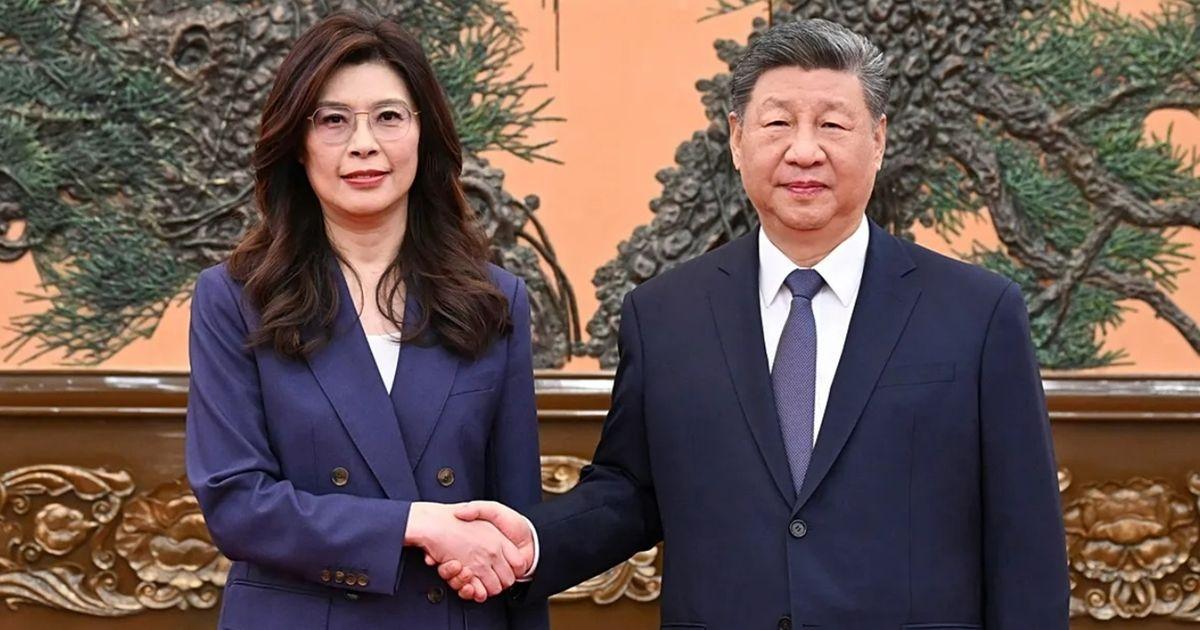
China Unveils 10-Point Plan to Boost Taiwan Ties After KMT Leader's Visit
13 sources compared

China Offers 10 Incentives to Taiwan After Kuomintang Leader's Visit
26 sources compared
China Restores Flights And Trade With Taiwan After KMT Leader's Beijing Visit
15 sources compared

Air Arabia Resumes Flights From UAE to 49 Destinations Across 17 Countries
12 sources compared