
Trump Says He Holds the Cards in Netanyahu’s Shaky Reelection Amid Lebanon Tensions
Key Takeaways
- Trump publicly asserts he holds leverage over Netanyahu’s reelection amid Lebanon tensions
- Lebanon tensions escalate, shaping regional dynamics and US-Israeli political calculations
- Iran diplomacy and Lebanon fighting intersect, complicating Netanyahu's options and Trump’s leverage
Lebanon derails Iran talks
U.S. President Donald Trump shared an article on his social media platform detailing his influence over Israeli Prime Minister Benjamin Netanyahu’s political future as tensions between the two countries intensify over Tel Aviv’s military strategy in Lebanon.
Trump said, "I’ll have to look at who’s running," in an interview highlighted in the article titled "Trump holds the cards in Netanyahu’s shaky reelection chances."

Salon reported that high-stakes U.S.–Iran negotiations aimed at advancing a broader regional agreement were abruptly postponed Friday after renewed fighting in Lebanon between Israel and Hezbollah disrupted the diplomatic process.
Iranian officials declined to proceed with scheduled talks in Switzerland, saying the escalation in Lebanon made continued negotiations untenable unless hostilities stopped, and Vice President JD Vance also postponed his trip amid the deteriorating security situation.
Salon said the 60-day diplomatic framework announced earlier this month by Trump was quickly tested by ongoing violence in Lebanon, where Israeli strikes and Hezbollah attacks continued despite parallel ceasefire efforts.
Ceasefire, threats, and leverage
El Mundo described a White House backlash over the Iran memorandum of understanding, quoting Washington hawks saying, "It smells like appeasement" and "the worst foreign policy mistake in a decade."
El Mundo also reported that Ibrahim al-Moussawi told Al-Araby TV on behalf of Hezbollah, "We will respect the ceasefire if Israel does, and we reserve the right to respond," while Hezbollah accused Israel of wanting to undermine the U.S.–Iran agreement.

El Mundo said the death of four Israeli soldiers, including an officer of the 52nd Battalion, in a Hezbollah attack in southern Lebanon late Thursday night triggered Israel’s response with waves of bombardments against targets of the pro-Iranian militia, causing at least 47 dead in Lebanon.
El Mundo reported that Effie Defrin clarified the Israeli military has "freedom of action to neutralize any threat and to respond to truce violations by Hezbollah."
Anadolu Ajansı reported that Trump told Netanyahu to "stop blowing up buildings" and, in one exchange, characterized the prime minister as "crazy" as the relationship deteriorated during the regional conflict.
What’s at stake next
El Mundo said the memorandum of understanding conditions the negotiation on the end of the Israeli offensive against Hezbollah and that its first clause establishes a ceasefire "on all fronts including Lebanon" while guaranteeing "the territorial integrity and sovereignty" of the Arab country.
“US president shares article 'Trump holds the cards in Netanyahu’s shaky reelection chances' on his social media platform Yasin Gungor 20 June 2026•Update: 20 June 2026 ISTANBUL US President Donald Trump on Saturday shared an article on his social media platform detailing his influence over Israeli Prime Minister Benjamin Netanyahu’s political future, as tensions between the two countries intensify over Tel Aviv's military strategy in Lebanon”
El Mundo reported that Netanyahu sought to avoid publicly criticizing Trump due to the agreement while clarifying that "Israel will remain in the security zone of southern Lebanon for as long as necessary to guarantee the protection of our northern communities."
Anadolu Ajansı said Trump’s move followed frequent public rebukes of Netanyahu’s conduct during the regional conflict, with Trump characterizing Tel Aviv’s military approach as "too long," specifically citing the bombardment of Beirut immediately before the signing of a peace memorandum with Iran.
Salon said enforcement of any ceasefire arrangement remained uncertain as both sides continued to accuse the other of violations, and it framed the disruption as a challenge because the U.S.–Iran track depended on de-escalation in conflicts not fully integrated into the original negotiation structure.
El Mundo added that the ceasefire announcement does not guarantee calm but could be enough to curb the deadly Friday escalation and allow the meeting between U.S. and Iranian representatives in Switzerland, reviving the 60-day deadline to reach the final agreement.
More on Gaza Genocide
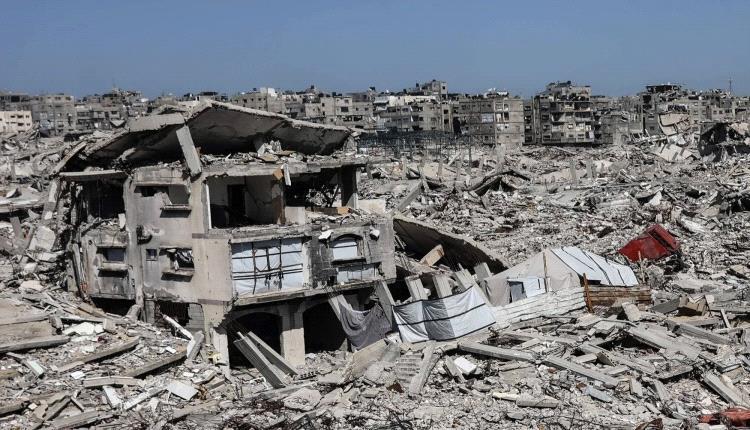
Israeli Airstrikes Kill Five in Gaza, Including a Child, as Ceasefire Erodes
17 sources compared
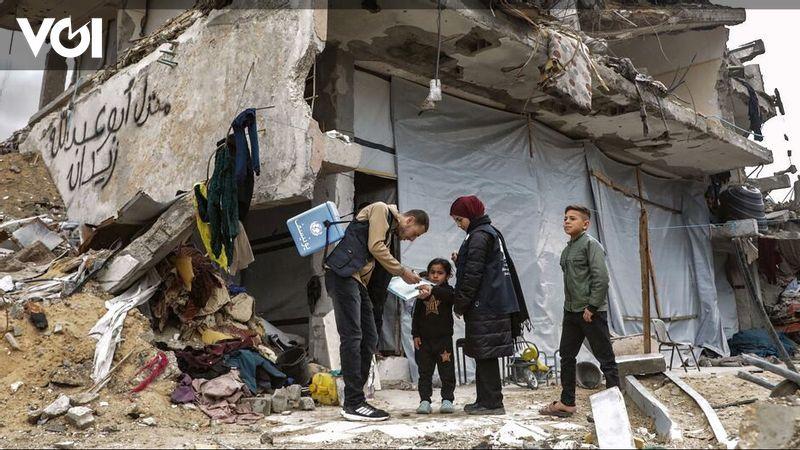
Israeli Airstrikes Kill Seven Palestinians in Gaza, Including Khalil Al-Hayya’s Son
17 sources compared
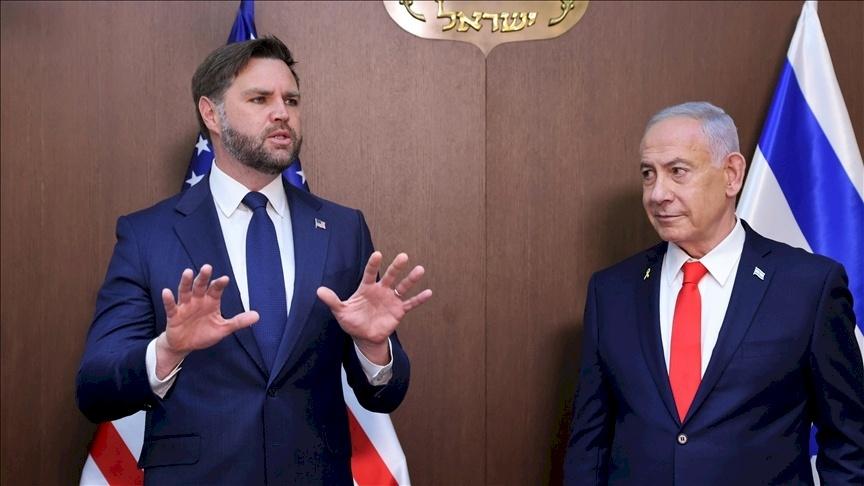
JD Vance Tells Israel to Stop Attacking Over US-Iran Memorandum of Understanding
14 sources compared
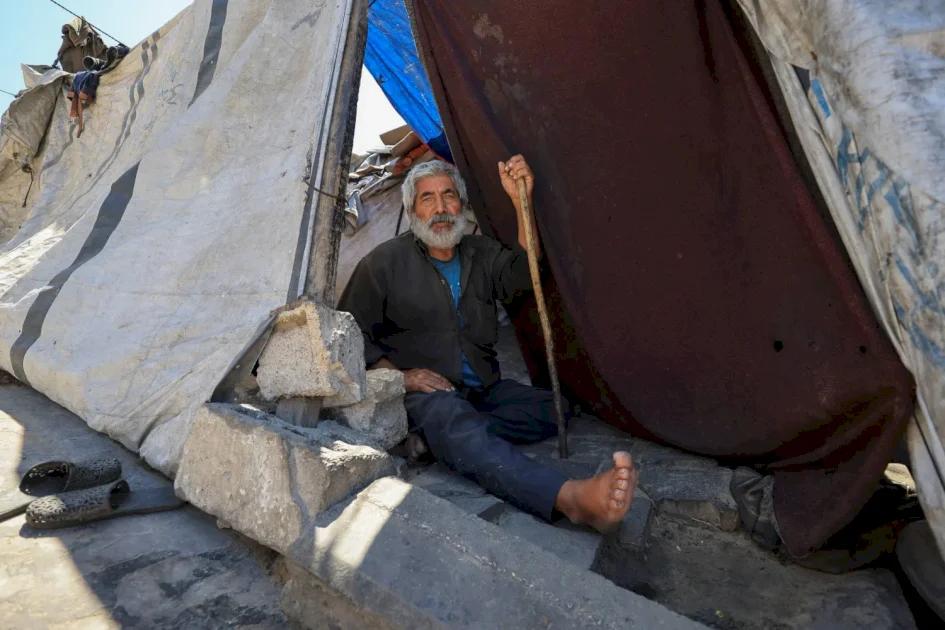
Palestine Embassy Urges India for $100 Million Medical Aid as Gaza Healthcare Collapses
27 sources compared