Full story
War, Troops, and Deadlines
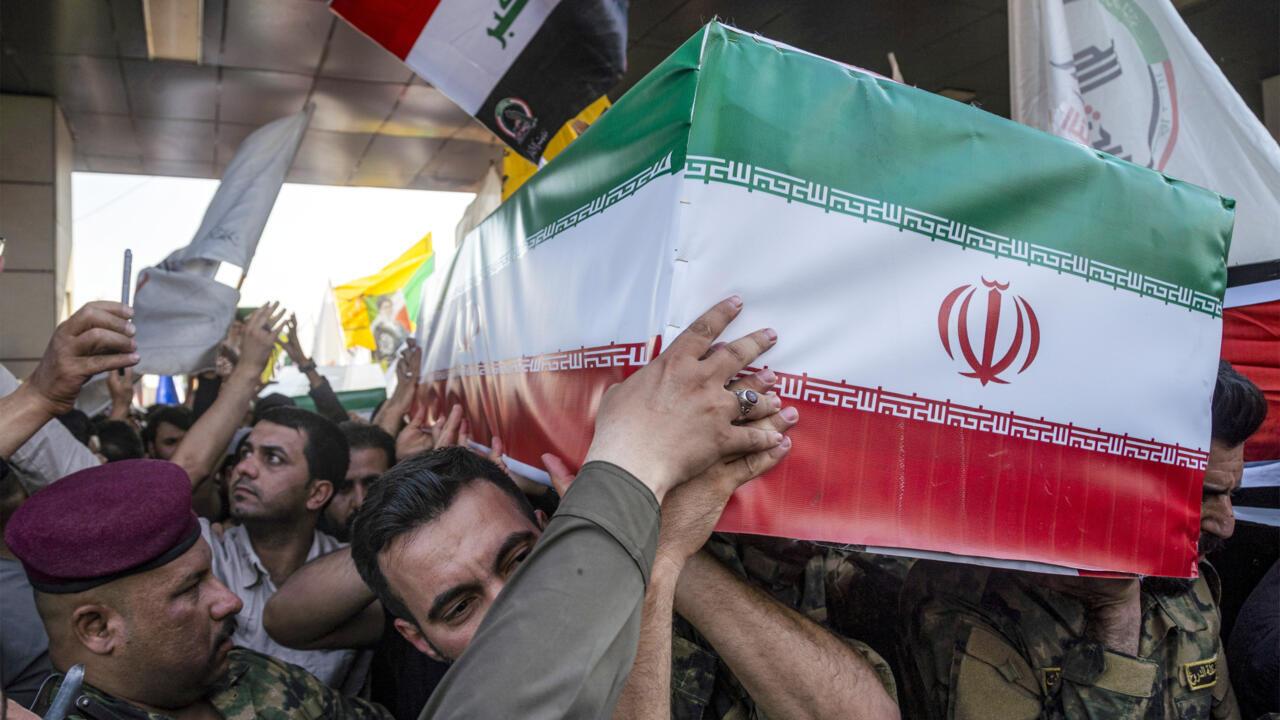
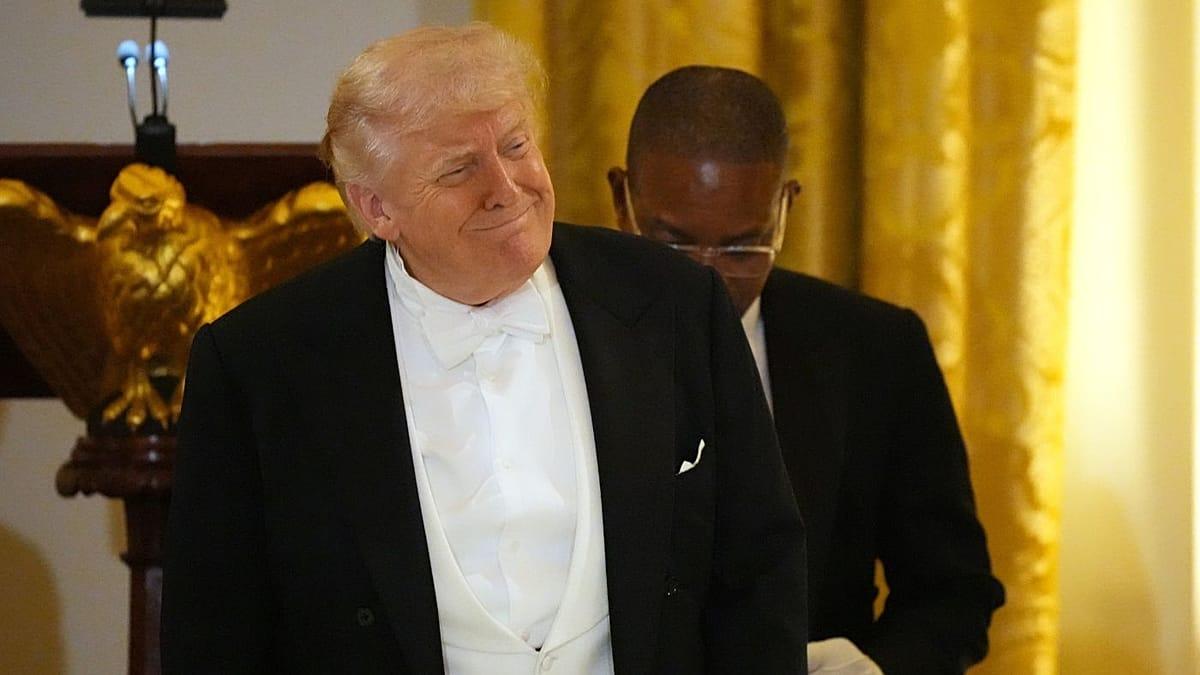
The United States’ Iran war has been defined in the sources by a shifting legal and operational timeline, with President Donald Trump repeatedly framing the conflict as paused or ended while the military posture remains in place.
“withdraw roughly 5,000 US troops over the next year”
CNN reports that Germany “anticipated” the Pentagon’s move to withdraw roughly 5,000 US troops over the next year, as the dispute over Iran war policy grows, and it places the troop-withdrawal figure alongside the broader diplomatic deadlock.

Al Jazeera says Trump described the US Navy as acting “like pirates” while seizing a ship amid the blockade of Iranian ports, and it ties the blockade to the period after US and Israel attacked Iran on February 28.
Multiple outlets anchor the legal fight in the 1973 War Powers Resolution, with PBS stating that Friday was the deadline to gain approval from Congress and that Trump’s letter asserted hostilities had “terminated” despite continued presence of U.S. armed forces.
BBC similarly reports that Trump told Congress the ceasefire meant he did not need their approval, quoting his letter: “There has been no exchange of fire between the United States Forces and Iran since April 7, 2026” and “The hostilities that began on February 28, 2026 have terminated.”
Axios adds that Trump notified Congress that the hostilities the United States initiated against Iran on Feb. 28 have been “terminated,” while also not ruling out future military action, and it notes the War Powers Act clock can be “reset” by declaring hostilities over.
In parallel, the sources describe the economic and political pressure inside the US, with The Hill citing AAA’s national average gas price on Friday of $4.39, up more than 30 cents in the last week alone, and with The Washington Post describing polling that compares disapproval to the Iraq War in 2006 and the Vietnam War in the early 1970s.
Carlson’s Iran Break
In the US political conversation around the Iran war, The New York Times frames Tucker Carlson as having broken with President Trump over the decision to attack Iran alongside Israel, and it places that break in the context of Carlson’s long-running role in Trumpworld media.
The Times says that “in February, President Trump made the call to attack Iran alongside Israel,” and it states that Carlson “is completely opposed to” that decision, later saying he regrets supporting Trump and has become a “vocal and influential critic of the administration.”
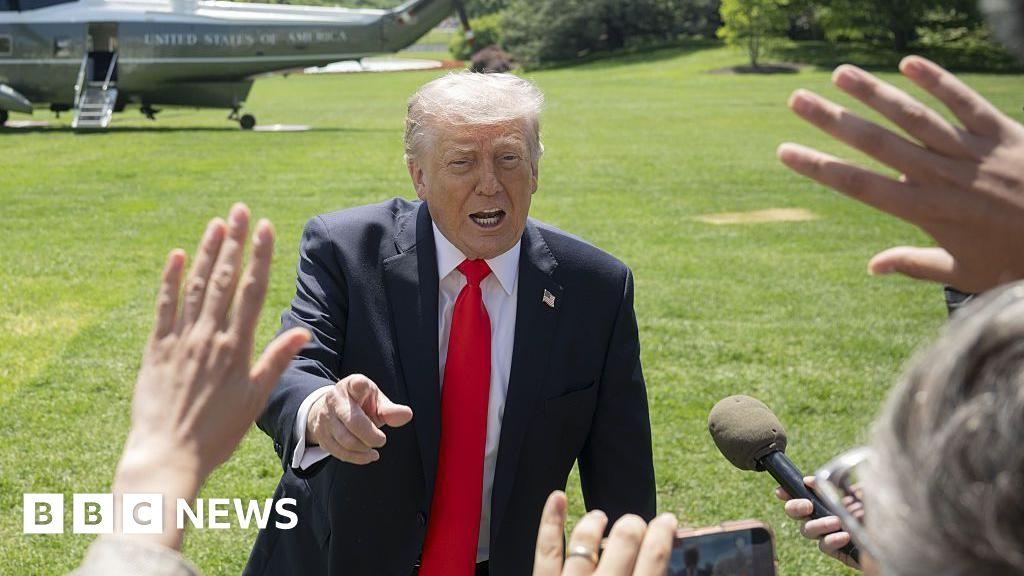
The interview describes Carlson’s account of how he had been discussing Iran with Trump for years, saying he has been “speaking to him about Iran for 10 years. Literally since 2016, maybe ’15,” and it ties his opposition to his view that regime change is a “tall order” that “doesn’t necessarily lead to a place you want to go, and it’s not good for the United States.”
The Times also says Carlson blames Israel for making Trump a “slave” by, as he characterizes it, pushing the president into war, and it notes that critics have accused him of antisemitism because of his focus on Israel and his high-profile interview of Nick Fuentes.
The Hill’s reporting on Trump’s frustration with media coverage adds a parallel domestic dynamic, describing Trump’s Thursday attacks on The New York Times as “seditious” and calling CNN “stupid” and “the enemy.”
In that same Hill account, Trump’s Oval Office complaint is quoted directly: “If you read The New York Times, you actually think they’re winning the war,” and it also quotes Trump’s phone interview response on Newsmax: “We’ve already won, but I want to win by a bigger margin.”
Taken together, the sources show a US political ecosystem where the Iran war is not only a foreign policy dispute but also a media and legitimacy fight, with Carlson’s anti-Trump conversion and Trump’s escalating media attacks occurring alongside the War Powers debate.
Blockade, Oil, and Airspace
The sources describe the US Iran war as continuing through naval and shipping pressure even while a ceasefire is said to be in effect, and they connect that pressure to global energy and transport impacts.
“20 percent of global oil and gas passes”
Al Jazeera says Iran blocked the Strait of Hormuz, a “vital waterway through which 20 percent of global oil and gas passes,” and it states that after US and Israel attacked Iran on February 28, Tehran retaliated with strikes on Israel and the Gulf states that host US bases.
It then reports that a ceasefire between the US and Iran came into effect on April 8, but “days later, Trump imposed a blockade of Iranian ports and the Strait of Hormuz on April 13,” as negotiations mediated by Pakistan continued.
CNN adds a sanctions dimension, saying the US has warned shipping companies they could face sanctions if they pay tolls to Iran to safely use the Strait of Hormuz, and it frames the economic risk as the impact of the waterway’s closure deepening.
BBC similarly reports that the US Treasury issued a notice warning that any individual or company that pays Iran a “toll” for passage through the Strait of Hormuz was at risk of violating US sanctions, and it says the key shipping channel is still effectively closed.
CNBC ties the blockade and peace diplomacy to markets, reporting that oil prices fell after Iran sent an updated peace proposal to mediators in Pakistan, and it gives specific figures: U.S. crude oil futures fell 3% to close at $101.94 per barrel and Brent lost nearly 2% to settle at $108.17.
The Guardian’s live coverage also places the conflict’s transport effects in a wider regional context, noting that the UAE’s aviation authority lifted “all precautionary measures” on air traffic after Iran attacked the country using hundreds of missiles and drones in retaliation for US and Israeli strikes in late February, and it links jet fuel prices to Spirit Airlines’ collapse in the US.
Congress, Courts, and Arguments
The sources show that the central US domestic stakes are legal: whether Trump’s administration can continue the Iran war without congressional approval by arguing that hostilities have “terminated” during a ceasefire.
BBC lays out the statutory requirement, saying the relevant US law, the 1973 War Powers Resolution, makes certain requirements of a president “within sixty calendar days” of their use of US armed forces in combat, and it quotes Trump’s position that “no other country has ever done it” and that it is “totally unconstitutional” to seek authorisation.

PBS describes the White House letter as asserting hostilities had “terminated” despite continued presence of U.S. armed forces, and it says the message “effectively skirts a May 1 legal deadline” to gain approval from members of Congress.
Axios adds that the Senate on Thursday blocked a war powers resolution aimed at forcing Trump to end—or seek authorization for—military action against Iran, with the measure failing 47–50 and two Republicans, Sens. Susan Collins (R-Maine) and Rand Paul (R-Ky.), voting with Democrats.
CNN’s live coverage connects the legal dispute to operational decisions, reporting that the war reached “60 days yesterday,” requiring congressional authorisation to continue under the War Powers resolution, disputed by the White House.
Al Jazeera provides a legal critique from Douglas Silliman, a former US ambassador to Kuwait and Iraq, quoting him: “To my reading of the law, from 60 days when a conflict involving US forces starts, a president must go to the Congress to continue.”
It also includes Silliman’s warning that “the administration is redefining the timeline of the war to say that they don’t have to do this,” underscoring the core disagreement over whether a ceasefire pauses the clock.
Oil Prices, Polling, and Next Moves
As the Iran war continues to generate economic pressure and political backlash, the sources describe both market reactions and public opinion, while also laying out potential next steps for the administration and Congress.
“Iran wants to make a deal, but I'm not satisfied with it”
CNBC reports that oil prices fell after Iran sent an updated peace proposal to mediators in Pakistan, and it quotes Trump saying, “Iran wants to make a deal, but I'm not satisfied with it,” while also stating that the proposal was delivered to the U.S.
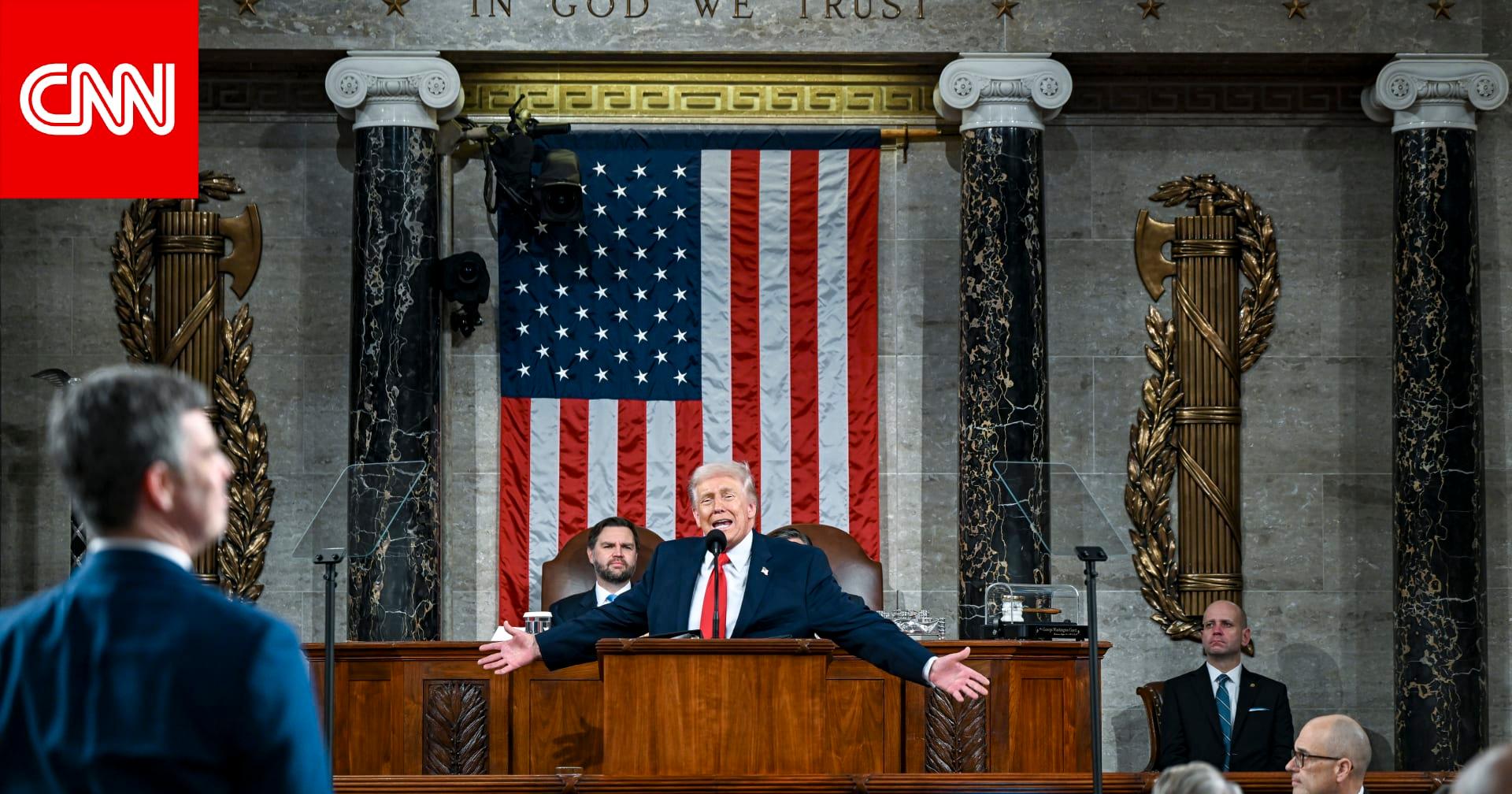
The same CNBC account says Trump faces a 60-day deadline under the War Powers Resolution related to military action in the Iran war, and it repeats the administration’s argument that a ceasefire reached three weeks ago had “terminated” hostilities between the two sides.
The Washington Post frames the political stakes through polling, saying Trump’s war in Iran is “as unpopular among Americans as the Iraq War during the year of peak violence in 2006 and the Vietnam War in the early 1970s,” and it ties that unpopularity to “growing economic pain and fears of terrorism.”
The Hill adds a concrete economic measure, citing AAA’s national average gas price on Friday of $4.39 and describing an Apoll released by The Washington Post indicating 61 percent of Americans see the war in Iran as a “mistake.”
On the operational side, The War Zone describes Trump at an “inflection point” with a legally mandated deadline and “reportedly meeting today with Epic Fury’s top general about future strikes,” and it states that tomorrow marks the 60-day mark since Trump formally notified Congress of hostilities against Iran.
Al Jazeera adds that Iran’s Ministry of Foreign Affairs spokesman Esmaeil Baghaei posted on X that the war is “a clear, unprovoked act of aggression,” while also quoting Baghaei’s claim that the US public should challenge the government for “waging this illegal war against the nation of Iran.”