Trump Says Iran Must Surrender Unconditionally in Epic Fury Campaign
Key Takeaways
- Trump claimed Iran is about to surrender during a G7 virtual call.
- He said he removed a cancerous tumor threatening all of us.
- Axios reported the claims during the G7 remarks.
Surrender Claims
In a dramatic escalation of tensions, U.S. President Trump boldly declared during a virtual meeting with G7 leaders that Iran is 'about to surrender.'
“Trump's Bold Claim: Iran 'About to Surrender,' Operation Epic Fury Boasted In a virtual meeting with G7 leaders, U”
Trump framed his military campaign as a decisive victory against a national security threat.

Trump boasted about the success of Operation Epic Fury, claiming he had 'got rid of a cancer that was threatening us all.'
The president asserted that no officials remained alive in Tehran capable of announcing Iran's surrender.
The White House remained conspicuously silent on these claims as regional tensions intensified.
Trump presented his military actions as having fundamentally weakened Iran's leadership structure and combat capabilities.
Iranian Response
Iran's new Supreme Leader Mojtaba Khamenei swiftly responded to Trump's surrender ultimatum, vowing to continue fighting 24 hours after the U.S. president's claims.
Khamenei defiantly threatened to open new fronts in the war 'where the enemy has little experience and is highly vulnerable.'
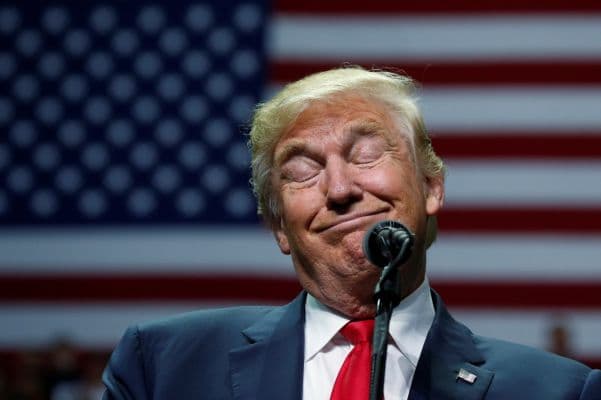
The Iranian leader specifically threatened continued action in the strategically vital Strait of Hormuz.
Khamenei's statement directly contradicted Trump's assessment of Iran's weakened position.
The Iranian response indicated that the conflict was far from resolved.
Iran suggested it intended to escalate rather than surrender unconditionally as demanded.
Military Escalation
The military campaign has evolved into a complex regional conflict with widespread repercussions.
“Iran 'about to surrender,' says Trump during G7 call What's the story United States President Donald Trump told leaders of the Group of Seven (G7) nations during a virtual meeting that Iran is "about to surrender," Axios reported, citing three officials from G7 countries who were briefed on the call”
The United States and Israel launched coordinated military operations against Iran's largest cities, including Tehran.
The U.S. and Israel justified their actions by citing alleged missile and nuclear threats emanating from the Islamic Republic.
In response, Iran's Islamic Revolutionary Guard Corps announced large-scale counterattacks against Israel.
Iran simultaneously launched strikes on American military facilities across the Middle East.
These facilities included Bahrain, Jordan, Qatar, Kuwait, the United Arab Emirates, and Saudi Arabia.
These retaliatory strikes have significantly heightened regional tensions.
The conflict has created a multi-front engagement that extends far beyond the original Operation Epic Fury objectives.
Economic Impact
The conflict has already triggered significant economic consequences that threaten global stability.
Attacks on tankers in the Strait of Hormuz have driven oil prices beyond $100 per barrel.
These developments have sparked fears of a global economic crisis.
The attacks have also disrupted international shipping routes.
The economic impact has prompted urgent diplomatic intervention from G7 leaders.
G7 leaders specifically urged Trump to end the conflict quickly and secure the vital waterway.
However, Trump's response to these economic concerns was ambiguous and noncommittal.
Trump offered only that 'the Hormuz situation is improving' while suggesting commercial ships should resume operations.
He provided no clear objectives or timelines for ending the war.
Leadership Changes
The conflict has resulted in significant leadership changes within Iran's power structure.
“Trump's Bold Claim: Iran 'About to Surrender,' Operation Epic Fury Boasted In a virtual meeting with G7 leaders, U”
Reports indicate that Supreme Leader Ayatollah Ali Khamenei was killed during the military operations.
Other high-ranking representatives of Iran's leadership were also reported killed.
This decapitation of Iran's leadership has created a power vacuum.
There remains uncertainty about the future direction of the military conflict.
There is also uncertainty about Iran's political landscape.
Mojtaba Khamenei's emergence as the new Supreme Leader represents a significant generational shift.
His first public statement focused on continuing the fight rather than seeking diplomatic resolution.
More on Iran
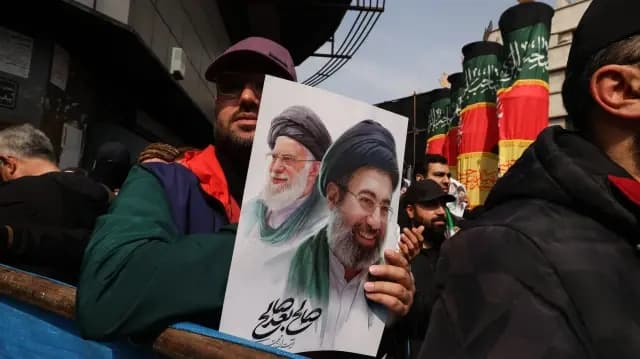
Russia Secretly Airlifts Iran's Supreme Leader Mojtaba Khamenei to Moscow for Surgery
11 sources compared
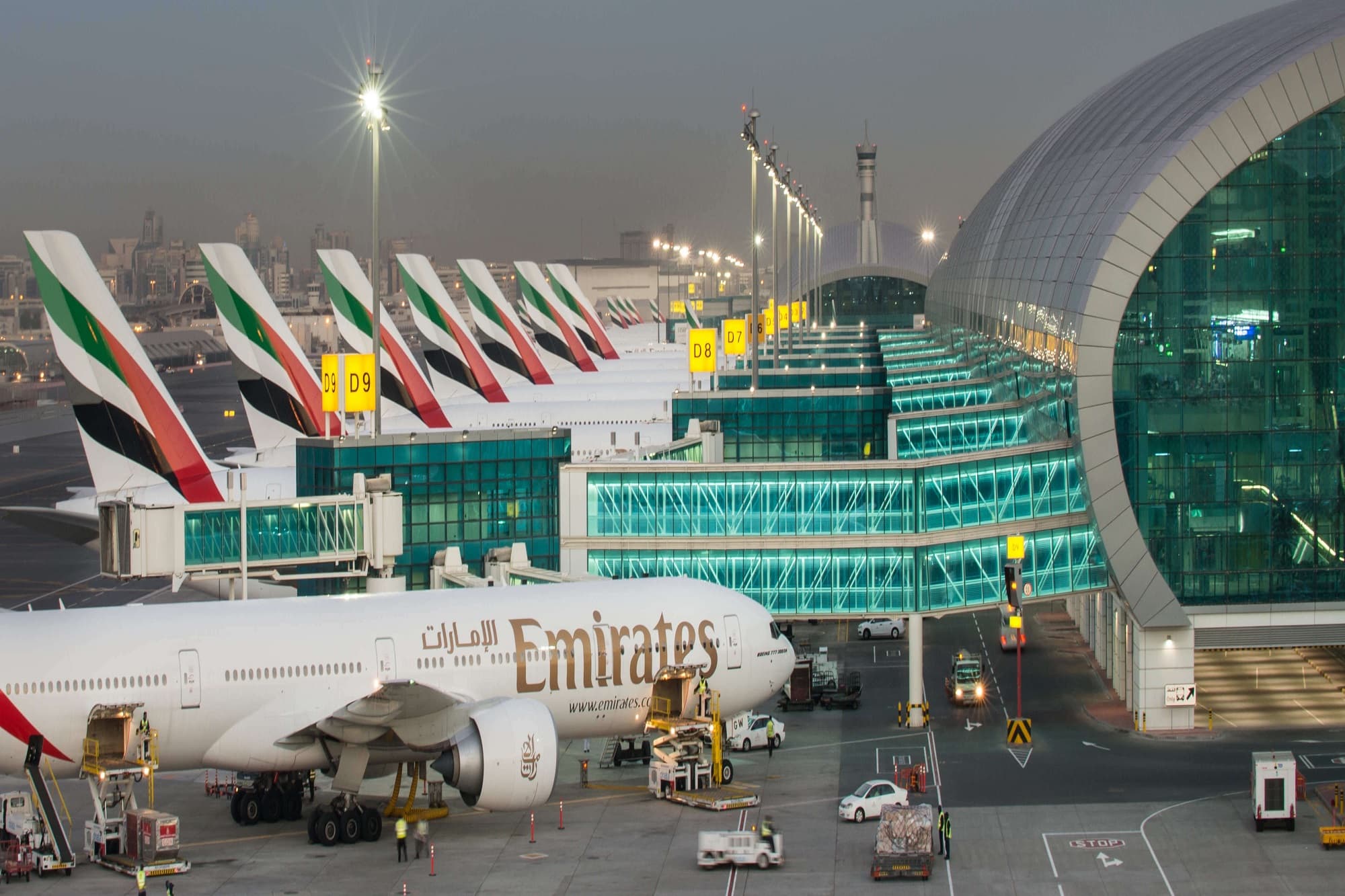
Iranian Drone Strike Shuts Dubai International Airport, Thousands Stranded
25 sources compared

Iran Drone Strike Shuts Dubai International Airport, Triggers Global Travel Disruption
16 sources compared

Iran's New Supreme Leader Mojtaba Khamenei Travels to Moscow for Leg Surgery
15 sources compared