
Trump Says Iran War Is Going Swimmingly And Should End Pretty Soon
Key Takeaways
- Trump says the Iran war is going swimmingly and should end soon.
- The US blockade of Iran's ships and ports aims to force a deal.
- The remarks were delivered at a Las Vegas event.
Trump’s “little diversion” claim
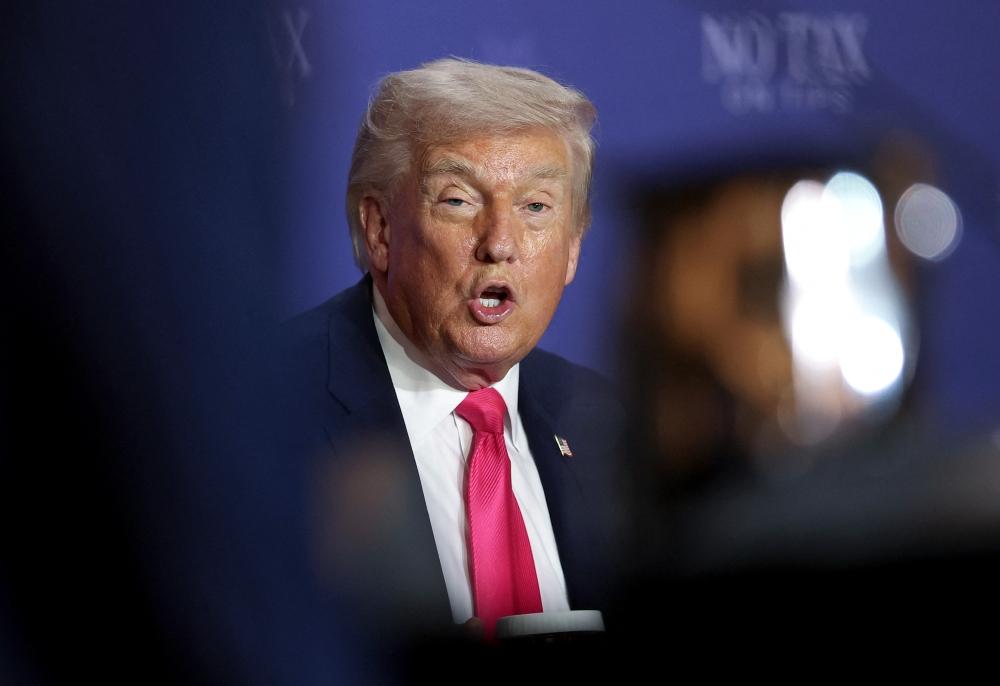
US President Donald Trump described the war on Iran as a “little diversion” while speaking in Las Vegas, saying it was “going swimmingly” and “should be ending pretty soon.”
“Toggle Play Trump calls war on Iran a ‘little diversion’ ‘We can do whatever we want’”
Al Jazeera reported that Trump said, “We can do whatever we want,” and framed the conflict as something the US could control on a timeline of his choosing.

Reuters similarly reported that Trump said the Iran war should end “soon,” adding that “both sides may meet at weekend.”
Multiple outlets tied Trump’s remarks to his broader political messaging in the same Las Vegas appearance, including promotion of his “no tax on tips” measure, while also linking his comments to Iran’s nuclear potential.
TRT World quoted Trump saying, “We can do whatever we want. And it should be ending pretty soon. It was perfect,” and also said, “the war in Iran is going along swimmingly.”
CNN’s account, by contrast, framed the US shift as a move from kinetic to economic warfare, describing Trump’s blockade of Iran’s ships and ports as an attempt to end the conflict “without a new US-Israeli onslaught.”
Across the coverage, Trump’s public optimism sits alongside operational pressure measures described by other outlets, including the blockade and the continuing ceasefire dynamics.
Ceasefire and regional ripple
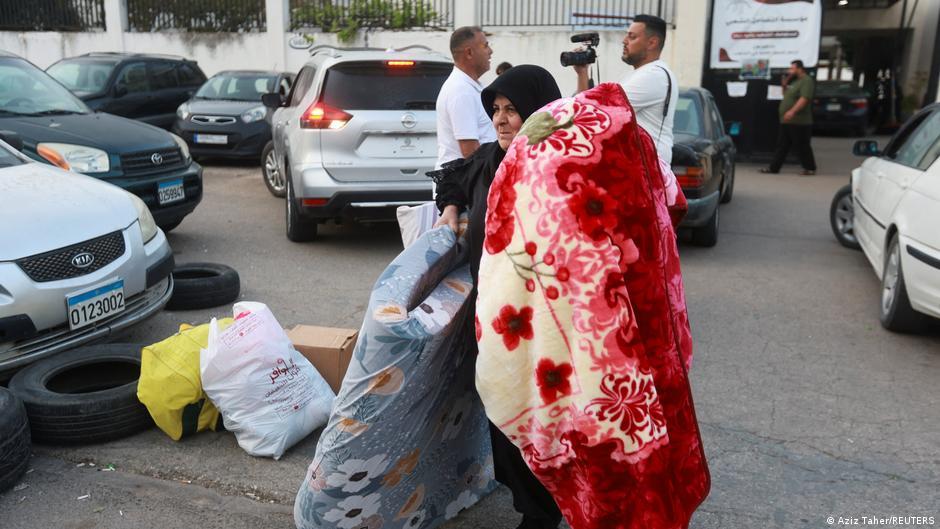
The Iran war diplomacy described in the sources is interwoven with a separate Israel-Lebanon ceasefire that took effect as part of a 10-day deal.
DW reported that “A 10-day ceasefire deal between Lebanon and Israel takes effect,” and said French President Emmanuel Macron supported the ceasefire while voicing concern that it “may already be undermined by the continuation of military operations.”

DW also said Lebanon’s army accused Israel of “acts of aggression,” including intermittent shelling of several southern Lebanese villages, that it said violated the ceasefire agreement that took effect at midnight Friday local time.
DW added that the Israeli military did not make an immediate comment, while also reporting that the Israeli military said it was “going to stay in southern Lebanon.”
The same DW roundup included US President Trump’s hope that Hezbollah would “act nicely” during the ceasefire, quoting his Truth Social post: “It will be an GREAT moment for them if they do. No more killing. Must finally have PEACE!”
UN Secretary-General Antonio Guterres welcomed the 10-day ceasefire between Israel and Lebanon, with DW citing Stephane Dujarric’s statement that the Secretary-General “urges all actors to fully respect the ceasefire and to comply with their obligations under international law, including international humanitarian law.”
Taken together, the sources show a regional ceasefire framework that is being tested by accusations of violations and by statements about how Hezbollah and Israel should behave during the pause.
Polls, public mood, and messaging
Several outlets connected Trump’s “little diversion” framing to public opinion and to the political incentives he faces as the war continues.
“President Donald Trump’s switch from kinetic to economic warfare with his blockade of Iran’s ships and ports is an attempt to end the conflict without a new US-Israeli onslaught”
Malay Mail reported that Trump said the US war with Iran was a “little diversion” during his second term, and it tied the remarks to an Ipsos poll showing “51 per cent of the more than 1,000 respondents” thought the Iran war was “not worth the costs associated with it,” while “Less than a quarter” said it was worth the costs.
The same Malay Mail piece added that a Quinnipiac University poll found “65 per cent of US voters blame Trump for the recent rise in gas prices” linked to the Strait of Hormuz closing since the start of the Iran war, and it reported that “only 36 per cent” approved of how Trump was handling the situation while “58 percent disapproved.”
TRT World similarly cited the Ipsos result of “51 percent of the more than 1,000 respondents” and the Quinnipiac result that “65 percent of American voters blame the US administration,” while stating that “only 36 percent” approved and “58 percent disapproved.”
The Times of India also described the same polling pattern, saying an Ipsos survey found a majority believed the war “has not been worth the cost,” and that Quinnipiac reported “65 per cent” blame Trump for rising fuel prices, with “Only 36 per cent” approving of his handling.
Politico’s account, meanwhile, described Trump’s eagerness to negotiate an end to the Iran war and quoted a senior Gulf official saying, “I think he would accept more compromises because he badly wants this to end.”
Across these sources, Trump’s insistence that the war should end “pretty soon” is presented alongside polling that shows disapproval and cost concerns, and alongside reporting that suggests he may need to adjust positions to reach a deal.
Negotiations, enrichment, and blockade pressure
The sources describe a negotiation track that is simultaneously moving toward a potential weekend meeting while the US maintains economic pressure through a blockade and threats of further escalation.
TRT World reported that Trump told reporters the US is “very close” to making a deal with Iran as a two-week ceasefire nears its expiration, and it quoted Trump saying, “And if that happens, oil goes way down, prices go way down, inflation goes way down, and you won't have nuclear holocaust.”
TRT World also said Trump responded to questions about the next round of direct talks by saying it would happen “maybe over the weekend,” and it described the first round of direct talks as held “on Saturday in the Pakistani capital.”
The Economic Times provided additional detail on the substance of negotiations, stating that Trump said Washington and Tehran were “very close” to a peace agreement and that he claimed Iran had agreed to hand over its enriched uranium, quoting him: “There’s a very good chance we’re going to make a deal,” and “They’ve agreed to give us back the nuclear dust.”
The Economic Times also said the US threatened to resume airstrikes and maintain a naval blockade of Iranian ports if Tehran refuses to accept a deal to end the conflict that began on February 28.
Politico described the structure of the US position, saying Trump’s red line is that Iran does not have nuclear weapons and quoting Trump: “We have a very powerful statement that they will not have beyond 20 years, that they will not have nuclear weapons,” while also noting that “There is no 20-year limit.”
CNN’s account framed the blockade as a gamble and described the rationale as economic pressure intended to force acceptance of US terms, while also quoting retired Adm. James Stavridis telling CNN’s Kasie Hunt that “we haven’t really choked off their economy.”
Stakes, warnings, and global reactions
The stakes described in the sources include both the immediate risk of renewed fighting and the broader economic and humanitarian consequences tied to maritime routes and the Strait of Hormuz.
“WASHINGTON, April 17 — President Donald Trump said yesterday the US war with Iran was a “little diversion” during his second term in power, as recent polling shows the conflict’s unpopularity with the American public”
CNN warned that the blockade’s rationale depends on timing and on whether pressure changes behavior before it worsens global economic damage, describing the blockade as potentially turning into “another political trap” if it does not lead to concessions.
The Economic Times said tensions have rattled global markets, with disruptions in the Strait of Hormuz pushing Brent crude prices higher, and it described Iran’s response warnings about targeting US ships if Washington attempts to “police” the strait.
The Economic Times also quoted US Defense Secretary Pete Hegseth warning: “if Iran chooses poorly, then they will have a blockade and bombs dropping on infrastructure, power and energy.”
In the same Economic Times coverage, it said Iran maintains its nuclear programme is peaceful and said its right to enrich uranium is “indisputable,” though the level of enrichment is “negotiable.”
Beyond the battlefield and negotiations, NPR reported that Pope Leo XIV criticized leaders for spending billions on war amid tensions with Trump, quoting the pope’s remarks in Cameroon: “The world is being ravaged by a handful of tyrants,” and “Blessed are the peacemakers!”
Across these sources, the consequences extend from the risk of escalation and blockade-driven economic disruption to political and moral contestation involving global leaders and the Vatican.
More on Iran

US Naval Blockade Near Strait Of Hormuz Pushes Iran Into Broader Conflict Negotiations
11 sources compared

U.S. Implements Naval Blockade on Iran, Halting 13 Ships in Strait of Hormuz
10 sources compared

U.S. Central Command Enforces Iran Port Blockade, Halting Sea Trade Worldwide
28 sources compared

U.S. House Rejects Greg Meeks Measure Curtailing Trump’s Iran War Powers 213-214
24 sources compared