Trump Says Middle East Ceasefire on Life Support After Rejecting Iran Counteroffer
Key Takeaways
- Trump claimed the Middle East ceasefire was on life support after rejecting Iran's counteroffer.
- Iran's counteroffer reportedly demanded release of frozen assets and end to U.S. blockade.
- Oil prices rose as markets reacted to Trump's rejection and stalled ceasefire talks.
Trump presses Iran truce
President Donald Trump said the ceasefire in the Middle East war was on "life support" Monday after rejecting Iran's latest counteroffer, which it said had included demands for the release of frozen assets and the end of a U.S. blockade.
“…Says MTN, Airtel must now deliver better network quality Bosun Tijani, Nigeria’s minister of Communications, Innovation and Digital Economy, has declared that telecom operators in the country no longer have excuses for poor network quality, insisting that companies such as MTN Nigeria, Airtel Nigeria, Globacom and T2 must now improve services for Nigerians”
Trump told reporters on Monday, "The ceasefire is on massive life support, where the doctor walks in and says, 'Sir, your loved one has approximately a one percent chance of living,'" as he insisted the U.S. would see a "complete victory" over Iran.

The Hürriyet Daily News report said the developments sent oil prices soaring and dashed hopes that a deal could be quickly negotiated to reopen the Strait of Hormuz to commercial shipping.
It also quoted Saudi oil giant Aramco CEO and president Amin Nasser saying, "If the Strait of Hormuz opens today, it will still take months for the market to rebalance" and that if opening is delayed, "normalisation will last into 2027," while the U.S. Navy blockades Iran's ports and at times fires on ships to disable them or boards and diverts them.
Strait of Hormuz stakes
The Hürriyet Daily News account said concern has focused on the Strait of Hormuz, where Iran is restricting maritime traffic and setting up a payment mechanism to charge tolls for crossing ships.
U.S. officials stressed it would be "unacceptable" for Tehran to control the international waterway, and Trump told Fox News he was considering reviving a short-lived U.S. operation to escort oil and other commercial shipping through the Hormuz.
The report added that Saudi sources previously told AFP that Saudi Arabia had prohibited the U.S. from using its airspace and bases for the operation the first time around over fears "it would just escalate the situation and would not work".
It also said an Iranian parliament national security commission spokesman warned Washington in a social media post on Sunday: "Our restraint is over as of today."
Trump heads to China
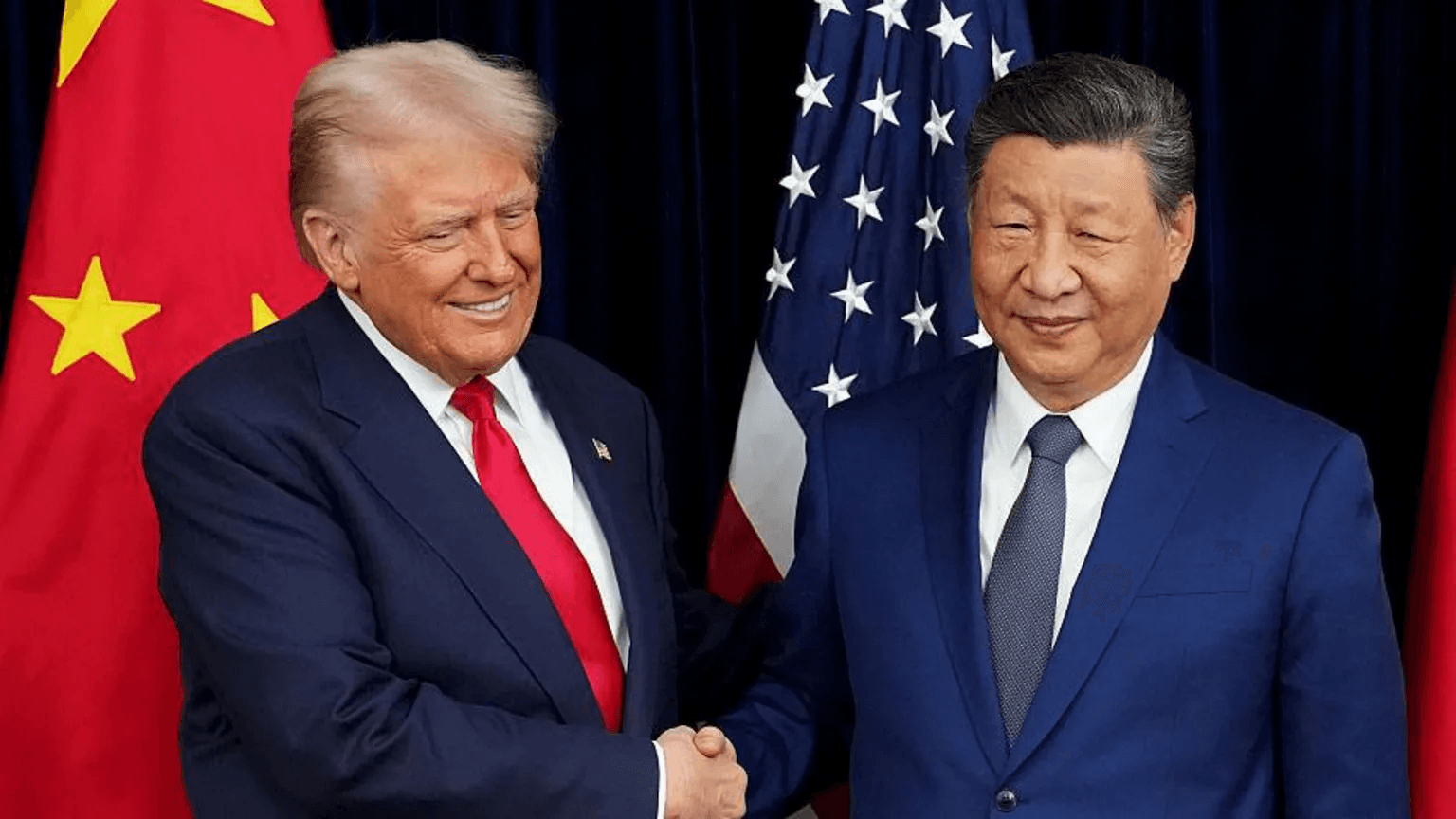
In a separate development, MyJoyOnline said Beijing has confirmed that U.S. President Donald Trump will travel to China this week to meet Xi Jinping, with the visit scheduled for 13-15 May.
“Audio By Carbonatix Beijing has confirmed that US President Donald Trump will travel to China this week to meet Xi Jinping”
MyJoyOnline reported that the trip will be the first to China by a U.S. president in nearly a decade and comes as a test of a fragile trade truce between Washington and Beijing.
The outlet said executives from some of America's biggest companies, including Boeing, Citigroup and Qualcomm, are expected to travel with Trump, potentially to make deals with Chinese firms.
It also described how the trade war escalated after Trump unveiled sweeping import taxes in April 2025, with a tit-for-tat exchange that saw tariffs top 100%, and said the tariffs were paused after Trump and Xi's last face-to-face meeting in South Korea in October.
More on USA

Supreme Court Lets Trump Administration End TPS Protections for Haitians and Syrians
14 sources compared
Trump Pushes SAVE America Act as Senate Impasse Persists and Judge Blocks Proof of Citizenship
13 sources compared
Supreme Court Clears Way for Trump Asylum Policy After Alito Decision, Sotomayor Warns More People Will Die
12 sources compared
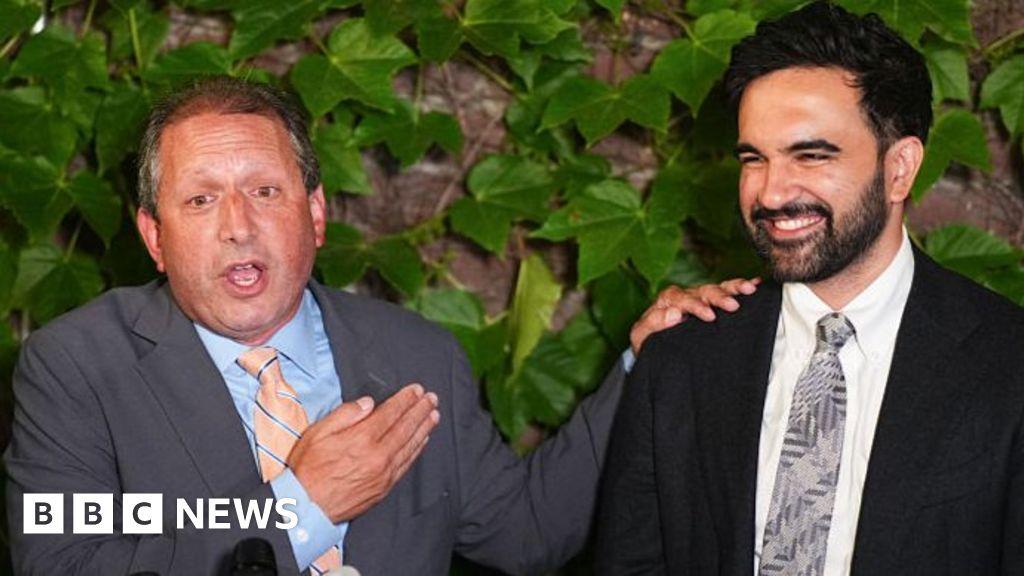
Zohran Mamdani-Backed Democratic Socialists Sweep New York House Primaries
11 sources compared