
Trump Says U.S. Deal With Iran Nears End, AP Finds Missile Objectives Unfulfilled
Key Takeaways
- Trump says the U.S. is close to signing a deal to wind down Iran war.
- Several Trump objectives for the conflict remain unfulfilled.
- Despite near-end claims, the war remains raging.
Unfulfilled war objectives
President Donald Trump said the U.S. is close to signing a deal with Iran to wind down the war, with a memorandum of understanding to be signed in the coming days, but the AP said some key objectives Trump laid out remain unfulfilled.
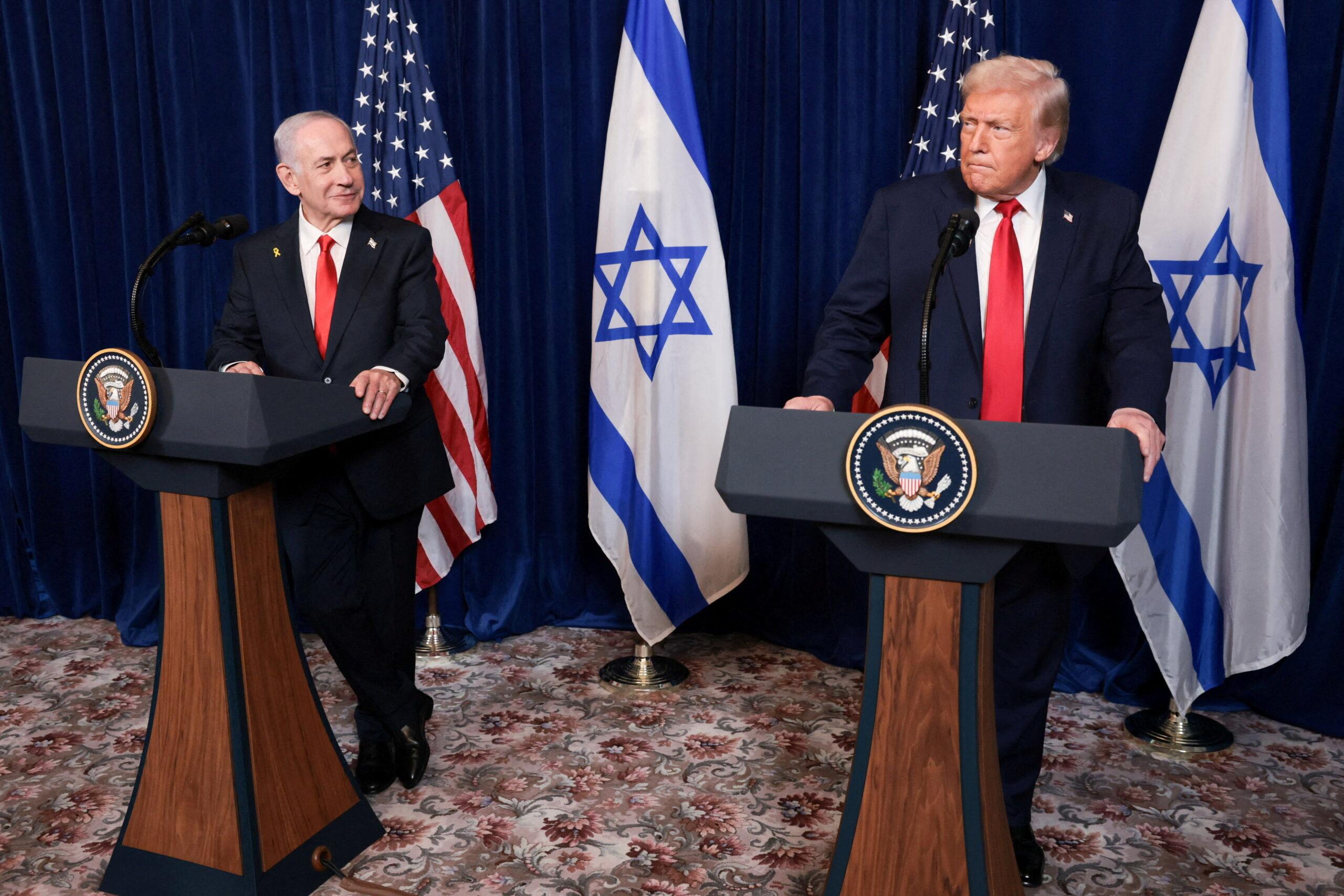
“WASHINGTON—Despite close coordination between US and Israeli leaders and their militaries from the earliest days of the Iran war, the two countries’ interests and objectives, and their leaders’ political priorities and constraints, have increasingly diverged”
The AP reported that one prime objective was to "destroy their missiles and raze their missile industry to the ground," and it cited Trump saying in late March that Iran's missiles "are mostly decimated" and that 90% of their missiles and launchers were knocked out.
By mid-May, the AP said Trump shifted to a more conservative estimate that 82% of Iran's missiles were gone, and Adm. Brad Cooper told lawmakers in mid-May that Iran maintains a "very moderate if not small capability to continue strikes" in the region.
The AP also said Iran proved as recently as this week that it still had the ability to launch missiles when it attacked three Gulf allies of the U.S., and it said the U.S. and Bahrain also said they intercepted missiles and drones fired at the Gulf kingdom by Iran.
Competing priorities
The Atlantic Council said US and Israeli interests in the war with Iran have diverged into a "chasm" even though the two countries coordinated from the earliest days of the war.
It described Israel’s approach as operating according to the post-October 7 Israeli ethos, with Israeli Prime Minister Benjamin Netanyahu believing additional military pressure on Iran could cause the regime to fall and further degrade its nuclear and ballistic missile capability.

The Atlantic Council said the Strait of Hormuz became a major fissure, noting that when Iran closed the Strait of Hormuz to international shipping, it gained massive leverage by disrupting global energy and other supply chains and causing economic havoc, including a significant spike in gasoline prices in the United States.
It also said the elements of a deal are contested, with a much higher priority for Israel being a deal that permanently dismantles Iran’s nuclear program by exporting all enriched uranium, permanently banning further enrichment, dismantling all nuclear facilities, and allowing constant, intrusive inspections.
What comes next
The Intercept said Trump declared victory early in the war, quoting Trump announcing on March 11, 11 days after launching the joint attack with Israel, "We won," and it said that more than 2,200 hours later the conflict is still raging.
“WASHINGTON (AP) — President Donald Trump said the U”
It reported that Trump told Fox News’s Trey Yingst that the U.S. fired 49 Tomahawk missiles at targets inside Iran, and it quoted Trump saying, "We’ll bomb the S out of them tomorrow night'" if Iran did not sign a peace agreement.
The Intercept also said Trump told Fox News that the U.S. would be "hitting Iran … VERY HARD TONIGHT," and it framed the continued conflict as contradicting reassurances that a peace deal with Iran was imminent.
The AP, meanwhile, said the list of objectives has expanded and shifted as Trump and his administration have spoken about the war since it started Feb. 28, and it said the conflict has battered the global economy, tested alliances, and raised unanswered questions about planning for the conflict, its justification, and its aftermath.
More on Iran

United Arab Emirates Denies Releasing $10 Billion Frozen Iranian Assets After Reuters Report
15 sources compared
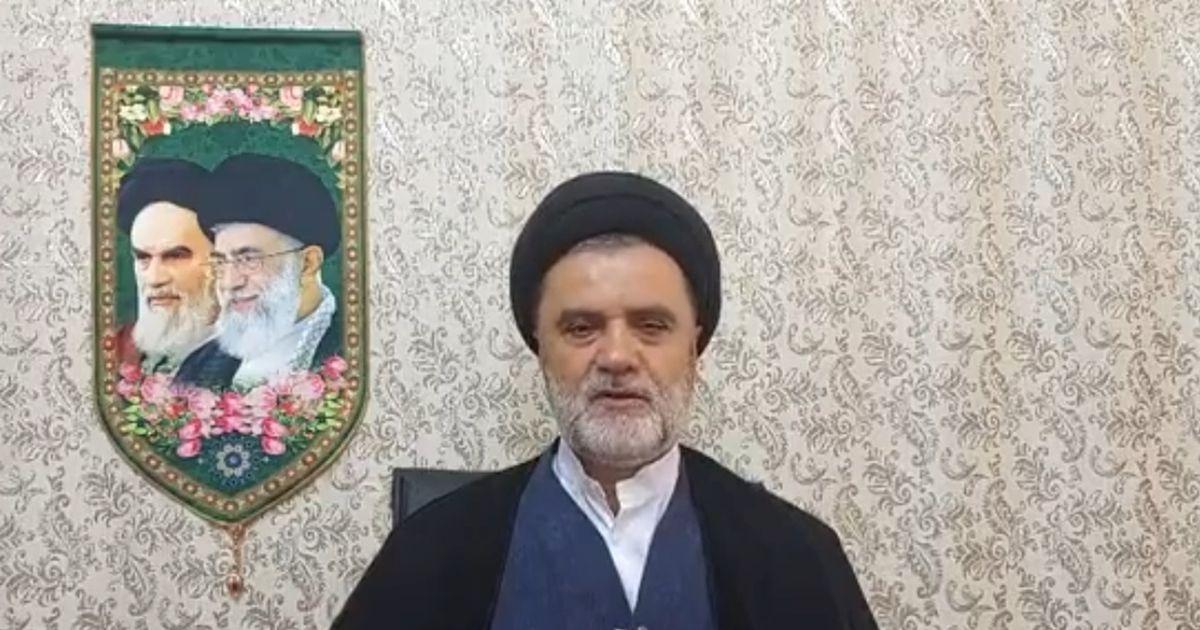
Trump Says U.S. And Iran Near Agreement To Reopen Strait Of Hormuz And Extend Ceasefire
10 sources compared
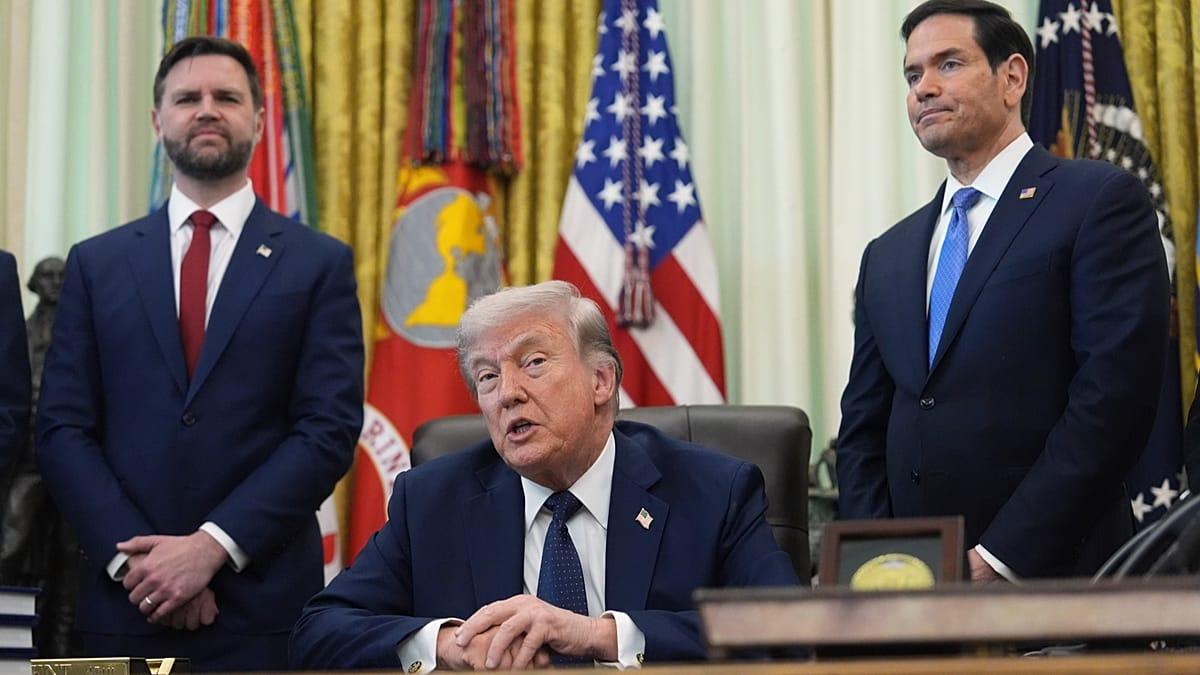
White House Confidence Rises to 85% for US-Iran Agreement, Trump Says Not 100%
25 sources compared

Iran Says It Agreed With Washington on Guiding Principles After Geneva Talks
18 sources compared