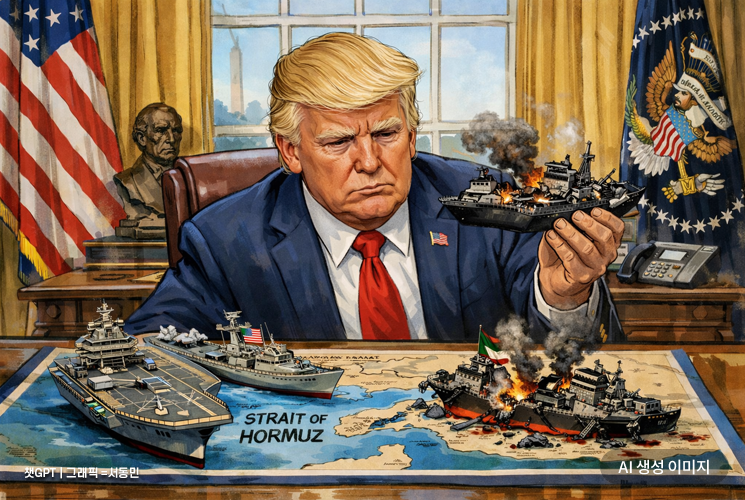
President Trump Says U.S. Destroyed 100% of Iran's Military Capability, Bombed Kharg Island
Key Takeaways
- Trump announced U.S. strikes hit military targets on Kharg Island, Iran's main oil export hub.
- Kharg Island accounts for 90% of Iran's crude exports, making it Iran's critical oil lifeline.
- Trump claimed the strikes destroyed every military target on Kharg Island.
Trump's Military Claims
President Donald Trump announced Friday that the United States had destroyed what he claimed was 100% of Iran's military capability during a major bombing raid on Kharg Island.
“Israel suspects Khamenei was wounded at the start of the war”
In posts on Truth Social, Trump stated that US Central Command executed the strikes under his direction, claiming American forces 'totally obliterated every MILITARY target' on what he called Iran's 'crown jewel.'

The president emphasized that he had deliberately avoided targeting the island's oil infrastructure 'for reasons of decency,' though he warned this decision could change immediately if Iran interfered with shipping through the Strait of Hormuz.
Trump's announcement came as the US-Israeli war against Iran entered its third week, with both sides escalating their military campaigns across the region.
The strikes marked a significant escalation in the conflict that began on February 28, 2026, when US and Israeli forces killed Iran's Supreme Leader Ayatollah Ali Khamenei in opening strikes.
Kharg Island Significance
Kharg Island, the strategic Persian Gulf outpost that serves as Iran's primary oil export hub, has emerged as a critical focal point in the escalating conflict.
Located approximately 25 kilometers off Iran's southern coast, the small island handles roughly 90% of Iran's crude oil exports, with an estimated 1.3 to 1.6 million barrels shipped daily through its terminals.
Iranian media confirmed that while the island was targeted in airstrikes, with more than 15 explosions heard across the location, reports indicated 'despite the intensity of the blasts, none of the island's oil infrastructure was damaged.'
The island's immense economic importance is underscored by analysts' warnings that any direct strike on its energy facilities would 'immediately halt the bulk of Iran's crude exports, likely triggering severe retaliation in the Strait of Hormuz or against regional energy infrastructure.'
The facility's strategic significance has made it a sensitive site throughout Iran's history, having been repeatedly attacked during the Iran-Iraq war of the 1980s and now becoming a centerpiece of the current US military campaign.
Military Escalation
The military conflict has significantly escalated across the Middle East, with both the United States and Israel deploying additional forces and intensifying their campaigns.
“Early in the war, every headline produced an outsized reaction because nobody could price the tail risk”
The Pentagon announced the deployment of 2,500 Marines and the amphibious assault ship USS Tripoli to the region, representing a major reinforcement of US military presence in the Gulf.
US Defense Secretary Pete Hegseth claimed that 'over 15,000 enemy targets have been struck—more than 1,000 a day since the war began,' while Israel's military reported approximately 7,600 strikes in Iran and 1,100 in Lebanon since launching their joint operation on February 28.
Iranian forces have responded with widespread missile and drone attacks on Israel and neighboring Gulf states, effectively closing the Strait of Hormuz through which a fifth of global crude oil and liquefied natural gas normally pass.
In a significant development, a missile struck a helipad inside the US Embassy compound in Baghdad, and debris from an intercepted Iranian drone hit an oil facility in the United Arab Emirates, demonstrating the expanding geographic reach of the conflict.
Humanitarian Impact
The humanitarian toll of the escalating conflict has been severe, with thousands of casualties reported across the region.
According to Lebanese health authorities, Israeli attacks have killed at least 773 people in Lebanon since March 2, including 103 children, while more than 850,000 people have been displaced from their homes.

In Lebanon, an Israeli strike on Friday killed 12 medical staff at a healthcare center in the southern town of Burj Qalaouiya, drawing condemnation from the Lebanese Health Ministry.
In Iran, the Human Rights Activists News Agency (HRANA) reported 1,298 civilian deaths—including 205 children—and 1,122 military personnel killed since the war began.
The United States has suffered 13 service member deaths, including six from a refueling aircraft crash in Iraq and six from an Iranian strike on a makeshift operations center in Kuwait.
The conflict has also taken a heavy toll on women and girls in Iran, with 223 killed and 2,129 wounded since February 28, according to Iran's government spokesperson Fatemeh Mohajerani.
These figures underscore the devastating human cost of the military escalation that has transformed the Middle East landscape.
Economic Impact
The economic consequences of the escalating conflict have been profound, particularly affecting global energy markets.
“Privacy PolicyTerms of ServiceAI PolicyAdvertise with Us © 2026 ABS-CBN Corporation”
Oil prices have surged more than 40% since hostilities commenced, with Brent crude futures closing above $100 per barrel for the second consecutive day on Friday.

This price spike has reflected intense market concerns about supply disruptions, as Iran's crude exports from Kharg have already fallen by approximately 52% since late February.
The International Energy Agency has described the situation as 'the largest energy supply disruption in history,' prompting coordinated releases from strategic petroleum stocks totaling 400 million barrels worldwide, including 172 million from US reserves.
Analysts warn that any direct attack on Kharg Island's oil infrastructure could trigger even more severe price increases, potentially adding $10 or more per barrel to global oil prices according to estimates from the Washington-based Center for Strategic and International Studies.
The economic fallout has extended beyond energy markets, with inflationary pressures mounting as gasoline prices reached their highest levels in about two years and diesel prices jumped sharply due to the conflict's impact on freight and industrial demand.
More on USA

Cuba's Díaz-Canel Acknowledges Talks with U.S. as Energy Crisis Worsens
25 sources compared
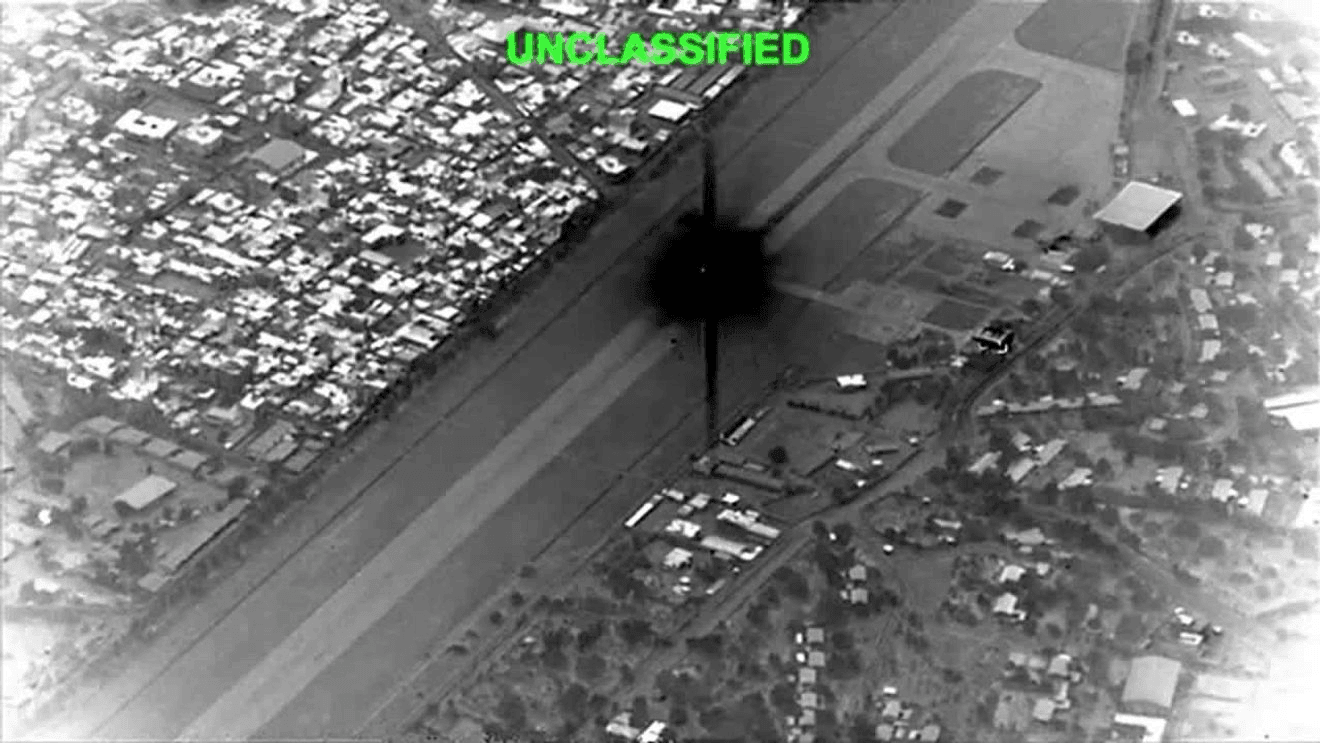
United States launches large-scale strike on Iran's Kharg Island, CENTCOM confirms.
14 sources compared

FCC Chair Brendan Carr Threatens to Revoke Broadcast Licenses Over Iran Coverage
10 sources compared

U.S. Forces Capture Maduro in Venezuela Raid; 40 Dead Near Caracas, Trump Confirms
25 sources compared