
Trump Says US-Iran Peace Deal To Be Signed Tomorrow, Strait of Hormuz Open To All
Key Takeaways
- Trump says U.S.–Iran peace deal to be signed tomorrow; Strait of Hormuz open.
- Iran says no finalized deal yet; Hormuz remains under Iranian control.
- Pakistan mediating; final text reportedly nearing completion amid mutual doubts.
Deal Timing, Hormuz Promise
Donald Trump said a US-Iran peace deal is scheduled “to be signed tomorrow,” adding that the Strait of Hormuz would then be “OPEN TO ALL,” while warning that there is the “ultimate alternative, hopefully never to be used again” if talks do not work “smoothly.”
Pakistan’s prime minister Shehbaz Sharif said the US and Iran have agreed to a framework for a peace deal that would end the months-long conflict, with a final text reached, and he said the deal was expected to be finalised within 24 hours as Pakistan prepared for “the electronic signing.”
Iran’s Foreign Ministry spokesman Esmaeil Baghaei cast doubt on the timeline, saying: “We will have to wait and see about the exact date of the signing of the memorandum of understanding, although it will not be tomorrow.”
In parallel, Tehran announced that the funeral for its late supreme leader Ali Khamenei would take place on 4 July, with burial set for 9 July, as the start of the funeral coincides with America’s Independence Day.
DW reported that despite optimistic signals, fighting continued in the region, with the US claiming to have shot down several Iranian drones overnight.
Competing Narratives and Voices
DW said former Middle East advisor and negotiator for the US State Department Aaron David Miller warned that “What you've done is buy yourself a ticket, on both sides, to a negotiation that is going to be long and tedious.”
In response to leaked terms and shifting claims, Trump denied Iran’s leaked conditions, writing: “What the Iranians stated, including their weak and pathetic statement about reaching an agreement, is not true at all,” while Axios later quoted Trump as saying Iran privately apologized for providing false information.

Iran’s Foreign Minister Abbas Araghchi said Friday that the terms of dealing with Iran’s nuclear program would be finalised in the 60 days after the initial agreement is signed, and he said the parties could decide to extend that period.
CNN reported that a senior Trump administration official outlined five provisions said to be agreed, including that “The Strait of Hormuz will be opened,” while CNN also noted Iranian state media had said Iran would not relinquish control of the Strait of Hormuz.
The BBC also reported that Trump warned that if things would not “work out quickly, easily and smoothly,” Washington had “the ultimate alternative, hopefully never to be used again!”
What’s at Stake Next
The potential memorandum of understanding is framed as a shift from a ceasefire toward a broader arrangement, with CBS News saying Trump expected the Strait of Hormuz to be “immediately” reopened and with Iran’s foreign ministry later saying the deal would likely not be signed Sunday.
NBC News reported that the memorandum of understanding would reopen the Strait of Hormuz immediately without tolls and restore prewar shipping within approximately 30 days, while also lifting the U.S. blockade of Iran’s ports and extending the current ceasefire for 60 days.
Iran’s Foreign Ministry spokesman Esmail Baghaei said on Saturday that “it will not be tomorrow,” while also saying “The possibility of it being signed in the coming days cannot be ruled out,” and he added that “Due to the other side’s inconsistency” Iran should remain cautious.
Al Jazeera reported that Iranian officials and union-like hardline voices were already contesting the deal’s terms, including whether Iran would receive frozen overseas funds and the status of the Strait of Hormuz, as it described a “hybrid diplomatic scene” around the negotiations.
Foreign Policy said the success or collapse of this weekend’s negotiations could color next week’s G-7 leaders’ summit, and it noted that if the Iran negotiations collapse yet again and lead to a resumption in fighting, that could dominate the summit.
More on Iran
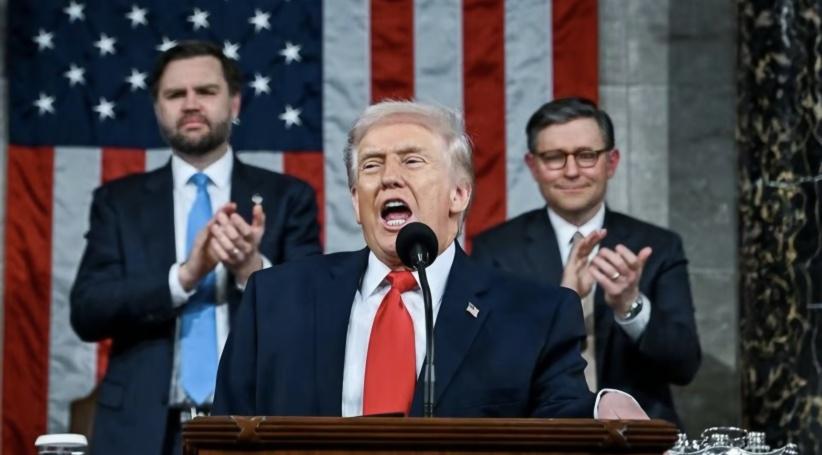
Trump Says US-Iran Peace Deal Complete, Orders Removal of Naval Blockade
11 sources compared

Donald Trump Orders Stop Of U.S. Naval Blockade As Iran Deal Opens Strait Of Hormuz
13 sources compared
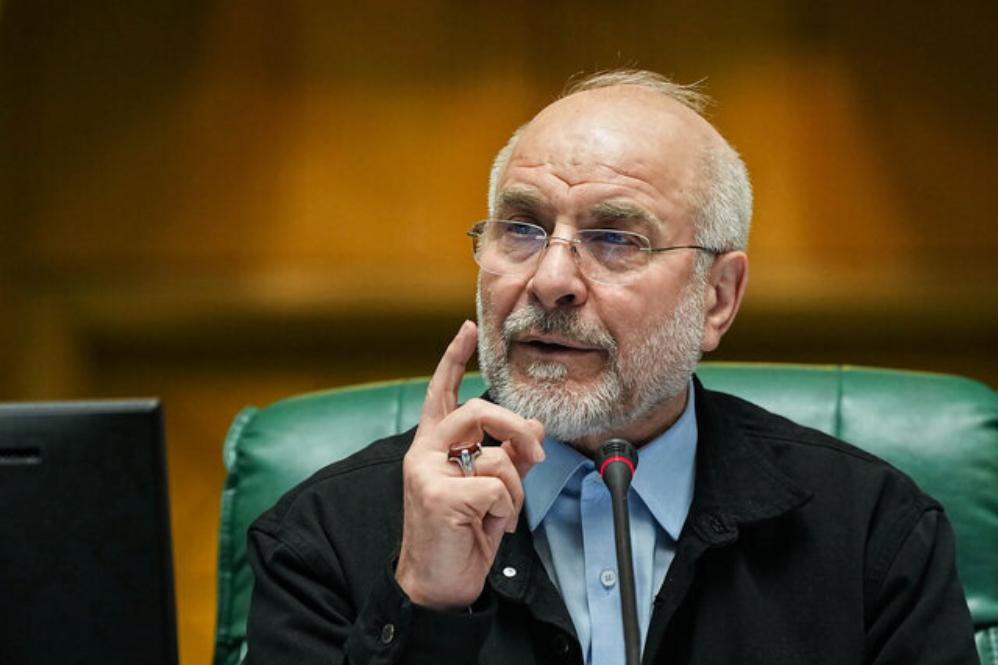
Israel Strikes Beirut Southern Suburbs As US-Iran Peace Deal Signing Nears in Switzerland
13 sources compared

Trump Says U.S.-Iran Memorandum Will Be Signed Sunday, Strait of Hormuz Reopens
10 sources compared