
Trump says U.S. negotiating with Iran to end war, Iran denies deal.
Key Takeaways
- Trump says the United States is negotiating with Iran to end the war.
- Iran denies any talks with the United States, saying negotiations have not occurred.
- Mediators relay U.S.–Iran messages, with proposals and possible meetings under consideration.
Talks Announcement and Denial
President Trump dramatically announced on Monday that the United States is negotiating with Iran to end the war, claiming the two sides had held 'very good and productive conversations' toward a 'complete and total resolution of our hostilities' in the Middle East.
“and Iranian officials”
The president extended his deadline for Iran to reopen the Strait of Hormuz by five days, stating the U.S. would postpone attacks on Iranian energy infrastructure while talks continue.

However, Iranian officials immediately denied any negotiations were taking place, with Foreign Ministry rejecting the claims and parliamentary speaker Mohammad Bagher Ghalibaf dismissing reports as 'fake news' intended to manipulate financial and oil markets.
The conflicting statements created market volatility, with oil prices tumbling and stocks surging on Trump's announcement before Iranian denials.
Regional Mediation Efforts
Behind the scenes, regional mediators Egypt and Turkey emerged as key players in facilitating backchannel communications between Washington and Tehran.
Egyptian President Abdel-Fattah el-Sissi confirmed Cairo had delivered 'clear messages' to Iran focusing on de-escalation, while Turkish officials revealed Foreign Minister Hakan Fidan had spoken with counterparts from Qatar, Saudi Arabia, Pakistan, Egypt and the European Union as part of de-escalation efforts.

According to multiple sources, the U.S. and Iran have exchanged messages through these regional intermediaries, with Iran reportedly receiving U.S. proposals through mediators for review.
A Gulf diplomat told media that Egypt and Turkey were leading de-escalation efforts and had 'managed to avert an energy catastrophe' that would have resulted if Trump carried out his threats against Iranian energy facilities.
Nuclear Program Demands
The nuclear program emerged as a central point of contention in the potential negotiations, with Trump insisting that Iran halt uranium enrichment and allow the U.S. to remove all enriched uranium from the country.
“The Israeli military said Monday it is conducting strikes on Iranian regime targets in the “heart of Tehran,” moments after President Donald Trump claimed the US and Iran had held “productive conversations” aimed at ending the war”
The president claimed there were about '15 points' of agreement between the two sides, though he provided few details beyond stating Iran had agreed to 'not have a nuclear weapon.'
According to experts, Iran has already completed 99% of the centrifuge work required to produce weapons-grade uranium for approximately nine nuclear weapons.
The International Atomic Energy Agency estimates Iran possessed 440.9 kilograms (972 pounds) of highly enriched uranium as of June 2025, with Princeton University professor Robert Goldston warning Iran could produce enough weapons-grade material for one bomb approximately every month.
These developments have heightened international concerns about Iran's nuclear capabilities amid the ongoing conflict.
Military Tensions and Casualties
Despite diplomatic overtures, military tensions remained high throughout the region.
Iran's paramilitary Revolutionary Guard promised retaliation if Trump carried out his threat to attack power plants, warning they would target 'power plants supplying electricity to American bases, as well as the economic, industrial and energy infrastructures in which Americans have shares.'

Iranian officials maintained their stance that the country would continue fighting until 'the required level of deterrence is achieved,' with parliament speaker Qalibaf suggesting vital infrastructure across the region could be considered legitimate targets, including desalination facilities critical for drinking water in Gulf nations.
The conflict has already resulted in significant casualties, with reports indicating more than 1,500 deaths in Iran, over 1,000 in Lebanon, 15 in Israel, and 13 U.S. military members, as well as civilians in the Gulf region.
Market Reactions and Global Impact
Trump's announcement had immediate global economic impacts, with financial markets reacting positively to the news of potential de-escalation.
Oil prices eased significantly after Trump's announcement, with Brent crude falling back below $100 per barrel, while the S&P 500 rallied 1.1% for its best day since the war began, and the Dow Jones Industrial Average rose 1.4%.

The United Nations warned that the conflict's ripple effects had already caused 'exponential price hikes in oil, fuel and gas' that have had far-reaching impacts on millions, particularly in Asian and African developing countries.
International Energy Agency head Fatih Birol cautioned that 'no country will be immune to the effects of this crisis if it continues to go in this direction,' highlighting the global stakes of the ongoing tensions.
More on Iran
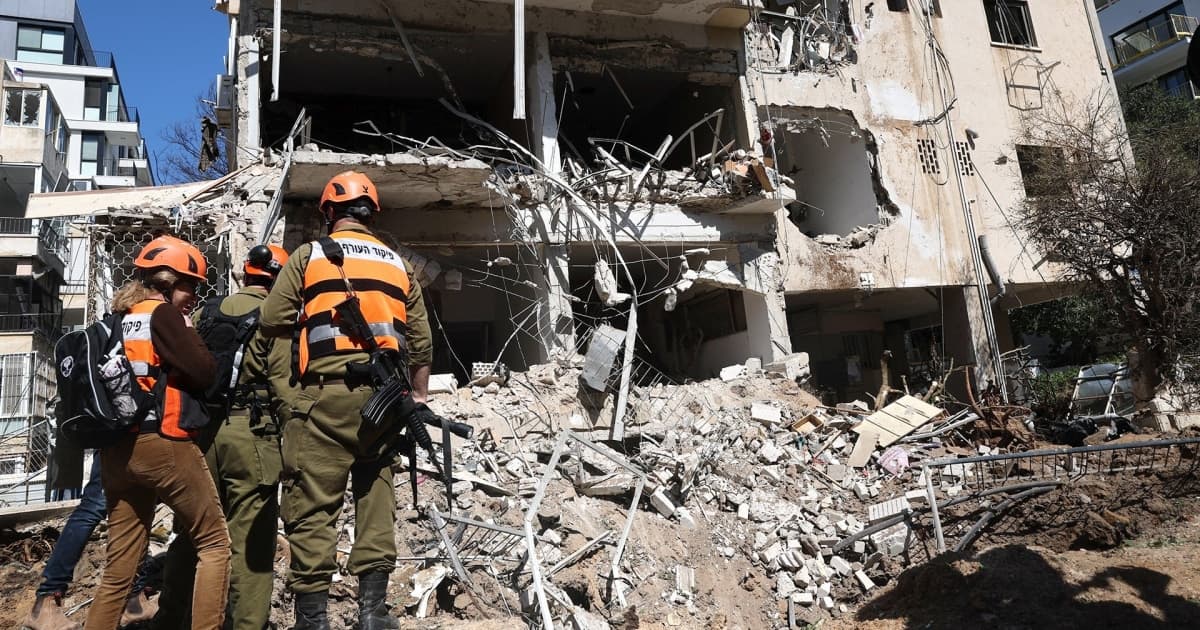
Iran Fires Missiles at Tel Aviv Amid Trump's Peace Talks Claims
16 sources compared
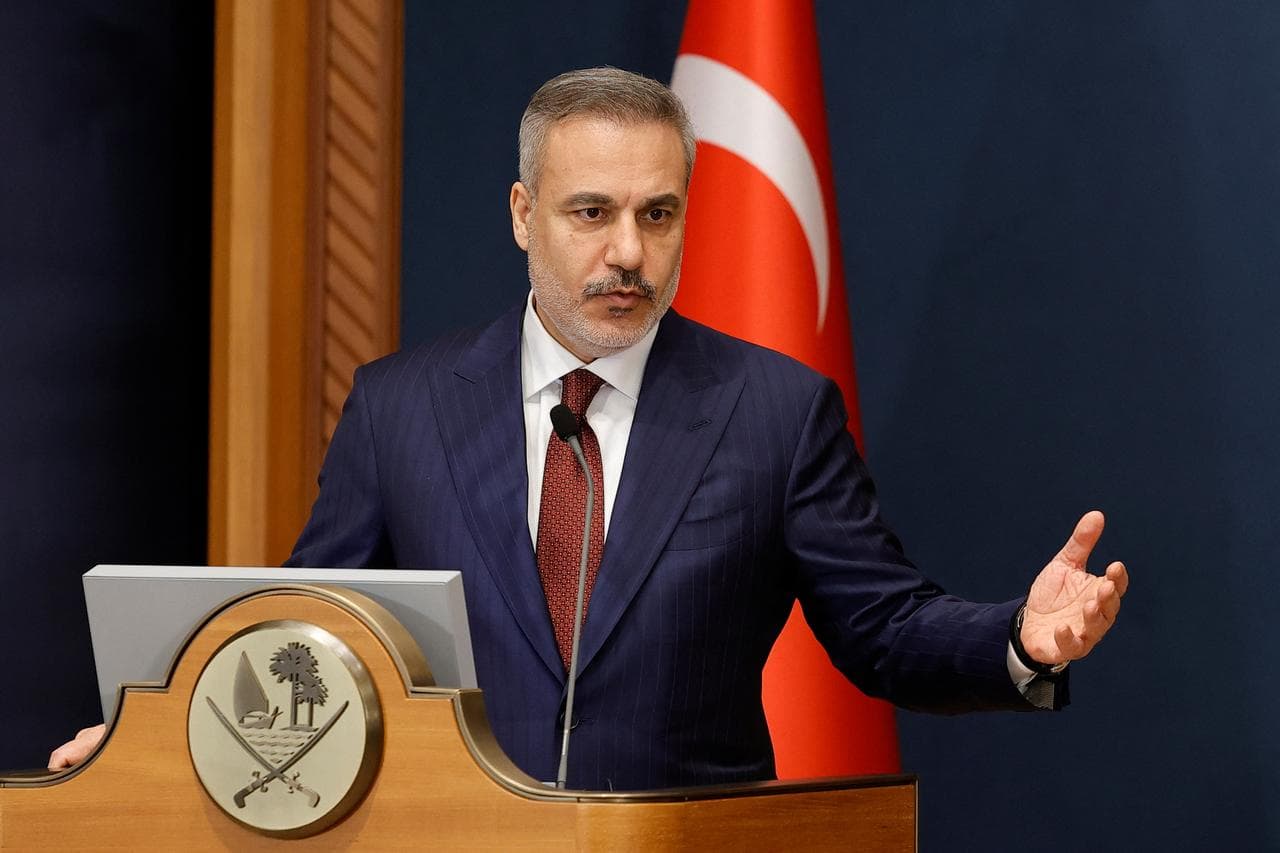
Trump Delays U.S. Strikes on Iran Energy Infrastructure for Five Days
34 sources compared

Iran Launches Missiles at Israel as Iran Denies Trump Talks
12 sources compared
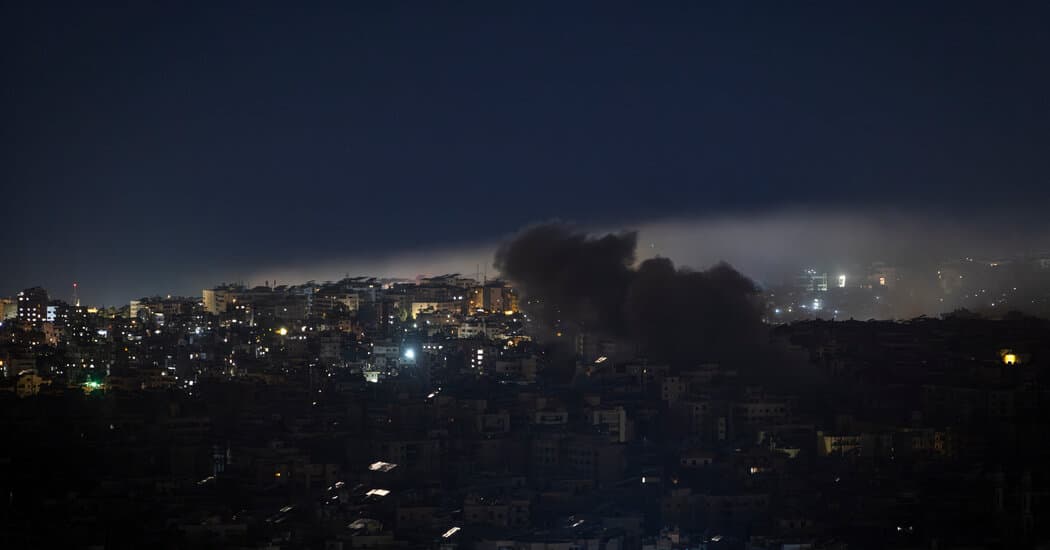
Iran Fires Missiles at Israel as Trump Postpones Strikes Over Talks
12 sources compared