
Iran Accuses U.S. of Ceasefire Violation After Self-Defense Strikes
Key Takeaways
- U.S. conducts self-defense strikes on Iranian missile launch sites and boats near Hormuz.
- Iran accused the U.S. of a grave ceasefire violation and threatened retaliation.
- Negotiations toward U.S.–Iran settlement continue; Trump not satisfied, threatening 'deal or no deal'.
Ceasefire, then strikes
Iran accused the U.S. of a "grave violation" of the ceasefire after the U.S. military said "self-defense strikes" overnight targeted Iranian forces, while Secretary of State Marco Rubio said talks were still possible as President Trump sought a "good deal" or "no deal".
“Iranian State TV has released details of what it said is in a possible Memorandum of Understanding between Iran and U”
The CBS News account also tied the diplomatic moment to violence elsewhere, noting that rescue workers pulled a dozen bodies from rubble after an Israeli airstrike in eastern Lebanon and that Prime Minister Benjamin Netanyahu authorized more intense strikes against Iranian-backed Hezbollah.

An Iranian Revolutionary Guard official told Tasnim that a renewal of war with the United States was unlikely, saying "The possibility of war is low" and that Iran’s armed forces were "lying in wait with full magazines."
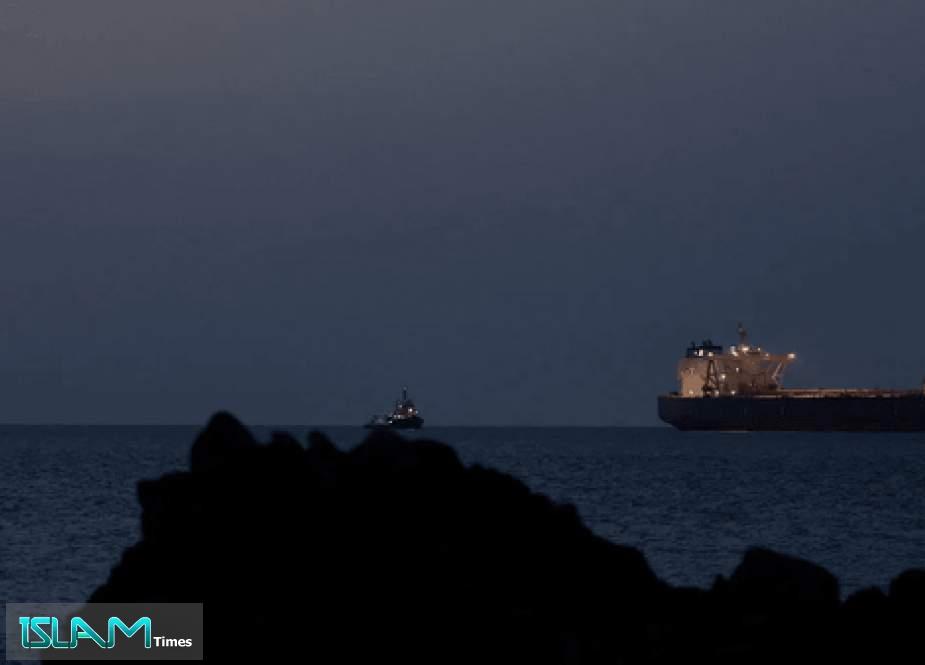
The Guardian reported that Iran’s foreign ministry denounced U.S. bombings aimed at missile launchers and efforts to lay fresh mines in the strait of Hormuz as "an act of bad faith" and "a definitive violation of the ceasefire," while saying it would not leave aggression unanswered.
Even as the Guardian said the attack killed four Iranian soldiers, it also reported that the proposed peace agreement between Iran and the U.S. seemed to remain on the table under joint mediation of Pakistan and Qatar.
Competing narratives
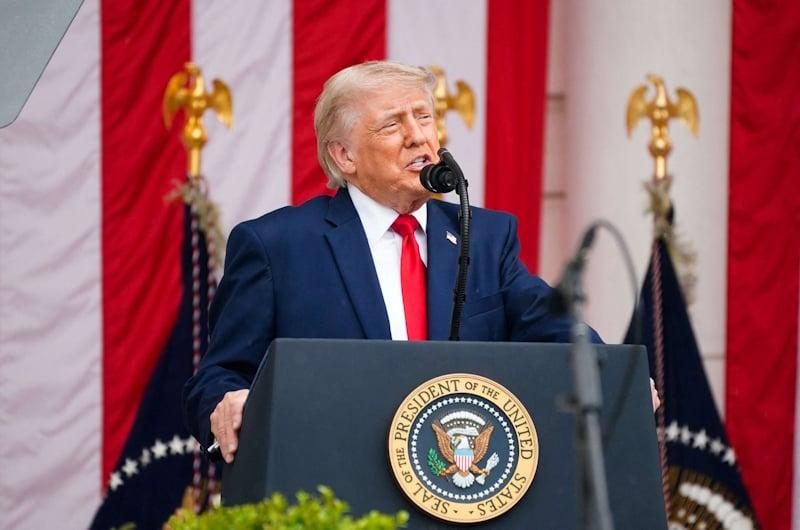
On the U.S. side, Trump told reporters at a White House cabinet meeting that "Iran is very much intent, they want very much to make a deal," but he said "we're not satisfied with it" and warned, "we will be either that or we'll have to just finish the job."
The White House also rejected a report on Iranian state television, saying the cited memorandum was "a complete fabrication" and that "This report from Iranian controlled media is not true".
In contrast, the Guardian said Iran’s foreign ministry denounced the bombings as "a definitive violation of the ceasefire" while also insisting it would not pull out of talks continuing under Pakistan and Qatar mediation.
Democracy Now! featured Iranian American journalist Negar Mortazavi describing the ceasefire as "chaotic" and saying it "has been violated from day one," while also arguing that Israel’s continuous attacks on southern Lebanon were delaying attempts to end the war.
Mortazavi said the escalation would "harm the final outcome and narrow the path to a final agreement," as she discussed the U.S. sinking two Iranian ships in the Strait of Hormuz and Iran’s Islamic Revolutionary Guard Corps shooting down a U.S. Reaper drone.
What’s at stake next
The Guardian described a brief agreement that would end the war but not delineate the peace, with a 60-day period set aside to negotiate fresh constraints on Iran’s nuclear programme and a separate 30-day timeframe for the U.S. to lift the blockade of Iranian oil ports and for Iran to allow commercial shipping through the strait of Hormuz.
It also said the consultations in Qatar focused on unlocking more than $12bn (£9bn) in frozen Iranian assets, with Iran’s parliamentary speaker and chief negotiator Mohammad Bagher Ghalibaf remaining in Doha for a second day trying to agree the means.
The Independent reported that Iran said it would sign a peace agreement only if Washington released $24 billion (£17.8 bn) in frozen Iranian assets, while Ali Bagheri Kani told reporters, "As long as we have not agreed on all issues, we consider that nothing has been agreed."
In the same reporting stream, the Guardian said Mahmoud Nabavian insisted no agreement should relinquish Iranian control of the strait, while it also noted that the agreement’s political sensitivity was heightened by pressure on negotiators not to make more concessions.
CBS News added that Rubio said talks on reopening the strait and extending the ceasefire would take several more days, and that Iran’s Revolutionary Guard official warned Iran would stand ready against any attack, saying "Do not doubt that we will turn the area from Chabahar to Mahshahr into a graveyard for aggressors."
More on Iran

Iranians Reconnect After 88-Day Internet Shutdown as Masoud Pezeshkian Orders Access Restored
17 sources compared
Ali Akbar Velayati Says Strait of Hormuz Is Iran’s Real Guarantor of Nuclear Deal
15 sources compared
Donald Trump Says US Not Satisfied With Iran Talks, Demands Gulf Normalization With Israel
23 sources compared
Donald Trump Threatens To Blow Up Oman Over Iran Collaboration For Strait Of Hormuz Control
24 sources compared