
United States Strikes Iran Water Reservoirs After Apache Helicopter Downed Near Strait of Hormuz
Key Takeaways
- U.S. airstrikes damaged two water reservoirs in southern Iran, cutting drinking water for about 20,000.
- Iran says the attack deliberately targeted civilian water infrastructure, calling it a war crime.
- Strikes followed the downing of a U.S. Apache near Hormuz, calling actions defensive.
Water strikes after helicopter downing
The United States and Iran exchanged strikes after a U.S. Apache helicopter was downed near the Strait of Hormuz, with the U.S. launching waves of attacks starting late on Tuesday and Iran retaliating by hitting U.S. military bases in the Gulf.
“The United States and Iran engaged in some of the most intense fighting overnight since all-out hostilities in the ongoing US‑Israeli war on Iran were halted with a Pakistan‑mediated temporary ceasefire on April 8”
Al Jazeera reported that Iran’s Islamic Revolutionary Guard Corps said U.S. strikes hit targets including Sirik, Jask, Minab, Qeshm Island and the port of Bandar Abbas, and that Iran’s officials said civilian infrastructure was also damaged, including two water reservoirs.

Iran’s West Asia News Agency (WANA) said the attacks hit two concrete water storage reservoirs in the Bamani district in the Sirik County of Hormozgan Province, and it framed the damage as occurring in a context of a severe water shortage.
The BBC described the U.S. strikes as defensive and targeting several sites across the country, and it said Iranian media reported explosions in southern Iran near the Strait of Hormuz, including Minab, Sirik and Qeshm Island.
The immediate impact was described in the sources as damage to water reservoirs in Sirik, with Al Jazeera noting that the reservoirs provide drinking water to more than 20,000 residents in the city of Kouhestak and 10 surrounding villages.
Iran calls it a war crime
Iran’s Foreign Ministry spokesman Esmaeil Baqaei accused the United States of “deliberately” targeting civilian water infrastructure in southern Iran, saying the attack deprived thousands of residents of access to drinking water.
In Baqaei’s account, the U.S. strike destroyed two water reservoirs with a combined capacity of 2,500 cubic meters and supplied drinking water to more than 20,000 residents across 10 villages, and he called it “a calculated war crime and a flagrant violation of human rights and international humanitarian law.”

The BBC reported that Trump said the United States would strike Iran “with force,” and it quoted him saying, “We delivered a strong blow to them yesterday, and we will deliver a strong blow again today.”
On the U.S. side, CENTCOM described the strikes as defensive and targeting several sites, and it said the response was to “ongoing and unjustified Iranian aggression,” as described in its post on X.
The sources also tied the escalation to mediation efforts, with the BBC saying Trump renewed his call for Iran “to sign a deal,” while Iranian President Masoud Bezhkian said Iran “will stand firm against any pressure or threat.”
What’s at risk next
The dispute over water infrastructure is presented in the sources as a direct threat to access to drinking water in Sirik, where Iranian state media said the strikes damaged two reservoirs supplying the Bemani and Kouhestak areas and left 20,000 residents without access to safe drinking water.
Iran’s state television, as quoted in myRepublica, said “20,000 residents of the region have lost access to safe drinking water,” and it added that temperatures ranging between 45 and 50 degrees Celsius made conditions “extremely difficult and critical for local inhabitants.”
WANA’s account put the damage in financial terms, saying initial estimates placed the damage at between 140 and 150 billion tomans, equivalent to approximately $780,000 to $830,000 based on an exchange rate of 180,000 tomans per U.S. dollar.
The BBC framed the broader cycle of retaliation as ongoing, reporting that U.S. forces carried out strikes after Trump accused Iran of downing a U.S. Army helicopter and that the Iranian Revolutionary Guard Corps said it responded with strikes on American bases in the region.
With the sources describing both continued military exchanges and the water crisis in Sirik, the immediate stakes highlighted are the disruption of drinking water services and the ability to restore access through alternative measures while the conflict remains active.
More on Iran

U.S. Launches Self-Defense Strikes on Iran After Apache Helicopter Downed Near Strait of Hormuz
11 sources compared
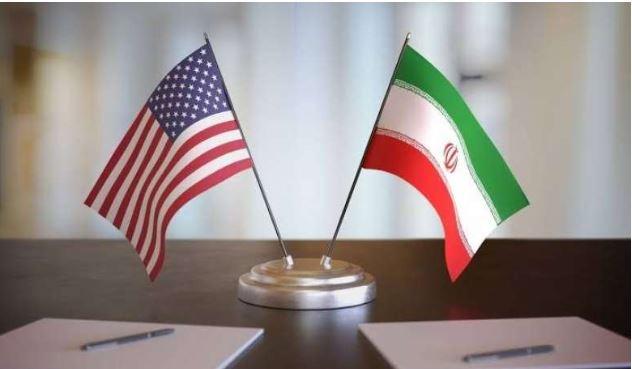
US Military Launches Self-Defense Strikes on Iran After Trump Vows to Hit Hard
11 sources compared
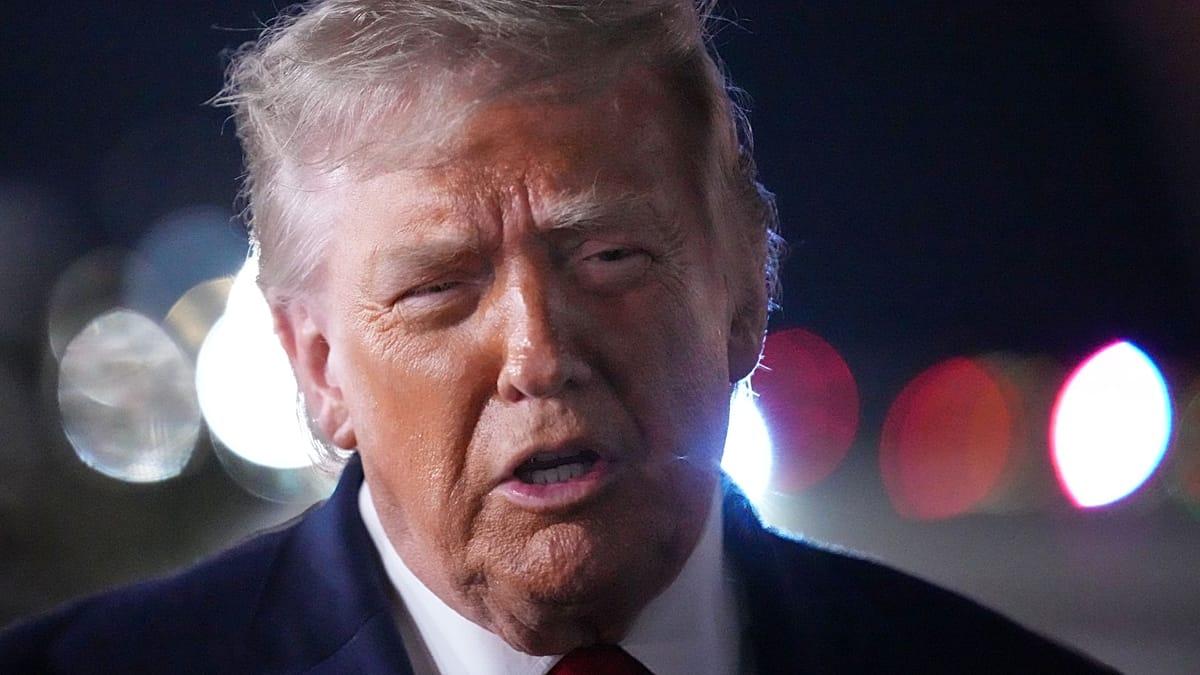
U.S. Military Launches More Strikes on Iran After Trump Vows to Hit Iran Hard
12 sources compared

Trump Orders US Strikes on Multiple Targets in Iran After Overnight Attacks
34 sources compared