U.S. Launches Self-Defense Strikes on Iran After Apache Helicopter Downed Near Strait of Hormuz
Key Takeaways
- U.S. self-defense strikes against Iran launched after Apache helicopter downed near Hormuz.
- Iran retaliated by striking U.S. bases across the Middle East.
- Iranian leaders warned of immediate, decisive retaliation for aggression.
Strikes and counterstrikes
The United States launched “self-defense strikes” against Iran at 5 p.m. ET Tuesday after a U.S. Army Apache helicopter was downed near the Strait of Hormuz, with CENTCOM saying the mission was “a proportional response to unjustified Iranian aggression.”
“Tehran, IRNA – Iran’s Islamic Revolution Guards Corps (IRGC) says its Aerospace Force has launched a missile attack on four military targets at the US al-Azraq Airbase in Jordan”
President Donald Trump blamed Iran for shooting down the helicopter while it was patrolling over the Strait of Hormuz and said, “Nevertheless, the United States must, of necessity, respond to this attack.”
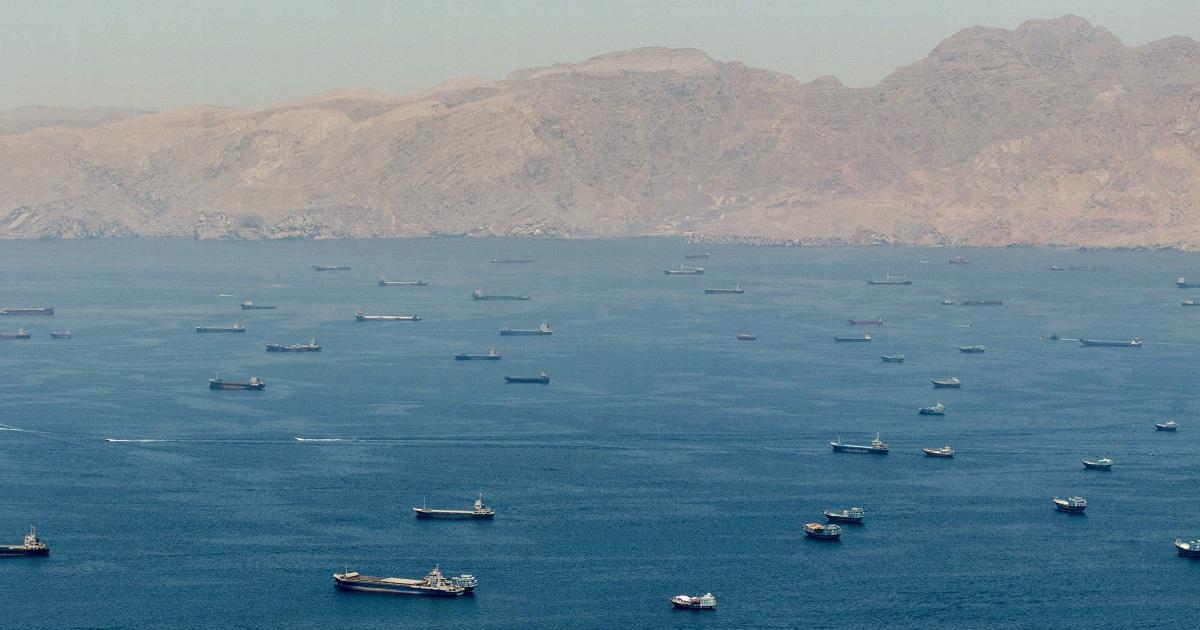
Iran’s Foreign Minister Abbas Araghchi wrote on X that foreign forces in proximity to Iran are at risk due to “their own human errors, plain accidents, or potentially being caught in crossfire,” and he said, “To reduce risk, best solution is for them to leave.”
Iran’s response to the U.S. strikes came as Iranian Revolutionary Guard statements described drone and missile attacks on the U.S. Navy’s 5th Fleet in Bahrain and missiles toward F35 fighter jet hangars and a command and control center of the U.S. Army in Al-Azraq, Jordan, according to Iranian state media.
Diplomacy and hostile rhetoric
Iran’s Foreign Minister Seyyed Abbas Araghchi told the Foreign Ministers of Turkey and Saudi Arabia in separate telephone conversations that Iran “reserves the right to respond to US aggression,” while condemning U.S. military aggression and the violation of Iran’s national sovereignty and territorial integrity.
In the same diplomatic framing, Araghchi emphasized the “inherent right of legitimate self-defense” for the reciprocal response of Iran’s “powerful armed forces,” as described by Taghrib News Agency.

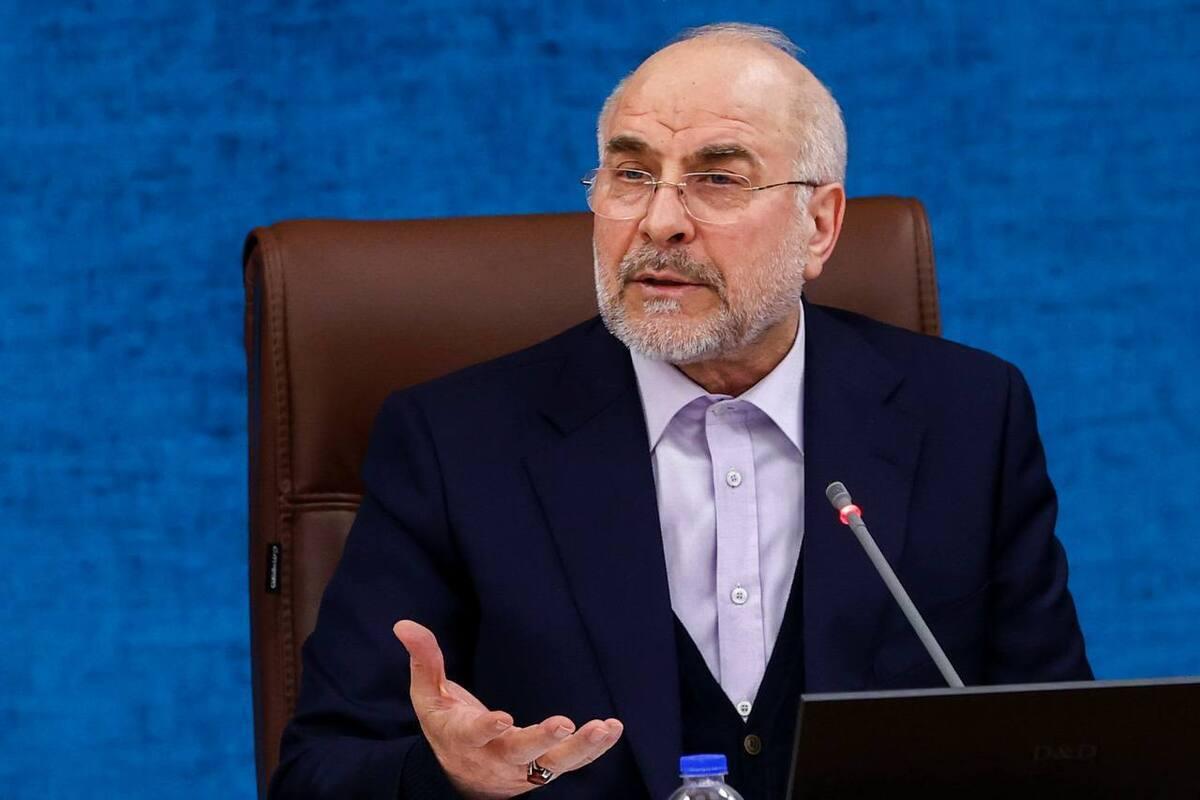
As the U.S. and Iran exchanged strikes, Iranian Parliament Speaker Mohammad Bagher Qalibaf posted on X that “our armed forces are ready to respond and teach a lesson in facing any aggression.”
The Hill reported that President Trump shared a “West Wing” clip dismissing “proportional response” after the U.S. launched anew round of strikes on Iran, and the article quoted the fictional Josiah Bartlet saying, “We don’t come back with a proportional response.”
Ceasefire strain and stakes
The ceasefire agreement between the United States and Iran had entered its 35th day in a row, but The Arab Television reported fears of a return to war after President Donald Trump said the ceasefire with Iran is “on the verge of collapse.”
The Arab Television also said the UN task force head Jorge Moreira da Silva warned, “We have only a few weeks to avoid what is likely to be a massive humanitarian crisis,” adding that the warning was of “a crisis that would force 45 million people to face famine.”
In parallel, the Pentagon announced on Tuesday that the cost of the war against Iran has risen to nearly $29 billion, about $4 billion higher than the estimate Defense Secretary Pete Hegseth gave two weeks earlier, according to The Arab Television.
Iranian officials continued to tie the next steps to retaliation and deterrence, with PressTV quoting Qalibaf stating, “Any aggression is answered with decisiveness and immediacy,” while also saying the “ultimate victory is near and the battle continues.”
More on Iran
U.S. Military Strikes Multiple Targets in Iran After Bahrain, Kuwait, Jordan Face Iranian Fire
12 sources compared

U.S. Launches Self-Defense Strikes on Iran After Apache Helicopter Downing Near Strait of Hormuz
14 sources compared
U.S. Military Strikes Multiple Targets in Iran After Trump Warns Tehran Will Pay Price
16 sources compared
U.S. Launches Self-Defense Strikes Against Multiple Targets in Iran After Helicopter Downing
12 sources compared