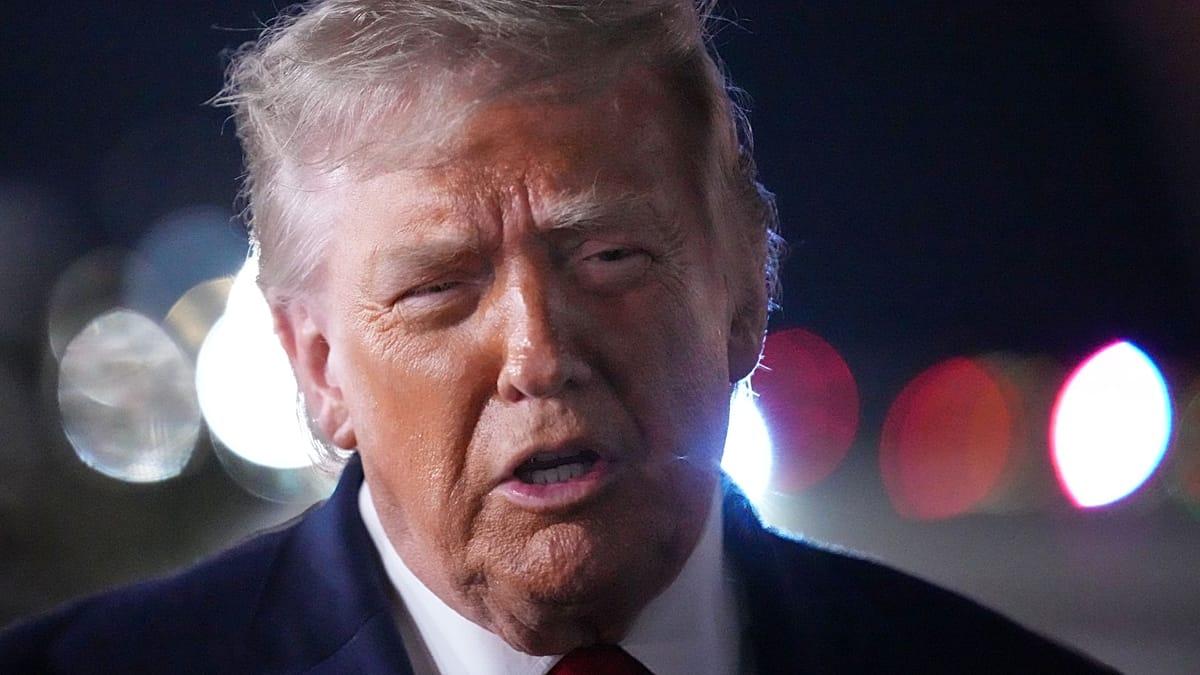
U.S. Military Strikes Multiple Targets in Iran After Bahrain, Kuwait, Jordan Face Iranian Fire
Key Takeaways
- The U.S. launched strikes on Iran targeting multiple sites, ordered by Trump.
- CENTCOM said strikes were in response to Iran's aggression.
- Iran previously fired missiles at U.S. assets in Kuwait, Bahrain, and Jordan.
US strikes resume in Iran
The U.S. military said Wednesday it began another round of strikes against Iran in the second day of renewed fire, with U.S. Central Command saying it was striking "multiple targets in Iran" in response to "Iran's unwarranted and continued aggression."
“US military says it’s striking ‘multiple targets’ in Iran in second day of renewed fire US military says it’s striking ‘multiple targets’ in Iran in second day of renewed fire DUBAI, United Arab Emirates (AP) — The U”
The escalation came hours after Bahrain, Kuwait and Jordan—countries that host U.S. troops—came under Iranian fire, and it was the third time this week that back-and-forth strikes tested a two-month ceasefire.
The AP reported the strikes followed a day after the U.S. struck Iran after the crash of an Army helicopter near the Strait of Hormuz that President Donald Trump blamed on the Islamic Republic.
The AP also said Iranian media reported explosions in Bandar Abbas, Sirik and Minab in the south of the country, while U.S. Central Command refuted Iran’s claims that the Strait of Hormuz is closed.
In the same reporting cycle, the AP said U.S. Central Command fired "precision munitions" into the engine room of the Palau-flagged vessel M/T Settebello as it attempted to breach the naval blockade, with India’s foreign ministry saying three Indian sailors were missing and 21 were rescued.
Trump, Hegseth, and Iravani trade threats
President Donald Trump warned Tehran would “pay the price” for stalled negotiations, and the U.S. Central Command said the strikes were being carried out "in response to Iran's unwarranted and continued aggression."
Defense Secretary Pete Hegseth told reporters that the U.S. would strike Iran "hard" Wednesday night, saying the Pentagon was "prepared to set the terms to ensure that we get the kind of deal President Trump expects."

In parallel, Ambassador Amir Saeid Iravani told the U.N. Security Council that "Iran has never negotiated under threats and pressure and will never submit to pressure or question," framing the U.S. approach as counterproductive.
The Washington Post’s analysis by Karen DeYoung described the exchange as potentially marking the end of a fragile ceasefire, quoting Trump’s social media line that "The Bully of the Middle East is dead."
NBC News reported that as the U.S. and Iran exchanged strikes, a civilian inside Iran told its newsletter that citizens were well aware of the political risks the war poses to President Donald Trump’s presidency.
Strait of Hormuz closure and stakes
The conflict’s immediate stakes centered on the Strait of Hormuz, where the U.S. Central Command said commercial ships are continuing to transit while Iranian officials and media reported explosions in southern cities.
CNBC reported that a few hours after the start of the U.S. strikes, Iran's Joint Chiefs of Staff announced the closure of the Strait of Hormuz to passage by all ships, and it said Brent crude rose above $95 per barrel in early trading.
In a separate account, the Al Jazeera-linked reporting described the Khatam al-Anbiya Headquarters announcing the closure of the Strait of Hormuz to all vessels, stating that "Any vessel attempting to pass through the Strait of Hormuz will be targeted."
The AP said the escalating attacks threatened to derail efforts to end the war, and it noted that the international benchmark for crude oil traded above $93 a barrel on Wednesday, up more than 25% since the start of the war.
As the U.S. and Iran continued trading blows, the AP reported that Iran’s United Nations envoy told the U.N. Security Council the U.S. should refrain from threats of force if it wants a deal, while the U.S. Central Command continued describing its actions as defensive.
More on USA

U.S. Launches Self-Defense Strikes on Iran After Apache Helicopter Downing Near Strait of Hormuz
14 sources compared
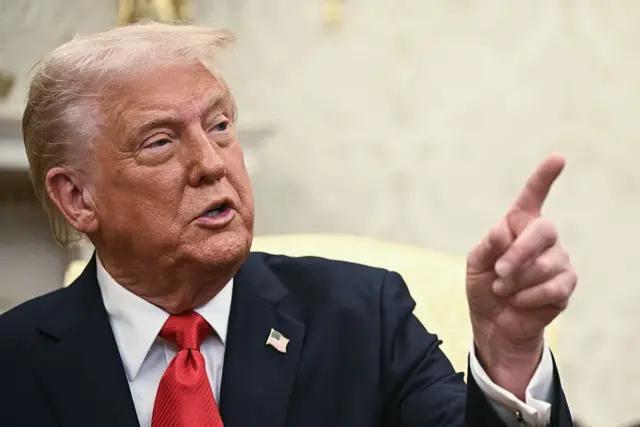
U.S. Military Strikes Multiple Targets in Iran After Trump Warns Tehran Will Pay Price
16 sources compared
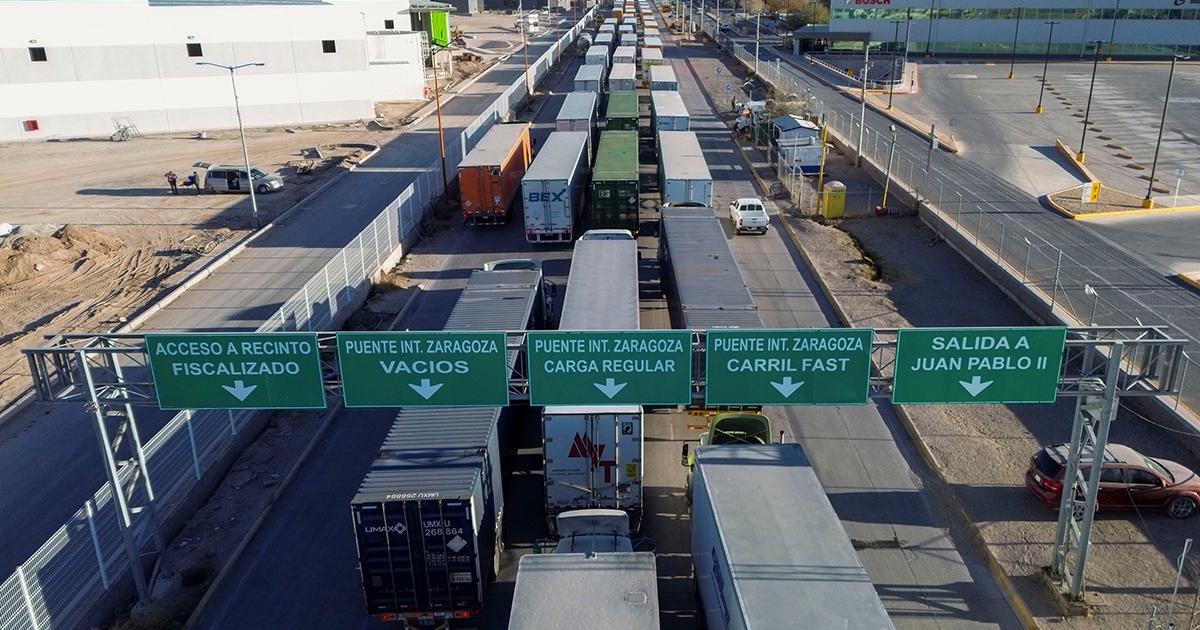
Trump Says He Won’t Renew USMCA, Threatens 100% Tariffs on Canada and Mexico
12 sources compared
U.S. Launches Self-Defense Strikes Against Multiple Targets in Iran After Helicopter Downing
12 sources compared