Full story
Strikes and counterclaims
The U.S. military said it began another round of strikes on Iran after President Donald Trump warned Tehran would “pay the price” for stalled negotiations, with U.S. Central Command saying it was striking “multiple targets in Iran.”
“US military says it’s striking ‘multiple targets’ in Iran in second day of renewed fire US military says it’s striking ‘multiple targets’ in Iran in second day of renewed fire DUBAI, United Arab Emirates (AP) — The U”
CENTCOM said the strikes were “in response to Iran’s unwarranted and continued aggression,” while Iranian media reported explosions in Bandar Abbas, Sirik and Minab in the south of the country.
The BBC reported that Iran’s Islamic Revolutionary Guards Corps (IRGC) said it struck ships in the Strait of Hormuz after the U.S. launched a new wave of strikes on Iran.
The BBC also said Centcom denied Iran’s claim that the Strait of Hormuz was “completely closed to all type of vessel,” adding that “commercial ships are continuing to transit in and out of the Strait of Hormuz”.
Trump, Hegseth, and diplomacy
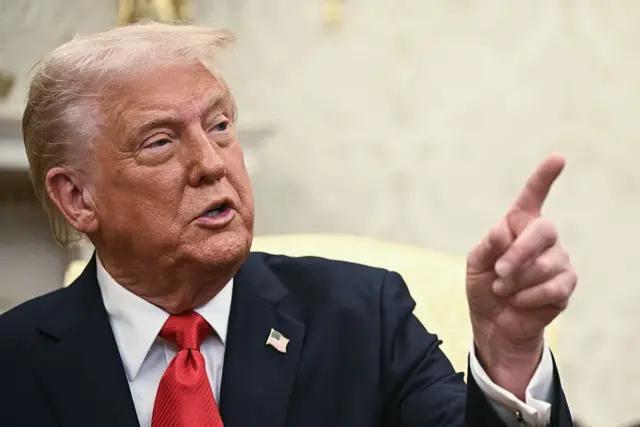
Defense Secretary Pete Hegseth told reporters at Central Command headquarters at MacDill Air Force Base in Tampa, Florida that “CENTCOM, Central Command will be busy tonight because President Trump said we will be hitting Iran hard.”
Hegseth also said the U.S. would hit Iran “very hard” again, and NBC News quoted Trump saying the U.S. will hit Iran “very hard” again today.
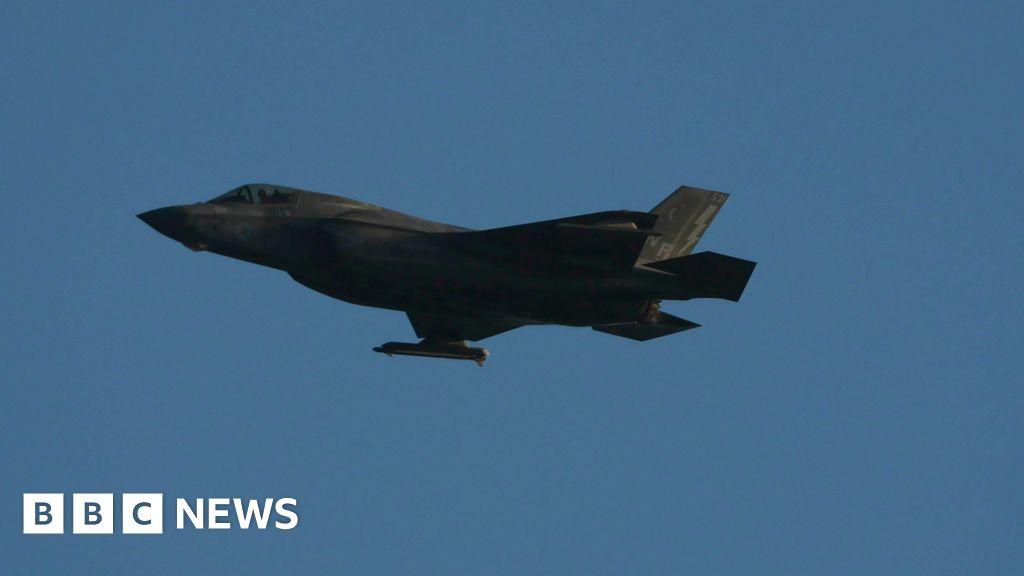
The BBC reported that Trump warned: “We hit them hard yesterday and we're going to hit them hard again today,” while also quoting Iran’s president Masoud Pezeshkian saying Iran “will stand firm against any pressure or threat.”
NPR reported that Iran’s United Nations envoy Amir Saeid Iravani told the U.N. Security Council, “Iran has never negotiated under threats and pressure and will never submit to pressure or question.”
What’s at stake next
The AP said the escalating attacks threatened to derail efforts to end the war, and it described the second day of American strikes as coming hours after Bahrain, Kuwait and Jordan—each hosting U.S. troops—came under Iranian fire.
“What to know about the Iran war today: - CENTCOM said the U”
AP reported that the conflict had already shaken the global economy since Feb. 28 attacks on Iran, with the international benchmark for crude oil traded above $93 a barrel on Wednesday, up more than 25% since the start of the war.
The Guardian said the U.S. strikes came as a two-month ceasefire appeared close to collapse, and it quoted Hegseth warning the U.S. would be “dropping on key facilities in Iran” to advance “our diplomatic position.”
The BBC said the ceasefire agreed in April had been tested by tit-for-tat airstrikes, and it reported that Iranian state media said the Strait of Hormuz was “completely closed to all type of vessel,” while Centcom said “commercial ships are continuing to transit in and out of the Strait of Hormuz”.


