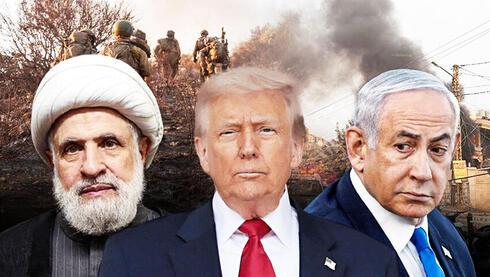
Trump Secured Netanyahu Agreement to Stop Attacks on Hezbollah in Beirut After Iran Threatened Talks
Key Takeaways
- Trump pressured Netanyahu to halt planned Hezbollah strikes in Beirut after Iran threatened talks.
- Hezbollah ready for immediate full ceasefire; Nabih Berri to guarantee implementation.
- Israel will not deploy troops to Beirut; all shooting expected to stop.
Ceasefire push in Lebanon
U.S. President Donald Trump pulled back Israeli Prime Minister Benjamin Netanyahu’s plan to bomb Hezbollah targets in Beirut’s southern suburbs after Iran threatened to abandon negotiations with the U.S. over Israel’s actions in Lebanon, and an Israeli official told Axios the planned strikes on Beirut would not be happening.
Trump said after his call with Netanyahu that the Iran negotiations "are continuing, at a rapid pace," while Netanyahu and Defense Minister Israel Katz threatened to bomb Hezbollah targets in the Dahieh district of Beirut "following repeated violations of the ceasefire" by the Iran-backed group.
In response, Iranian Foreign Minister Abbas Araghchi warned on X that Israel’s actions in Lebanon were a violation of the U.S.-Iran ceasefire and that the U.S. and Israel would bear "the consequences of any violation."
The Lebanese embassy in Washington later announced that Hezbollah accepted a U.S. proposal for a "mutual cessation of attacks," and that Trump told the Lebanese ambassador he’d secured Netanyahu’s agreement.
Talks between Israeli and Lebanese diplomats planned for Tuesday in Washington were set to take place as planned, according to a U.S. official, even as Israel appeared poised to proceed with massive strikes.
Voices and competing frames
Trump declared on Truth Social that Hezbollah had agreed that "all shooting will stop" after what he described as a “very good call” with senior representatives, while also saying he held a “very productive” call with Netanyahu.
Netanyahu later said he told Trump that "if Hezbollah doesn't stop attacking our towns and citizens - Israel will attack terror targets in Beirut," and the IDF issued an Arabic-language warning urging residents of Dahieh to leave for their safety.

Axios reported that Lebanese Parliament Speaker Nabih Berri told the Trump administration Sunday that Hezbollah was ready for a full and immediate ceasefire and that he would guarantee its implementation, citing Berri’s top adviser Ali Hamdan.
Hamdan told Axios, "I called the US ambassador to Beirut, Michel Issa, on Sunday and told him on behalf of Speaker Berri that Hezbollah will be ready to totally commit to a comprehensive ceasefire," while the same reporting said U.S. officials did not think Netanyahu would agree.
The Jerusalem Post framed the exchange as an Israeli commitment to stop attacking Hezbollah while Hezbollah agreed to stop shooting, quoting Trump’s claim that "That Israel will not attack them, and they will not attack Israel."
What’s at stake next
The proposed ceasefire arrangement described by U.S. media hinged on Israel suspending planned attacks on Beirut in exchange for Hezbollah halting its attacks on Israel, with the Lebanese embassy in Washington saying the ceasefire framework would be expanded to encompass "all Lebanese territories."
Israeli officials told Reuters that Israel would be waiting for Trump’s final approval before any operation in Beirut’s southern suburbs, and the same reporting said the proposal was for no Hezbollah attacks on northern Israel with Israel not bombing Beirut.
Hamdan told Axios that "Speaker Berri's reply was, "Why a partial ceasefire? Let's have a full ceasefire,"" while an unnamed Axios source said U.S. officials told Berri Netanyahu was unlikely to agree.
Iran’s semi-official Tasnim news agency reported that Tehran’s negotiating team was suspending indirect exchanges with the United States through mediators in protest of Israeli actions in Lebanon, and Abbas Araghchi warned on X that Washington and Israel would bear "the consequences of any violation."
The escalation also threatened to complicate efforts to end the war with Iran, as Tasnim said Iran and its "Axis of Resistance" were prepared to retaliate in the Strait of Hormuz and activate other fronts, including the Bab el-Mandeb Strait in the Red Sea.
More on Lebanon

Trump Says Israel and Hezbollah Agree to Stop All Shooting After Netanyahu Talks
16 sources compared
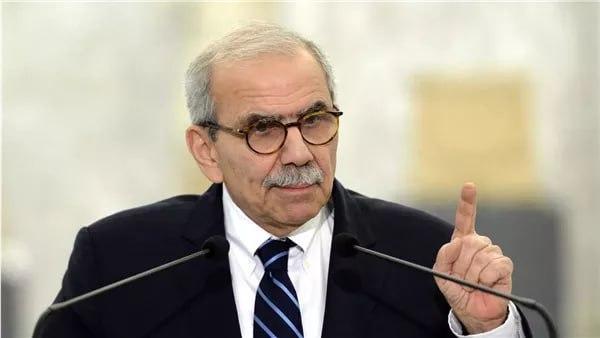
Joseph Aoun Chooses Direct Negotiations With Israel To Save Lebanon During Ceasefire
13 sources compared

Iran Suspends U.S. Talks Over Israel’s Lebanon Offensive as Trump Orders No Troops to Beirut
29 sources compared
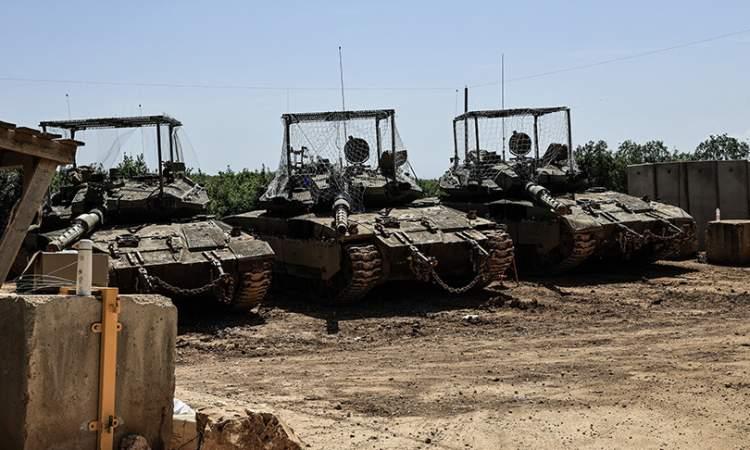
Hezbollah Targets Merkava Tanks East of Yahmor Al-Shuqayf and Near Dibin
11 sources compared