
Trump threatens NATO allies over Strait of Hormuz help
Key Takeaways
- Trump urged NATO and other nations to send warships to secure the Strait of Hormuz.
- Iran's war enters its third week amid oil near $105 per barrel.
- Trump named China, France, Japan, South Korea and the United Kingdom for naval help.
Trump pressure over Hormuz
With the Iran war entering a third week and the price of oil reaching nearly $105 a barrel on Monday, President Trump again urged NATO, China and other nations to help the U.S. secure the vital Strait of Hormuz.
“Trump threatens NATO allies over Strait of Hormuz help With the Iran war entering a third week and the price of oil reaching nearly $105 a barrel on Monday, President Trump again urged NATO, China and other nations to help the U”
On Saturday, Trump had called on China, France, Japan, South Korea, the United Kingdom and others to send warships to the key shipping route, which Iran has been blocking since the war and where about a fifth of the world's oil supplies typically pass through.
None of the countries have publicly committed to Trump's request — with some rejecting it outright — after the president upped the ante in an interview with the Financial Times late Sunday, saying their failure to do so would be very bad for the future of NATO.
Global responses and diplomacy
Trump said he had asked seven countries to help escort ships through the Strait of Hormuz and said some had agreed, although he did not name them.
He said it was in these countries' interests to help, including China, which is heavily reliant on the Strait of Hormuz for its oil supply.
He also said the U.S. would remember if NATO counterparts didn't help.
EU foreign policy chief Kaja Kallas said Monday she had spoken to UN Secretary-General António Guterres about how to unblock the strait, saying it is in everyone's interest to keep the Strait of Hormuz open and that Europe is discussing steps from the European side.
UK Prime Minister Keir Starmer said he would work with allies on a plan to reopen the Strait of Hormuz, but it won't be a NATO mission, and he has given the U.S. only limited access to British bases for defensive operations; most Britons oppose the war.
China has said only that keeping the Strait open is important for international trade, with the ministry of foreign affairs urging an end to hostilities and saying it is in contact with all parties but did not specify how it would help.
The president is due to visit China at the end of the month, but has suggested the trip could be called off depending on Beijing's decision on the deployment of warships.
South Korea said it was considering Trump's request, but Japan is bound by laws that strictly limit overseas military deployments and has suggested that operations in the Strait of Hormuz might not pass legal muster.
Prime Minister Sanae Takaichi told parliament that we have not made any decisions whatsoever about dispatching escort ships and we are continuing to examine what Japan can do independently and what can be done within the legal framework.
Australia said it has not been asked to contribute and will not be sending ships.
Israel-Hezbollah conflict developments
Israel Defense Forces said Monday they had begun limited and targeted ground operations against key Hezbollah strongholds in southern Lebanon, aimed at enhancing the forward defense area.
“Trump threatens NATO allies over Strait of Hormuz help With the Iran war entering a third week and the price of oil reaching nearly $105 a barrel on Monday, President Trump again urged NATO, China and other nations to help the U”
There were also reports of heavy bombing in Tehran.
The Israeli military also said it had detected Iranian missile strikes toward Israel and urged people in affected areas to seek shelter.
Meanwhile, Iran continues to target its Gulf neighbors, despite Iran's foreign minister denying Sunday that his country was targeting civilian infrastructure.
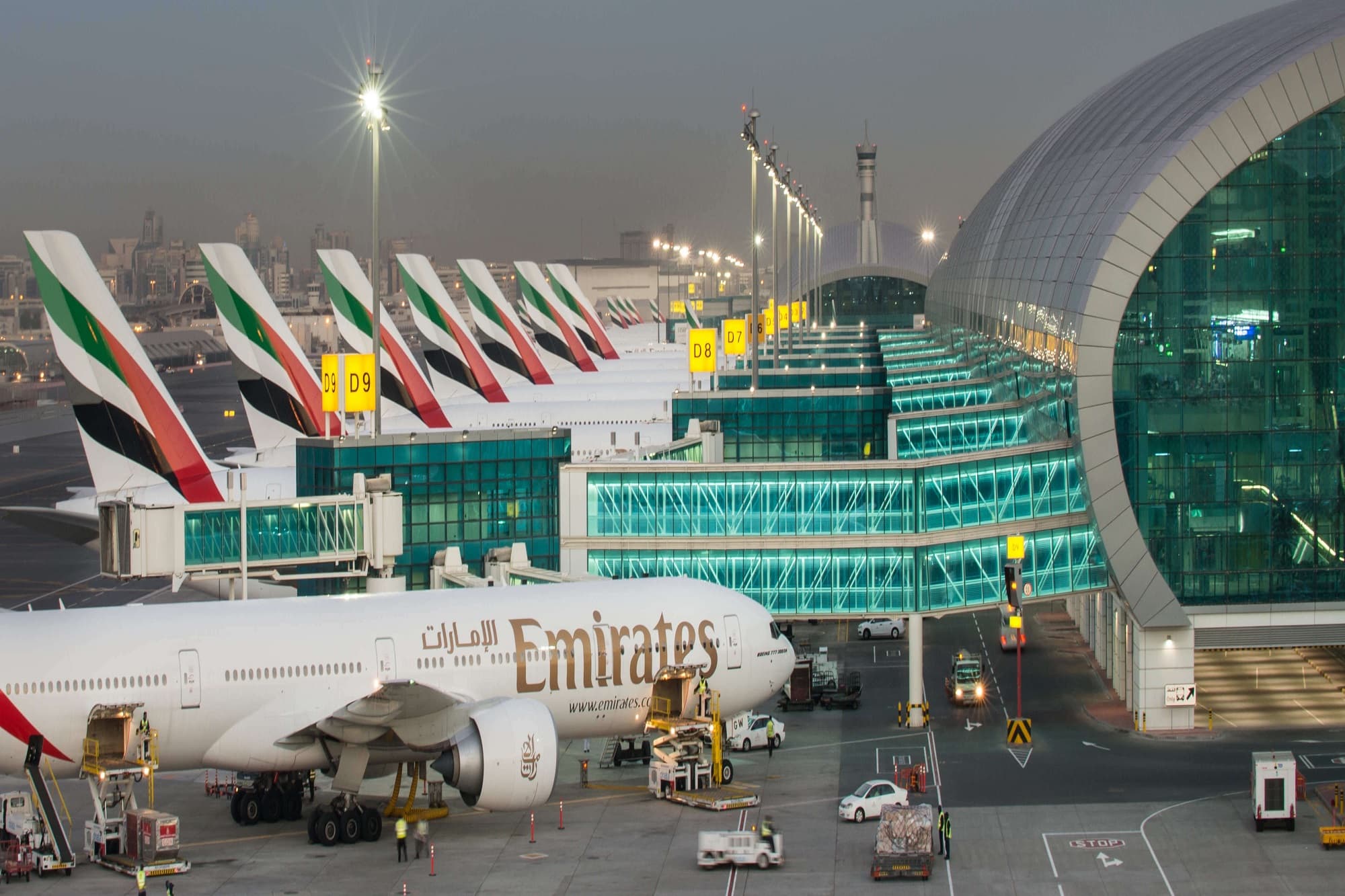
Dubai International Airport said a drone had hit a fuel tank on Monday, causing a fire.
While no injuries were reported, the airport briefly suspended operations and Emirates Airlines suspended flights.
Saudi Arabia also said it had come under attack by dozens of drones, which it had downed.
Humanitarian toll and casualties
The humanitarian toll of the conflict has continued to rise.
So far, 13 U.S. service members and at least 12 Israeli civilians have died.
More than 1,200 Iranian civilians have been killed and up to 3.2 million temporarily displaced.
In Lebanon, more than 800 people have been killed and more than 800,000 displaced.
More on Iran
Iranian Drone Strike Shuts Dubai International Airport, Thousands Stranded
25 sources compared

Iran Drone Strike Shuts Dubai International Airport, Triggers Global Travel Disruption
16 sources compared

Iran's New Supreme Leader Mojtaba Khamenei Travels to Moscow for Leg Surgery
15 sources compared

Trump Threatens to Delay Xi Summit Over Iran War and Strait of Hormuz
21 sources compared