
Iran Threatens to Strike Gulf Energy and Water Facilities After Trump's Strait of Hormuz Ultimatum.
Key Takeaways
- Trump's 48-hour ultimatum threatens to destroy Iran's power grid if Hormuz is not reopened.
- Iran vows to target Gulf energy and desalination facilities if attacked.
- Strait of Hormuz carries about one-fifth of global oil and LNG shipments.
Ultimatum and Escalation
Iran has escalated tensions in the Middle East by threatening to strike energy and water infrastructure across the Gulf region after US President Donald Trump issued a 48-hour ultimatum demanding the reopening of the strategically vital Strait of Hormuz.
“Potential consequences of US strikes on Iranian energy Executive vice president of the Quincy Institute Trita Parsi explains what a broader U”
Trump warned that Washington would 'obliterate' Iran's power plants unless Tehran fully reopened the waterway through which a fifth of the world's oil is shipped, setting a deadline of around 7:44 PM EDT on Monday.

Iranian military spokesman Ebrahim Zolfaghari responded that if Iran's fuel and energy infrastructure is attacked, 'all energy infrastructure, as well as information technology...and water desalination facilities, belonging to the US and the regime in the region will be targeted pursuant to previous warnings.'
Iranian Parliament Speaker Mohammad Baqer Qalibaf amplified the threat, stating that key infrastructure in the Middle East could be 'irreversibly destroyed' if Iranian power plants are hit.
The Islamic Revolutionary Guard Corps further warned that the Strait of Hormuz would remain closed indefinitely in the event of such an escalation, declaring 'The Strait of Hormuz will be completely closed and will not be opened until our destroyed power plants are rebuilt.'
Humanitarian Concerns
The potential targeting of desalination facilities has raised serious humanitarian concerns, as these plants provide nearly all drinking water in Bahrain and Qatar, and a large share in the United Arab Emirates and Saudi Arabia.
Iran's semiofficial Fars news agency, which is close to the Revolutionary Guard, published a list of potential targets including the United Arab Emirates' nuclear power plant.

A UN official and Iranian scientist, Kaveh Madani, warned that desalination plants across the region could be hit 'within the next few days,' potentially creating a broader regional water crisis.
Madani emphasized that 'The driest region of the world might see a real water war, but the knock-on effects on the world's economy, including the U.S., will be both immediate and lasting.'
Iranian officials have already accused the US of hitting one of their desalination plants in the war, with Foreign Minister Abbas Araghchi stating 'The US set this precedent, not Iran.'
The interconnected nature of Gulf energy industries and water desalination systems means that attacks on power plants could simultaneously disrupt water supplies, electricity distribution, and healthcare services across the region.
Global Economic Impact
The conflict has already severely disrupted global energy markets, with the International Energy Agency (IEA) warning that the current crisis is worse than the 1970s oil shocks.
“As a result of these incidents, several Palestinians were injured and evacuated for medical treatment”
IEA chief Fatih Birol stated that 'No country will be immune to the effects of this crisis if it continues to go in this direction,' noting that 11 million barrels of oil are currently lost daily — more than during two consecutive oil crises in the 1970s.
Birol also revealed that at least 40 energy assets across the oil- and gas-exporting region have been 'severely or very severely damaged' in the conflict.
The economic impact is already being felt worldwide, with Asian markets tumbling as the benchmark Kospi index in South Korea ended down about 6.5%, Japan's Nikkei 225 closed down almost 3.5%, and European markets also sharply lower.
The blockade of the Strait of Hormuz has created an unprecedented disruption combining multiple shocks to oil and gas supplies, with Birol describing it as 'two oil crises and one gas crash put all together.'
International Response
International efforts to address the crisis have been ongoing, with British Prime Minister Keir Starmer and Trump discussing the situation in a phone call, agreeing that reopening the Strait of Hormuz was 'essential to ensure stability in the global energy market.'
NATO Secretary General Mark Rutte stated he was 'absolutely convinced' that the alliance will be able to reopen the strait, though he explained that the secret nature of military operations required time to coordinate responses.
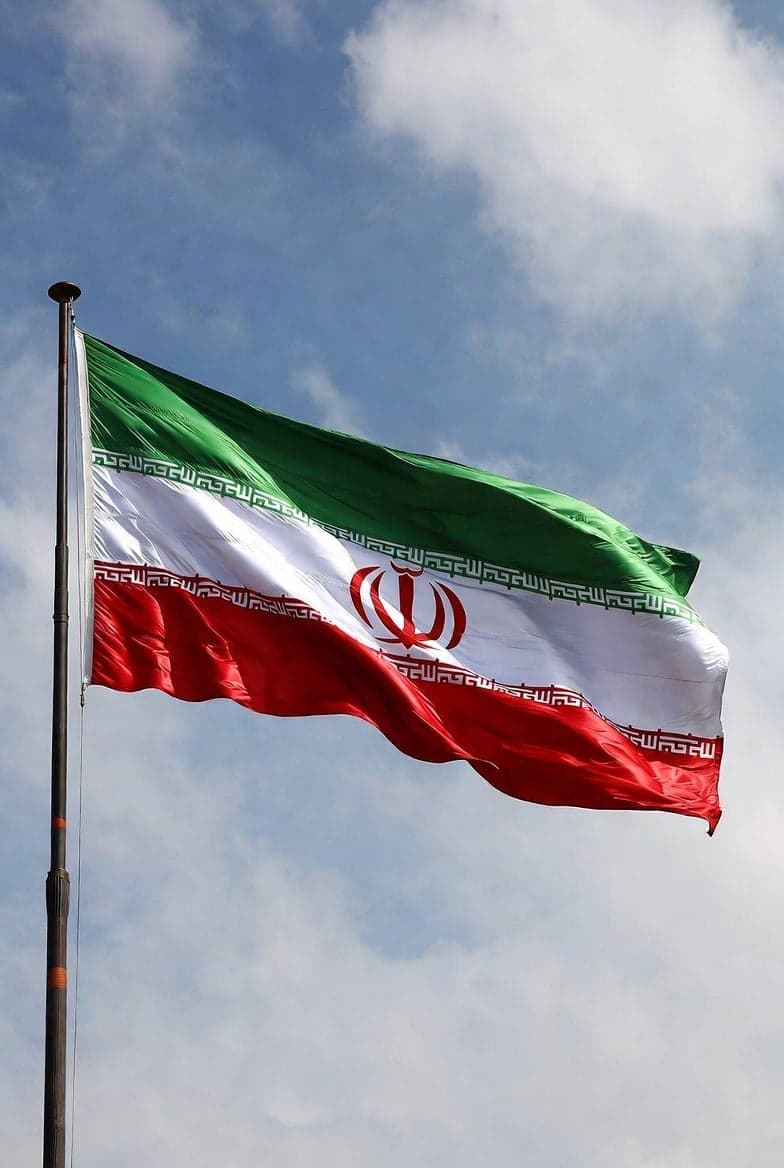
Meanwhile, Iran has dismissed Trump's ultimatum, with Foreign Minister Abbas Araghchi claiming the strait remains open but that ships hesitate due to 'insurers' fears about the war,' blaming the U.S. for creating those fears.
The conflict has also expanded beyond Iran, with fighting spreading to Lebanon where Hezbollah has exchanged fire with Israeli forces.
The overall death toll has risen to more than 2,000 people since the conflict began on February 28, according to Reuters, with the war now entering its fourth week and showing no signs of winding down as both sides continue to escalate their threats and military actions.
Escalating Rhetoric
As the deadline approached, both sides hardened their positions, with Iran's Defense Council warning against any ground invasion, stating that any attempt to target Iran's coasts or islands would lead to 'the mining of all access routes... in the Persian Gulf and along the coasts.'
The US military has also escalated its rhetoric, with Central Command chief Adm. Brad Cooper claiming Iran was launching missiles and drones from populated areas and suggesting those areas would be targeted, telling Iranian civilians 'You need to stay inside for now.'

Cooper also stated that the campaign against Iran was 'ahead or on plan' and that the U.S. and Israel were targeting infrastructure and manufacturing facilities to destroy Iran's capabilities to rebuild its military.
Meanwhile, Iranian military doctrine appears to have shifted from defensive to offensive, with Ali Abdollahi Aliabadi, Commander of Iran's Khatam al-Anbiya Central Headquarters, stating that the armed forces' military doctrine had 'changed from defensive to offensive' and that 'battlefield tactics' had been adjusted accordingly.
The spiraling rhetoric and military posturing indicate that the conflict could escalate further, with potentially catastrophic repercussions for civilians across the region and global energy markets.
More on Iran

US State Department Warns Americans Worldwide of Possible Attacks Amid War With Iran
14 sources compared

Iran Threatens to Hit Gulf Power Plants and Mine Persian Gulf Waters
14 sources compared
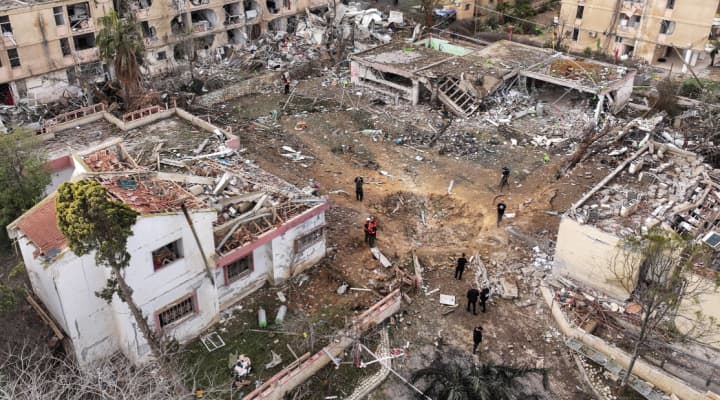
Iranian Missiles Strike Dimona and Arad Near Negev Nuclear Research Center, Injuring Over 160
21 sources compared

President Donald Trump threatens to destroy Iranian power plants if Hormuz not opened
12 sources compared