
Trump Pressures NATO, China to Send Warships to Guard Strait of Hormuz
Key Takeaways
- Trump called on NATO allies and China to send warships to reopen Hormuz Strait.
- Several key allies offered no commitment or hesitated to commit to naval support.
- He said seven countries were contacted and may delay his China summit if needed.
International Pressure Campaign
President Donald Trump has intensified diplomatic pressure on multiple nations, including China, France, Japan, South Korea, Britain and other NATO allies, to send warships to the Strait of Hormuz amid escalating tensions with Iran.
The president made his appeal through social media posts and interviews, arguing that countries benefiting from the strait's oil shipments should share the responsibility of protecting this vital waterway.

He specifically highlighted China's dependency, noting that approximately 90 percent of China's oil passes through the strait, making its cooperation essential.
Trump warned that he might postpone his planned late-March summit with Chinese President Xi Jinping if Beijing does not act swiftly, declaring that 'waiting until the summit would be too late.'
The call reflects an urgent effort to secure the maritime chokepoint through which about one-fifth of global oil exports normally pass.
Allied Reluctance
Despite Trump's urgent appeals, the international community has responded with caution, with no firm commitments secured from the countries specifically named.
Energy Secretary Chris Wright acknowledged being 'in dialogue' with some countries but offered no guarantees of their participation.

China has shown particular reluctance, as Iran has not targeted Chinese shipping and has allowed Chinese vessels safe passage through the strait.
Japan, constrained by its pacifist constitution, has explicitly stated it has 'not made any decisions whatsoever about dispatching escort ships' and is still examining what actions it can take within legal frameworks.
Similarly, Australia confirmed it 'won't be sending a ship to the Strait of Hormuz,' stating it hasn't been asked to contribute naval assets.
Iran's Position
Iran has largely closed the Strait of Hormuz to America and its allies, with the Islamic Revolutionary Guard Corps declaring U.S.-affiliated facilities as 'legitimate targets.'
“Subscribing is the best way to get our best stories immediately”
Iranian Foreign Minister Abbas Araghchi told CBS News that Tehran has been 'approached by a number of countries' seeking safe passage for their vessels, but emphasized that decisions about passage 'are up to our military to decide.'
He confirmed that vessels from 'different countries' had been allowed to pass, though without providing specific details.
Iran maintains the strait is open to all except the United States and its allies, with Araghchi stating 'We don't see any reason why we should talk with Americans' about ending the war.
The country's new Supreme Leader Mojtaba Khamenei has called for the continued closure of the strait, which carries one-fifth of oil consumed globally, and pledged to open new fronts in the conflict with the United States and Israel.
Economic Impact
The closure of the Strait of Hormuz has had significant economic consequences, with international oil prices rising past $106 per barrel, up more than 3 percent in early trading.
The disruption has led to widespread rerouting of shipping vessels around the Cape of Good Hope, adding 3,500 nautical miles and weeks of delay to standard logistics.

The economic impact extends beyond energy markets, affecting goods from fertilizer to oil and gas.
Trump administration officials and GOP lawmakers have downplayed concerns over rising gas prices, but experts warn that any attack on shipping through the strait could suspend traffic and create additional economic turmoil.
Five tankers carrying LPG, LNG and crude have successfully transited the strait through apparent bilateral negotiations, indicating more flexible rather than absolute blockade policies from Iran.
Diplomatic Tensions
Trump's demands have created diplomatic friction between the United States and several European allies, with the president using blunt political pressure to secure cooperation.
He warned that a refusal by NATO members to participate would be 'very bad for the future of NATO,' invoking the alliance's past support for Ukraine as justification for reciprocal backing.

The tensions were evident when Trump dismissed Britain's offer to deploy aircraft carriers, saying 'We don't need people that join wars after we've already won!'
He also threatened to cut off trade with Spain after Madrid refused to allow US military aircraft to use jointly operated bases for strikes related to the conflict.
Meanwhile, Trump acknowledged that despite claims of having 'destroyed 100% of Iran's military capability,' Tehran retains the ability to disrupt shipping through relatively inexpensive asymmetric tactics such as sea mines and drones.
More on USA

FCC chair Brendan Carr Threatens Broadcasters' Licenses Over Iran War Coverage
18 sources compared

Cuba's Díaz-Canel Acknowledges Talks with U.S. as Energy Crisis Worsens
25 sources compared
Ric Grenell Steps Down as Kennedy Center President; Trump Names Replacement Matt Floca
10 sources compared
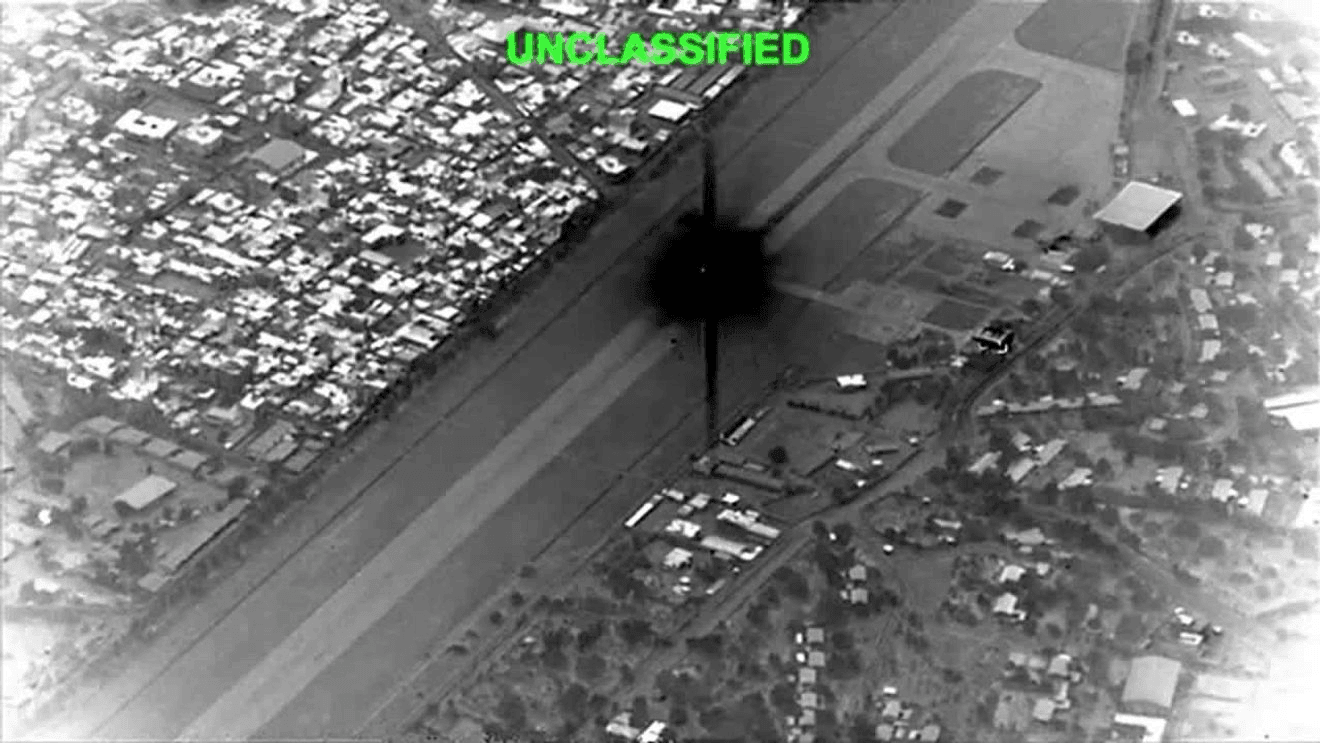
United States launches large-scale strike on Iran's Kharg Island, CENTCOM confirms.
14 sources compared