
Trump Weighs Easing Russia Oil Sanctions to Lower Prices Amid Iran War
Key Takeaways
- Trump is considering easing oil sanctions on Russia to curb rising global oil prices
- Trump may release emergency crude stockpiles as part of an options package
- Administration fears oil-price spikes from U.S. and Israeli strikes on Iran will harm U.S. businesses
U.S. fuel policy trade-off
The White House is considering a range of measures to try to ease a recent spike in U.S. oil and gasoline prices, according to Reuters reporting carried by the Union Leader.
“President Donald Trump is considering easing oil sanctions on Russia and releasing emergency crude stockpiles as part of a package of options aimed at curbing spiking global oil prices amid the Iran conflict, according to multiple sources”
The administration is also trying to keep pressure on Russia for its war in Ukraine.
The administration’s deliberations reflect a trade-off between lowering domestic fuel costs and depriving Russia of wartime revenue.
Officials are exploring different policy levers to address the market volatility.
Energy policy options
Officials are said to be weighing several specific options, according to reporting.
The menu under discussion ranges from easing some Russia sanctions — either broadly or in targeted ways — to a temporary waiver already issued to India.
Other potential steps include a coordinated release of crude from strategic petroleum reserves with G7 partners.
They are also considering intervening in oil futures markets.
Additional options under consideration are waiving federal fuel taxes or lifting parts of the Jones Act.
Strait of Hormuz outlook
Government officials and private analysts caution that few of those options offer quick relief.
“President Donald Trump is considering easing oil sanctions on Russia and releasing emergency crude stockpiles as part of a package of options aimed at curbing spiking global oil prices amid the Iran conflict, according to multiple sources”
Industry figures told Reuters that meaningful near-term reductions are unlikely unless tanker traffic through the Strait of Hormuz is restored.
A White House plan to offer naval escorts and backstop insurance has not materially increased shipments through that waterway, the reporting says.
Oil price and politics
Political calculations are central to the debate in Washington.
The spike in crude — which briefly approached about $119 a barrel after U.S. and Israeli strikes beginning Feb. 28 — comes at a politically sensitive moment for President Trump, who repeatedly underscores low fuel costs as part of his political messaging.
President Trump said he had a "very good call" with Vladimir Putin and asserted that large Venezuelan oil shipments were headed to Houston, comments that figure into the broader public narrative about energy supplies.
Energy relief outlook
Important uncertainties and constraints remain.
“President Donald Trump is considering easing oil sanctions on Russia and releasing emergency crude stockpiles as part of a package of options aimed at curbing spiking global oil prices amid the Iran conflict, according to multiple sources”
U.S. Energy Secretary Wright emphasized that export restrictions are not being considered.
Analysts warn that fixes tied to shipping security or coordinated strategic-reserve releases may not deliver rapid relief.
Note: the summary above is based solely on the Union Leader’s carry of Reuters reporting provided by the user.
No additional source material was supplied, so other perspectives cited in broader coverage could not be incorporated here.
More on Iran-Israel

Escalation in Iran Pushes Oil Near $120, Sparks Gas Price Surge in Los Angeles
10 sources compared
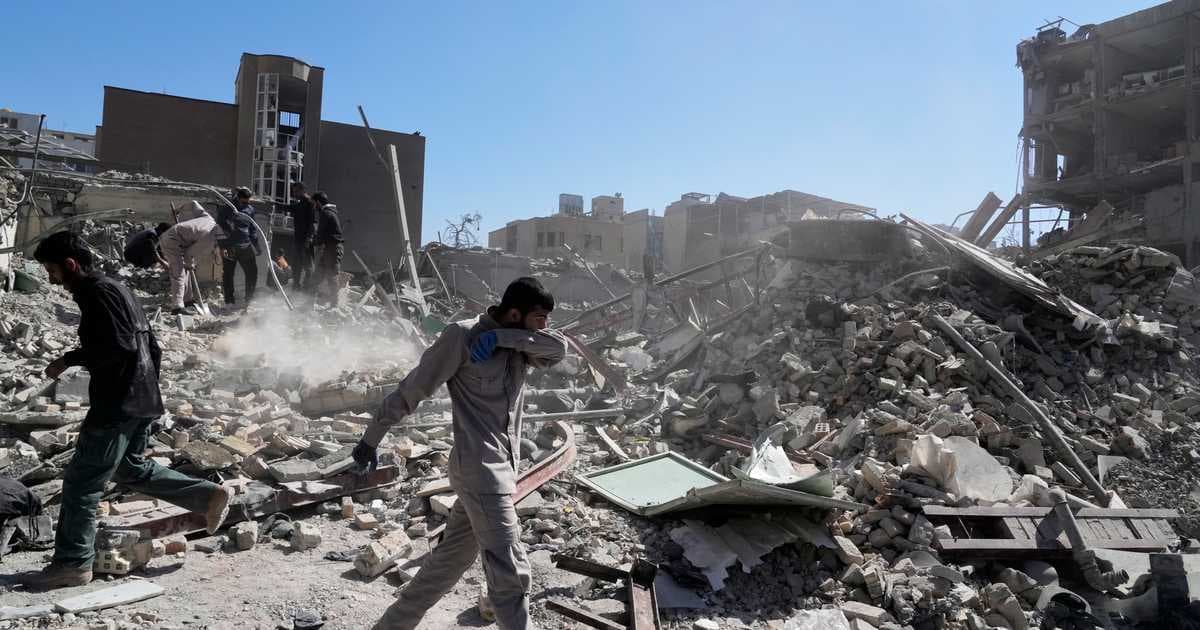
U.S. Intercepts Iran Message Activating Sleeper Cells After U.S.-Israel Strike Kills Khamenei
14 sources compared

Iran Threatens To Confiscate Property Of Iranians Abroad Who Support US And Israel
14 sources compared
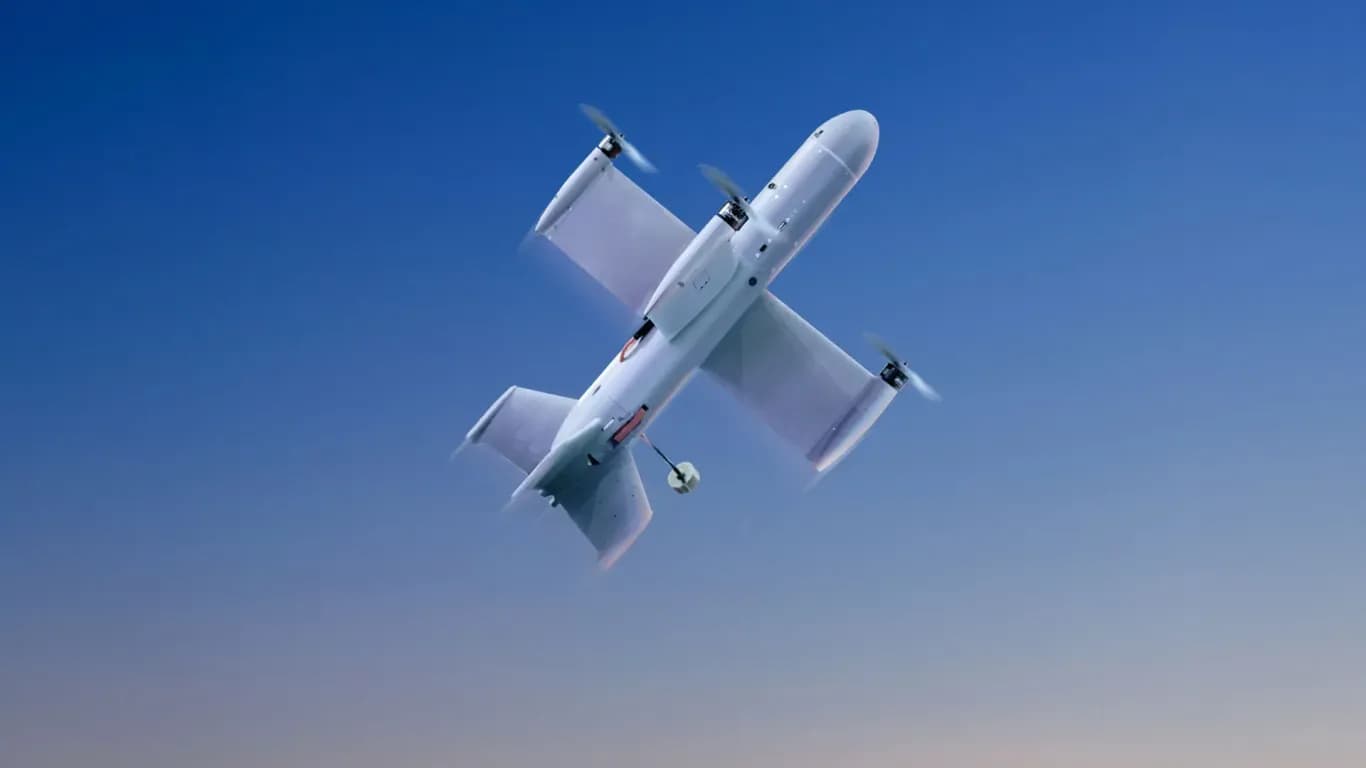
Ukraine Sends Drones, Experts to Shield U.S. Bases in Jordan From Iran
16 sources compared