Trump Presses Japan for Help in War With Iran
Key Takeaways
- Trump seeks Japan's help deploying ships to protect Strait of Hormuz amid Iran war
- Trump referenced Pearl Harbor; Takaichi visibly uneasy during the remark
- Japan balancing alliance commitments and pacifist constraints amid U.S. Iran-war push
Trump's Hormuz Demand
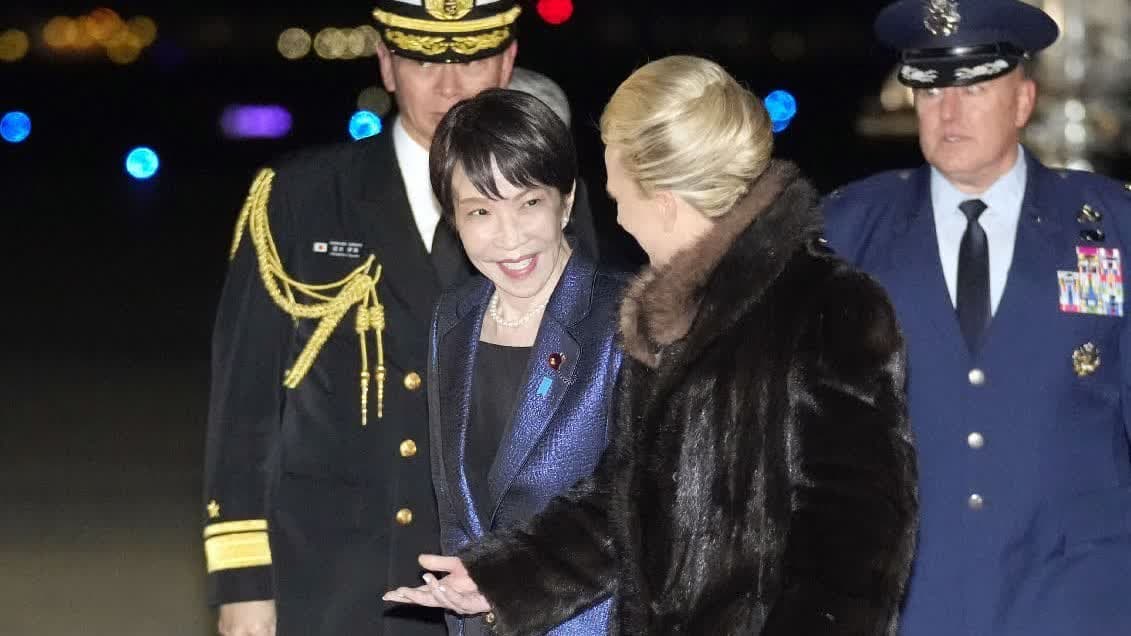
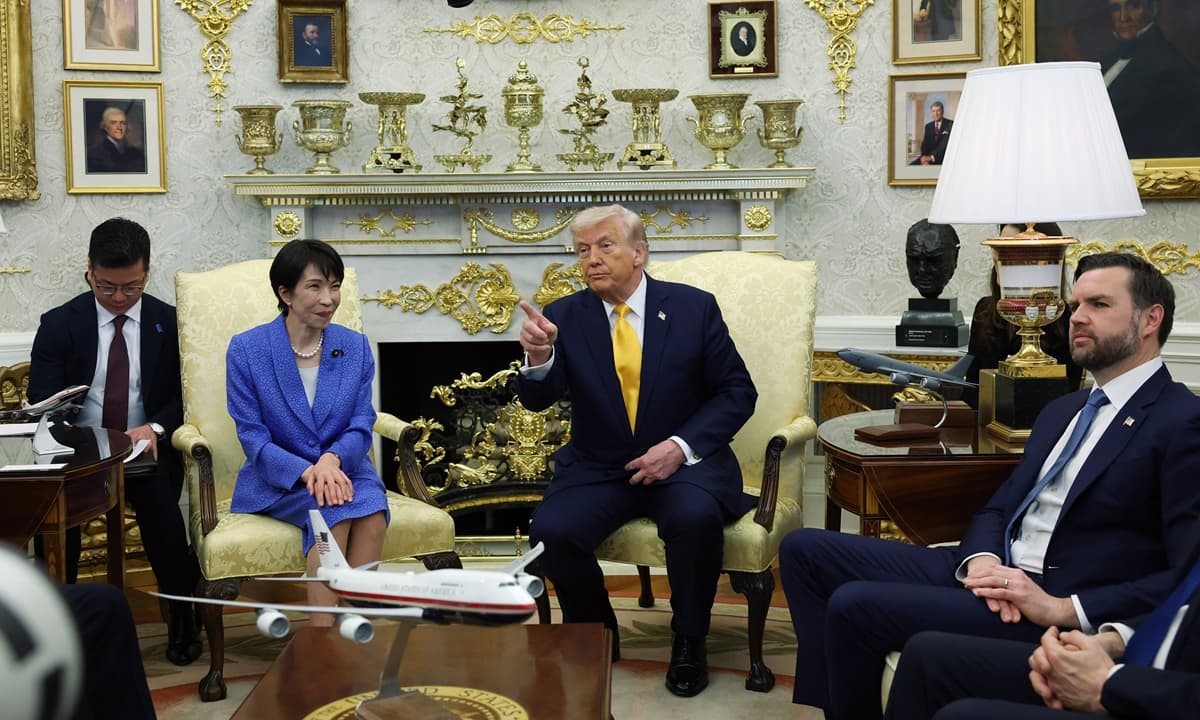
President Donald Trump pressed Japanese Prime Minister Sanae Takaichi for military assistance in the ongoing war with Iran during a high-stakes White House meeting.
Originally intended to strengthen bilateral ties ahead of Trump's China visit, the summit instead focused on urgent security tensions as Trump demanded Japan support efforts to reopen the strategically vital Strait of Hormuz.
The strait carries one-fifth of the world's oil normally passes, making its closure by Iran a critical global concern.
Despite publicly warm exchanges with Trump praising Takaichi as a "powerful woman" and expressing confidence in his ability to deliver global peace, discussions were marked by intense behind-the-scenes pressure over Japan's role in the conflict.
Pearl Harbor Remark
The meeting took an awkward turn when Trump made a controversial historical comparison, defending his decision not to notify allies about the Iran strikes by invoking Japan's 1941 attack on Pearl Harbor.
When asked by a Japanese journalist why allies weren't included in talks about the Iran strikes, Trump responded, "We didn't tell anybody about it because we wanted surprise. Who knows better about surprise than Japan? Why didn't you tell me about Pearl Harbor?"

The remark drew mixed reactions, with some officials laughing in the room while Takaichi appeared visibly uncomfortable, her eyes widening and she shifting in her chair as cameras captured her strained reaction.
Trump's comment broke decades of diplomatic protocol, as previous American presidents had avoided making harsh references to Pearl Harbor when dealing with Japan.
Japan's Constraints
Japan faces significant legal and political constraints in responding to Trump's demands, rooted in its pacifist constitution and strong domestic opposition to military involvement in the Middle East.
The Japanese constitution renounces the right to wage war and restricts the use of force to self-defense, creating legal hurdles for any deployment of the Self-Defense Forces (SDF) overseas.
Despite Trump's pressure, Takaichi has determined that the SDF cannot perform convoy operations through the Strait of Hormuz during wartime due to these constitutional limitations.
Domestic sentiment strongly opposes military involvement, with a recent poll showing 82% of Japanese voters disapprove of Trump's actions against Iran, reflecting longstanding public wariness of entanglement in distant conflicts.
Power Dynamics
The summit highlighted the complex power dynamics within the US-Japan alliance, with Trump's approach contrasting sharply with previous American presidents who carefully avoided sensitive historical references when dealing with Japan.
Trump's remark about Pearl Harbor revealed a deeper view of US allies and served as a reminder of Japan's subordinate position in the relationship, despite decades of close cooperation.

The incident exposed underlying tensions beneath the surface-level warmth of the meeting, showing that while the alliance may appear close, it remains constrained by historical sensitivities and a fundamental power imbalance.
Japanese media expressed concern that such remarks could deepen unease over the stability of the US-Japan alliance, with analysts noting that Japan's deep security dependence on the US forces it to absorb historical humiliations without openly pushing back.
Japan's Limited Response
In response to Trump's demands, Japan offered limited cooperation while carefully navigating its legal constraints and diplomatic relationships.
“President Donald Trump invoked Pearl Harbor while defending the U”
Takaichi condemned Iran's nuclear weapons development and the blockade of the Strait of Hormuz, stating "Iran's nuclear weapons development must never be allowed. We condemn actions like the blockade of the Strait of Hormuz."

Japan provided 80 million barrels from its national oil reserves through the International Energy Agency's effort to stabilize global energy supplies, and worked with partners including South Korea to help Japanese citizens evacuate from the Middle East conflict.
While Japan joined six other allies in pledging "to contribute to appropriate efforts to ensure safe passage through the Strait of Hormuz," Takaichi stopped short of committing to specific military engagement, instead focusing on diplomatic pressure and economic measures to address the crisis.
More on Iran

Trump Administration to Seize Iran's Kharg Island to Reopen Strait of Hormuz
16 sources compared

Iran Attacks Kuwaiti Oil Refinery as Tehran Steps Up Gulf Attacks
21 sources compared
Switzerland Halts Arms Exports to US Over Attacks on Iran, Citing Neutrality
16 sources compared

Police Scotland Arrest Iranian Man and Woman After Breach Attempt at Faslane Nuclear Submarine Base
14 sources compared