Trump-Xi Summit Seeks Strategic Stability as China Expands Djibouti Maritime Silk Road Monitoring
Key Takeaways
- Trump-Xi summit delivered managed stabilization with no major breakthrough.
- China expanded Djibouti Maritime Silk Road monitoring in the Horn of Africa.
- Leaders framed the outcome as a new constructive vision for China-U.S. relations.
Trump-Xi summit outcomes
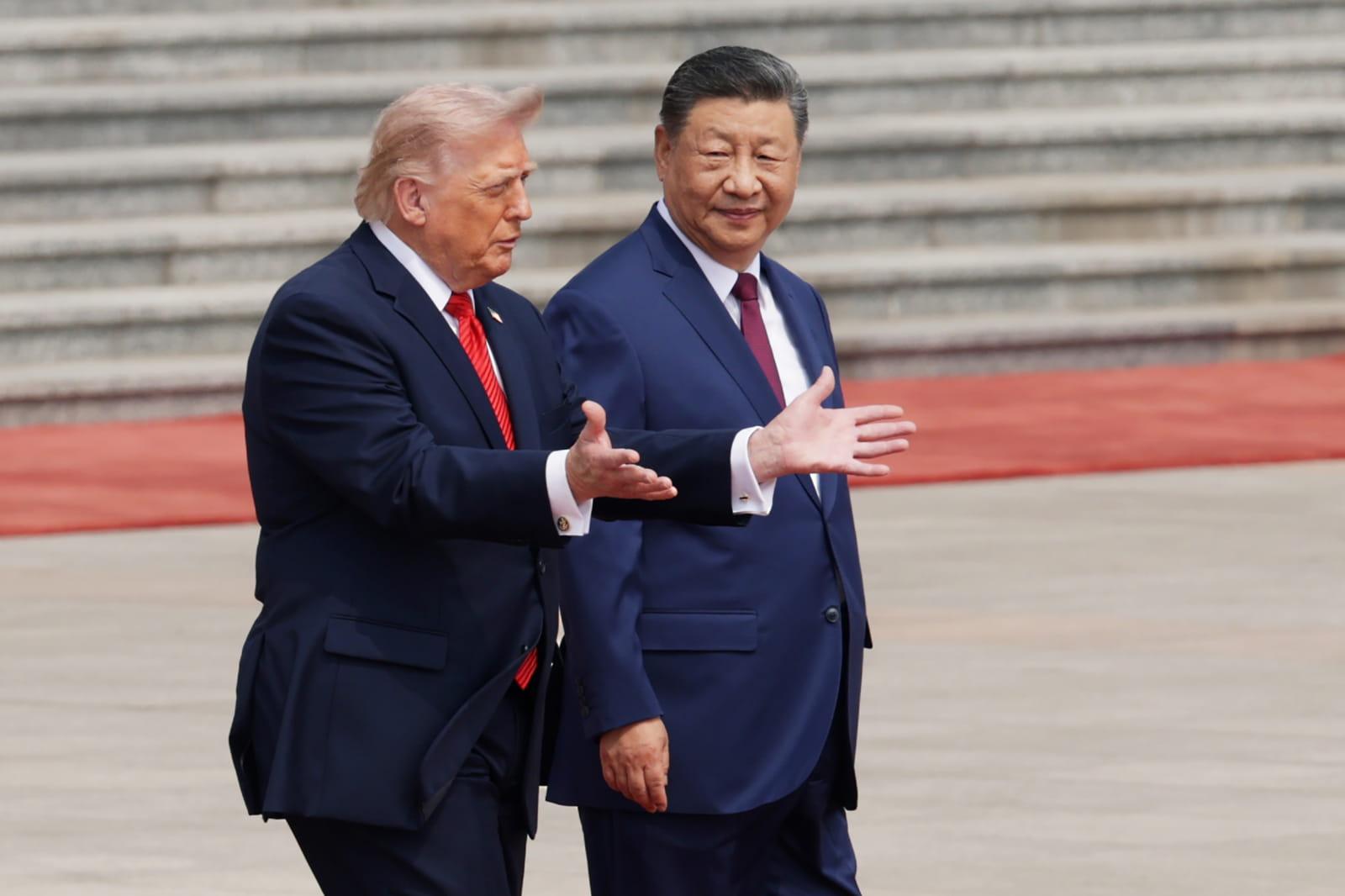
A Trump-Xi summit held on May 14–15, 2026 produced what China’s Foreign Ministry described as leaders agreeing on “a new vision of a constructive China-U.S. relationship of strategic stability,” with “important common understandings on keeping economic and trade ties stable.”
“Executive summary Well before the Trump administration took office in January 2025, there was an ongoing negotiation in world affairs over the balance of decisionmaking power within the multilateral order”
The same account said the leaders were also “properly addressing each other’s concerns, and enhancing communication and coordination on international and regional issues,” while the US readout characterized the results as modest despite Xi’s “firm warning on Taiwan.”

The Horn of Africa and Red Sea were identified as places where the summit’s managed stabilization would let rivalry continue “at full pace under more predictable parameters.”
The Horn’s strategic implications were tied to China’s “stabilization” approach, including the Addis-Djibouti railway built by China and China Merchants Port Holdings’ 23.5% stake in Djibouti’s port, alongside China’s sole overseas military base in Djibouti.
In that framework, the Djibouti base was described as completing a corridor that enables monitoring and protection of China’s Maritime Silk Road investments, while also marking China’s shift toward blue-water navy projection and direct strategic competition with the US.
Thucydides framing debate
In Beijing, Xi Jinping greeted Donald Trump at the Great Hall of the People and opened with a question framed as an invitation to reason together about whether China and the United States could “transcend the so-called Thucydides Trap and create a new paradigm of major country relations?”
The Lowy Institute argued that Xi’s invocation of the Thucydides Trap anchored Beijing’s strategic narrative in a deterministic framework, and it quoted Xi directly: “When the two sides cooperate, both benefit; when they fight, both suffer.”

The same analysis said the danger was cognitive, warning that accepting the Thucydides framing could lead both sides to overinterpret each other’s moves as symptoms of inexorable rivalry and close off “the prospect for the kind of small, enforceable bargains.”
It also argued that the Thucydides narrative carries a specific hazard for Australian policymakers by reducing global agency to Washington and Beijing and marginalising middle powers such as Australia, India, Japan, and the ASEAN member states.
The Lowy Institute concluded that the Thucydides Trap, invoked this way, is “less a warning than a pre-emptive defence,” telling a story in which China is the reasonable actor seeking coexistence and escalation originates with the United States.
Strategy and future stakes
A Council on Foreign Relations briefing framed the week’s developments as pointing to “fundamental questions about the future of U.S. strategy, regional relations, geoeconomics, great power rivalry, and war.”
“18 May Strategic Stability and Peripheral Contestation: The Horn of Africa After the Trump-Xi Summit The Trump-Xi summit of May 14–15, 2026, delivered neither a major breakthrough nor a dramatic rupture”
It described how Russian President Vladimir Putin traveled to Beijing for a two-day summit on the heels of U.S. President Donald Trump’s trip to China, raising questions about where the United States stands in the context of the “friendship without limits” between China and Russia.
The same CFR text said that while “China is broadly recognized as a serious strategic challenge,” the status quo cannot hold, and it pointed to bipartisan agreement that the current moment demands “blue-sky thinking about where the international system is going.”
It noted that Senator Elissa Slotkin (D-MI) and Senator Tim Sheehy (R-MT) came together at CFR, and that former deputy national security advisors Victoria Coates and Jon Finer found “meaningful areas of common ground.”
CFR said its Future of American Strategy Initiative, led by Senior Fellow Rebecca Lissner, is a multi-year effort to help shape debate about the next era of U.S. international leadership, with more than two dozen analyses released so far.
More on China
Wang Yi Calls Mark Carney’s Beijing Visit a Turning Point for Canada-China Ties
13 sources compared

China Executes Xu Yao for Poisoning Yoozoo Games Founder Lin Qi Linked to Netflix’s The Three-Body Problem
10 sources compared

Taiwan Scrambles Fighter Jets After China Launches Second Joint Combat Readiness Patrol
15 sources compared
Xi Jinping Meets Pakistan PM Shehbaz Sharif, Hails Unbreakable Ties in Beijing
11 sources compared