
Trump’s USAID Cuts Linked To Increased Conflict Across Africa’s USAID-Dependent Regions
Key Takeaways
- Trump dissolved USAID last year.
- Violence rose significantly in Africa after USAID cuts.
- The study attributes the rise to abrupt USAID withdrawal.
USAID Cuts and Violence
A study released on Thursday linked U.S. President Donald Trump’s decision last year to abruptly dissolve the U.S. Agency for International Development to a significant increase in violence in several African countries that USAID had supported.
“A surge in violence followed Trump’s cuts to USAID programs in Africa, a study finds A surge in violence followed Trump’s cuts to USAID programs in Africa, a study finds DAKAR, Senegal (AP) — U”
The AP report from DAKAR, Senegal said the authors did not blame the USAID cuts for the increase in violence, but they said the findings show that “large-scale, sudden aid cuts can destabilize fragile settings.”
The study, published in the Science journal, said researchers found “the abrupt withdrawal of USAID led to a significant and sustained increase in conflict across Africa’s most USAID-dependent regions,” according to AP.
The AP account also said the Trump administration eliminated more than 90% of foreign aid contracts, effectively cutting some $60 billion in funding, and that the abrupt withdrawal interrupted contracts, staffing and aid procurement.
The AP report added that ACLED said jihadis in the region have been more involved in violence across the board and have increasingly targeted civilians in the last four years.
Voices on the Findings
Nathaniel Raymond, executive director of the Humanitarian Research Lab at the Yale School of Public Health and not among the study’s authors, said the lasting problem with shuttering USAID is that “for much of its conflict prevention work, even if you put back all the money ... the experience is gone.”
ACLED’s senior Africa analyst Ladd Serwat told AP that “We now see increasing insurgency and spillover, so some of those programs may have supported these communities from insurgent threats, and now they are no longer active.”
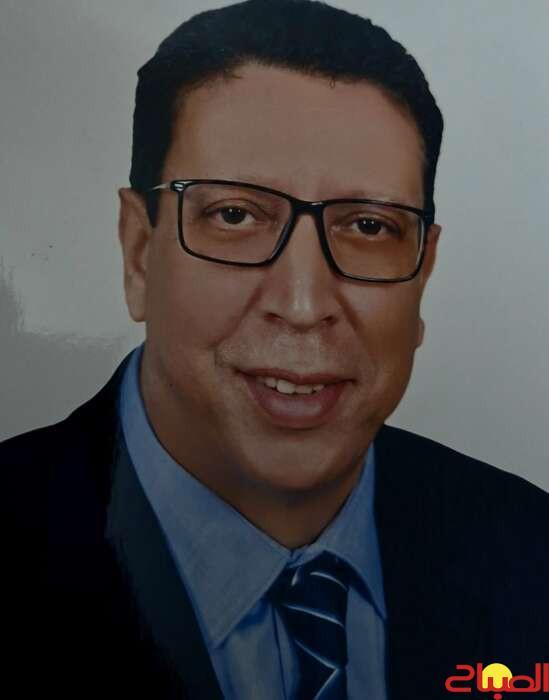
In Democracy Now!’s transcript, Austin Wright, one of the study’s authors and a professor of public policy at the University of Chicago, said, “What we found is that that shutdown had these large effects,” and described “double-digit percentage increases in the incidence, severity and lethality of violence.”
Democracy Now! also quoted Wright saying the researchers documented conflict activity across more than 870 subregions in Africa and linked it to where USAID was present and operational years ago.
The Democracy Now! segment further said the data showed “a large increase in violence in the months immediately after the shutdown occurred,” and that the researchers had “yet to find a significant reduction in those effects over time.”
What’s at Risk Next
The AP report said USAID had long been a key funding partner for African countries, helping governments and aid groups respond to multiple crises across different sectors, and it pointed to Nigeria, Ethiopia’s Tigray region, and northern Ivory Coast as examples of USAID support.
In Nigeria, AP said USAID support had helped victims of the militant Boko Haram group, which emerged in 2002, while in Ethiopia’s Tigray region officials relied heavily on U.S. funds as full-scale recovery efforts were yet to start after the war there killed hundreds of thousands.
AP reported that in northern Ivory Coast, a front line of the global fight against extremism, USAID had made significant financial commitments to counter the spread of al-Qaida and the Islamic State.
Democracy Now! framed the study’s conclusion by quoting that “The abrupt withdrawal of USAID led to a significant and sustained increase in conflict across Africa’s most USAID-dependent regions,” and it described USAID as active in over a hundred countries before it was shuttered.
The AP report concluded that the findings underscore the lasting impact of funding cuts, with Raymond warning that even if money is put back, the experience of conflict prevention work may not return.
More on USA

Trump Says He Will Intervene as US Charges Raúl Castro Over 1996 Plane Downing
12 sources compared

Fitzpatrick And Suozzi Lead House Bid To Kill Trump’s $1.8 Billion Anti-Weaponization Fund
12 sources compared
House GOP Leaders Cancel Vote To Limit Trump War Powers in Iran
14 sources compared

Jeff Landry Heckled in Nuuk as Protesters Reject US Footprint on Greenland
11 sources compared