Turkey Seeks Off-Ramp to War Via US-Iran Negotiations
Key Takeaways
- Turkey seeks off-ramp to war via US-Iran negotiations
- Turkish Foreign Minister Hakan Fidan held calls with Iranian, Egyptian, and European counterparts
- Talks aim to discuss a potential deal to avert conflict
Turkish Diplomatic Push
Turkish Foreign Minister Hakan Fidan has held extensive phone calls with Iranian, Egyptian, and European counterparts to discuss steps toward ending the conflict.
“Saudi Arabia’s Influence on US Foreign Policy Towards Iran By Trishnakhi Parashar | 24 March 2026 Summary Saudi Arabia faces a strategic dilemma following the United States - Israel strikes on Iran, as reports of Riyadh's alleged communication with Washington encouraging the military action sit uneasily against its public commitment to diplomacy and the regional stability required for Vision 2030”
The same day, Fidan also spoke with senior US officials, possibly including envoys Steven Witkoff and Jared Kushner.

Later on Sunday, he held further discussions with his Saudi, Qatari, Iraqi, and Pakistani counterparts.
According to sources familiar with Ankara's thinking, Turkey is pushing for a brief ceasefire to create space for negotiations.
This would allow all sides room to resume hostilities if talks fail.
Regional Complexities
Saudi Arabia faces a strategic dilemma following the United States - Israel strikes on Iran.
Reports suggest Saudi Crown Prince Mohammed bin Salman allegedly had multiple private phone calls with President Donald Trump to discuss military actions.
Saudi officials strongly deny these claims and maintain their commitment to diplomatic engagement.
This creates a contradictory narrative where Saudi Arabia appears torn between private encouragement of stronger US actions against Iran.
Riyadh has increasingly prioritised regional stability as it pursues its ambitious Vision 2030 strategy.
US Diplomatic Shift
US President Donald Trump said on Monday that Washington had been engaged in 'productive conversation' aimed at ending hostilities in the Middle East.
“Turkey seeks off-ramp to war through US-Iran negotiations Turkey is seeking an off-ramp to the war on Iran, engaging both the US and the Islamic Republic in an effort to initiate negotiations on a potential deal, sources familiar with the matter told Middle East Eye”
He ordered the Pentagon to postpone any military strikes on Iranian energy infrastructure for five days.
Trump added that talks would continue throughout the week.
This shift in posture suggests a potential opening for diplomatic resolution.
The US involvement in potential negotiations adds another layer to the diplomatic calculus.
Strategic Implications
The elimination of Iranian Supreme Leader Ayatollah Ali Khamenei has created a structurally ambiguous political vacuum in Iran.
While a weakened Tehran might reduce proxy pressure on Saudi interests in Yemen and the Gulf, political fragmentation could generate further escalation.
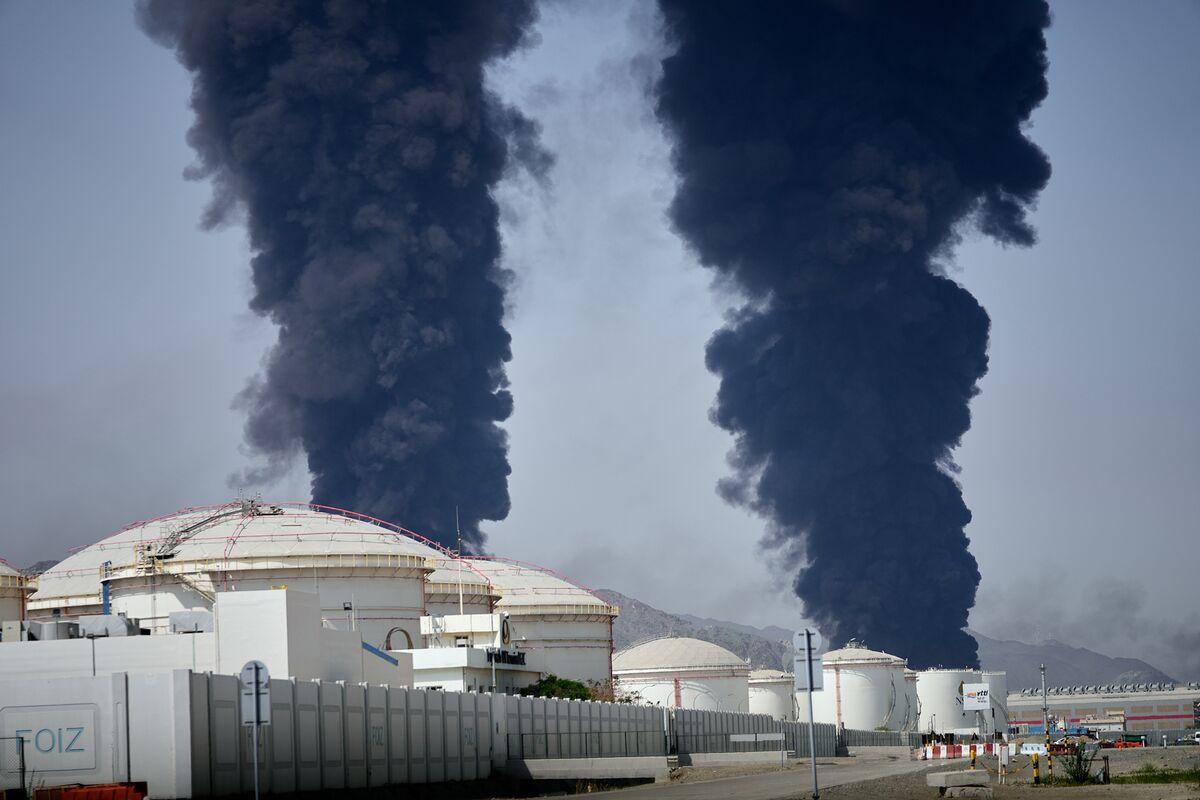
Political fragmentation or a more hostile successor's leadership could generate unpredictable escalation dynamics.
Saudi Arabia's critical infrastructure remains particularly exposed in any escalation scenario.
These vulnerabilities could impact the kingdom's economic transformation goals and regional influence.
Strategic Positioning
Turkey's diplomatic efforts represent a calculated strategy to position itself as a regional mediator.
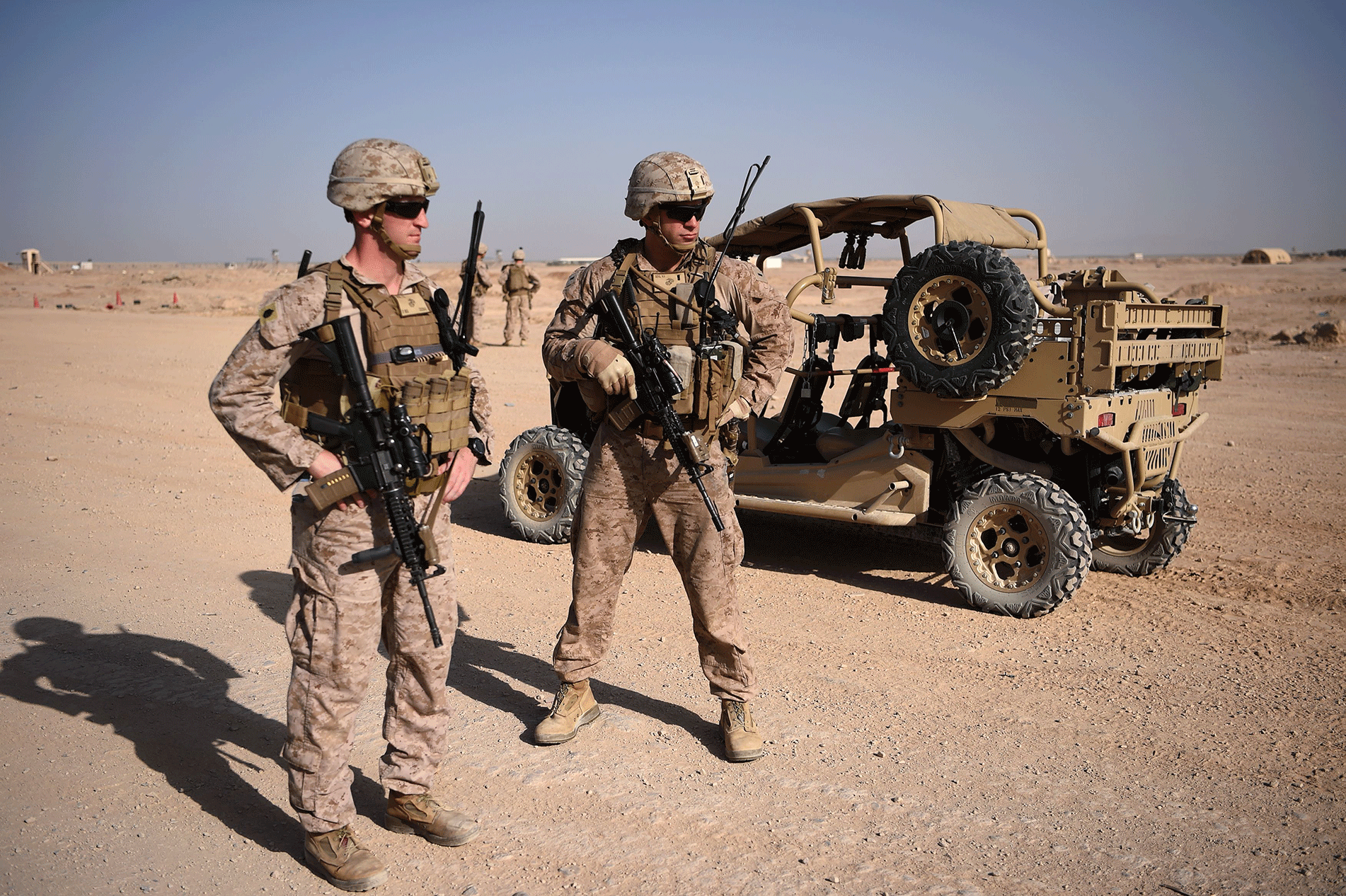
“Nearly four weeks into Operation Epic Fury, United States President Donald Trump has claimed that Washington is engaged in negotiations with Tehran – talks that Iran denies are happening – while amassing thousands of troops in the Middle East”
The Turkish approach acknowledges the potential for Israeli obstructionism.

Foreign Minister Fidan explicitly warned that 'Israel may pursue a policy of prolonging the war and inflicting greater damage on Iran.'
Saudi Arabia is expected to publicly distance itself from the strikes while quietly deepening US security ties.
Proxy tensions likely to intensify across Yemen and Iraq before a longer-term cold war dynamic solidifies.
More on Iran

Pentagon orders 1,000 82nd Airborne troops to West Asia amid Kharg Island seizure talks
13 sources compared

U.S. Prepares to Deploy 1,000 82nd Airborne to West Asia to Seize Airfields
17 sources compared

Pentagon deploys 3,000 82nd Airborne troops to West Asia to backstop Iran war operations
14 sources compared

US, Israel escalate West Asia strikes as US demands Iran roll back nuclear program
12 sources compared