
Twenty Arab and Muslim Countries Demand Middle East Nuclear-Free Zone
Key Takeaways
- Twenty Arab and Muslim countries call for a Middle East nuclear weapons-free zone.
- Signatories include Qatar, Oman, and Pakistan.
- Move framed amid escalating Israel-Iran conflict and regional tensions.
Nuclear-Free Middle East Demand
Twenty Arab and Muslim countries issued a joint demand for a nuclear weapons-free zone in the Middle East.
“Twenty Arab and Muslim countries, including Qatar, Oman and Pakistan, on Monday, June 16, called for the creation of a nuclear weapons-free zone in the Middle East, on the fourth day of the massive attack launched by Israel”
The signatories included Pakistan, the only Muslim nuclear power and a non-NPT state, for the first time.
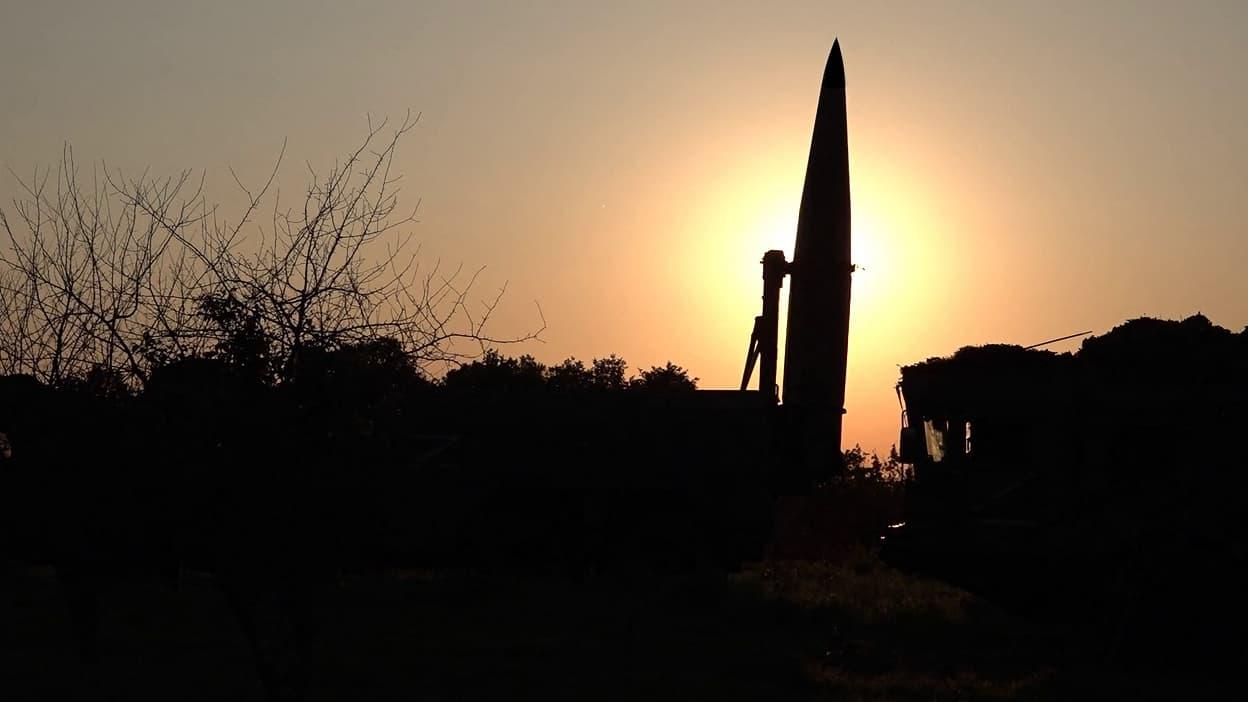
The demand framed the zone as necessary to ensure peace and stability in the region.
Iran remained excluded despite being the prime target of the strikes.
Turkey Mediates, Urges Negotiations
Turkey emerged as a potential regional mediator, urging the US and Iran to negotiate.
The joint statement was co-drafted with Turkey, Qatar, and Egypt.

Iran framed the strikes that killed Khamenei as terrorist attacks orchestrated by Israel.
Broader Regional Consequences
The Israel-US attack on Iran triggered cascading consequences across the region.
“We have told our counterparts on every occasion that we are against a military intervention aimed at Iran," Fidan said during a joint press conference with his Iranian counterpart, Abbas Araghchi, in Istanbul”
Lebanon warned it will not be a corridor for interventions.
Pro-Iranian Hezbollah fired at least 120 rockets at northern Israel.
The UK deployed the HMS Ark Royal to the eastern Mediterranean.
More on Europe

France and South Korea Forge Iran War Defense Alliance
17 sources compared

France Rejects Trump, Plans Peaceful Operation to Reopen Hormuz
19 sources compared
Trump Threatens NATO Withdrawal, Europe Faces Strategic Crisis
42 sources compared

French-Palestinian MEP Rima Hassan Detained over Pro-Palestine Social Media Post
26 sources compared