
Europe · 23 April, 2026 · 6 min read
Two Trains Collide Head-On In Denmark Near Copenhagen, Injuring At Least 17
Two local passenger trains collided head-on at a level crossing near Hillerød, north of Copenhagen. Seventeen people were injured, five in critical condition.
Casualty totals and onboard counts.
8 of 10 outlets skipped it: crisis centre has been set up for passengers and relatives in Hillerød (France 24; some other outlets mention a large emergency response but not this specific step)..
9outlets compared
Same story, two versions
tap a side to read it in full
BBC
“leaving five people critically hurt and 13 others with less serious injuries, medical officials say.”Read the original ↗
The Guardian
“injuring at least 18 people, five of whom are in a critical condition.”Read the original ↗
Different outlets tally the injured differently (BBC: 18 total with 5 critical; Guardian: at least 18 with 5 critical), reflecting varying early casualty reporting and possible changes as information emerged.
Head-on collision near Copenhagen
Two commuter trains collided head-on in Denmark on Thursday morning near Copenhagen, injuring at least 17 people with five in critical condition, according to police and media reports.
“06:29 local time (05:29 BST) on Thursday”
The crash occurred at about 6:30 a.m. on a local rail line linking the towns of Hillerød and Kagerup, in the North Zealand area of north-east Denmark, with the BBC reporting the time as 06:29 local time (05:29 BST).B
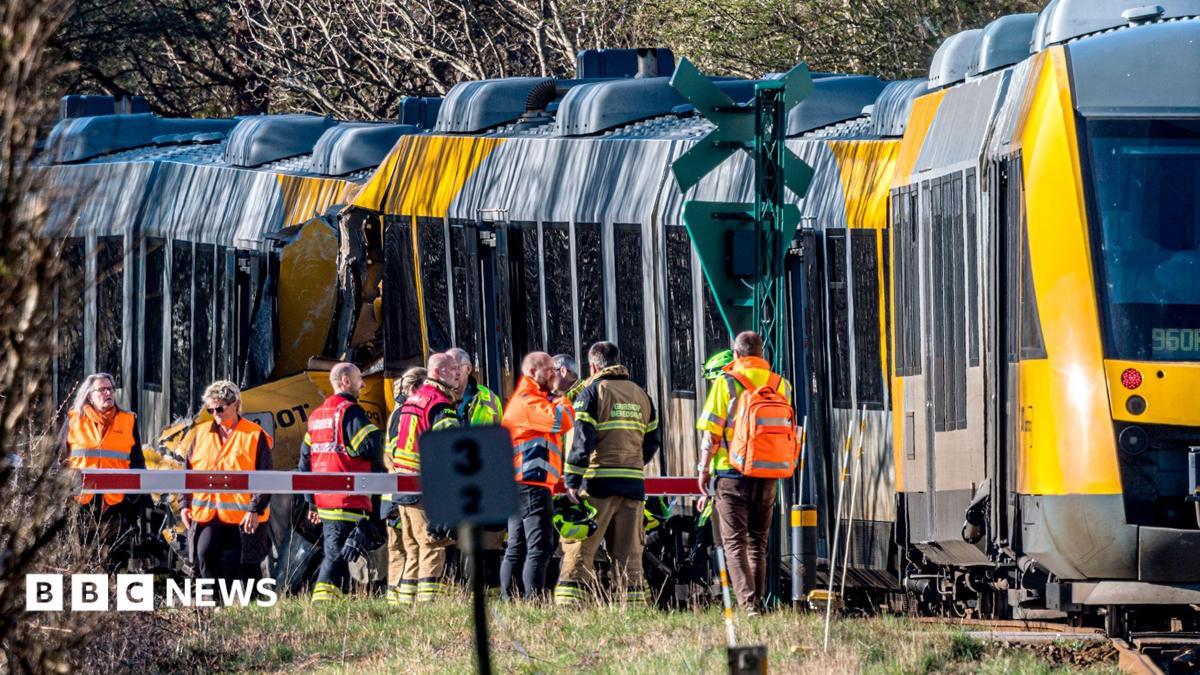
The trains were on a level crossing in a rural wooded area north-west of Copenhagen, and police said there were 37 people on board, while other outlets reported 38.
Emergency services mobilised “in large numbers,” and officials said all passengers were evacuated from the trains, with injured people taken to hospital by air or ambulance.
The Greater Copenhagen fire department spokesperson Tim Ole Simonsen told Danish TV that he was “unable to say what led to the crash,” and police said it was “far too early to know the cause of the crash.”
Photographs and visuals showed the yellow and grey trains facing each other with visible damage to the front, shattered glass from windshields and windows, and both trains and carriages remaining upright on the tracks.
Injuries, evacuation, and hospitals
Across Denmark’s emergency response, officials described a rapid mobilisation and evacuation after the collision.
The BBC said fire and rescue teams were alerted immediately and that those with critical injuries had been flown to the National Hospital in Copenhagen, while the Euronews report said some injured passengers were flown to the hospital and that the area was sealed off by police.B
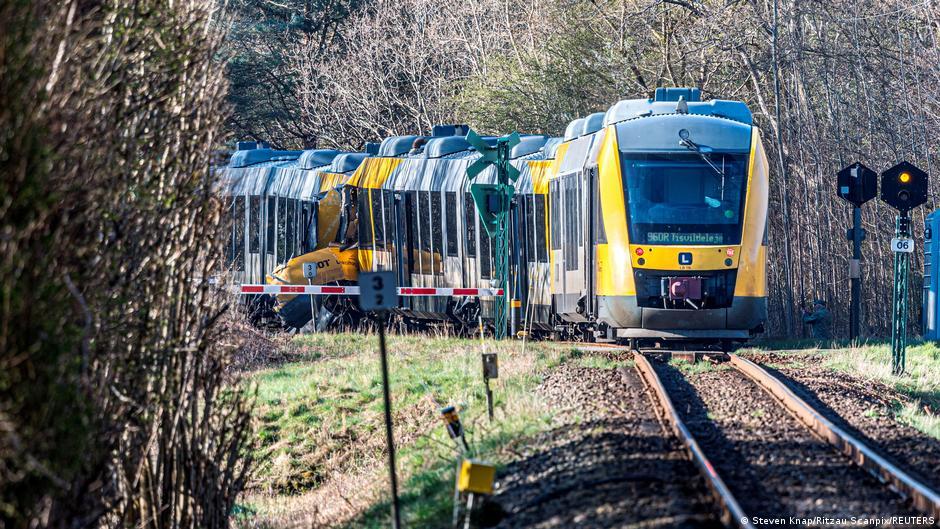
The RTE.ie report said police were alerted at 6:29 a.m. local time and stated, “Eighteen people have been injured in the accident. Of these, five are currently considered to be in critical condition,” citing health authorities.
Other outlets described slightly different injury totals, with the South China Morning Post reporting 18 injured and the BBC and Euronews reporting 17 injured.B
The New Indian Express reported that officials had initially reported four critically injured but later revised the figure to five.
The Guardian said a military helicopter helped to fly patients to hospital, and it also reported that a crisis centre had been set up for passengers and relatives in Hillerød.T
Cause under investigation
Investigators and police repeatedly said they could not yet determine what caused the head-on collision.
“unable to say what led to the crash”
The BBC reported that Tim Ole Simonsen was “unable to say what led to the crash,” and it quoted police and investigators saying it was “far too early to know the cause of the crash.”B
The New Indian Express similarly said it was “not immediately clear whether the train drivers were among those hurt,” and it reported that police said they were still gathering information and could not immediately determine the cause.
The Guardian said North Zealand police were conducting technical investigations and would not immediately comment on the nature of the collision, while also noting that exact speeds were not yet known.T
In the BBC account, Inspector Morten Pedersen of North Zealand police said investigators would be working together to find out what had happened, and the Denmark’s Accident Investigation Board arrived at the scene during the morning.B
RTE.ie quoted police official Morten Kaare Pedersen saying, “We can't provide any details for now about the cause,” and it also quoted Kristian Madsen of the Danish union IDA on possible human error involving signals.
Political and international reactions
Denmark’s political leadership and neighbouring countries’ leaders expressed concern while police continued investigations.
The Guardian reported that Mette Frederiksen, Denmark’s acting prime minister, said in a statement that she was “very moved by the terrible train accident on the Gribskov line this morning,” and she told TV2: “Several people are in a critical condition. TMy thoughts go out to the injured, their relatives and everyone affected by the accident.”
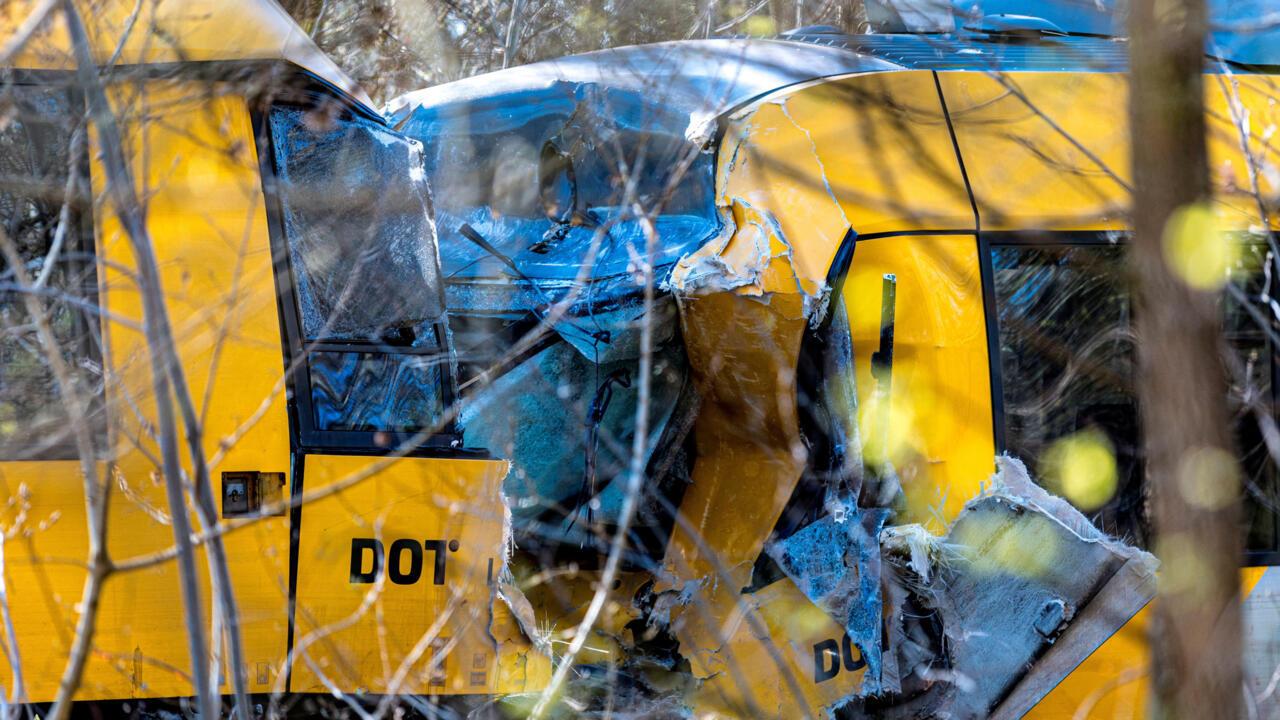
The Guardian also reported that the Swedish prime minister, Ulf Kristersson, said he had offered help in responding to the incident, and it said Danish police declined the offer.T
In the BBC report, the local mayor Trine Egetved said she was deeply shaken by the accident, and it quoted her Facebook post that “The local track is used by many Gribskov residents, workers and students.”B
Euronews also quoted Egetved’s Facebook post, saying, “At the moment, it says that there are many injured, some of which are critical, and they have been flown to the National Hospital,” and it described the local rail line as used by many Gribskov residents, employees and schoolchildren.
The Guardian reported that a crisis centre had been set up for passengers and relatives in Hillerød, and it said all 37 passengers were removed from the trains.T
Different injury counts and framing
While the core facts of a head-on collision on the Gribskov line near Hillerød and Kagerup were consistent, the reporting diverged on injury totals and some operational details.
“five people critically hurt and 13 others with less serious injuries”
The BBC said five people were critically hurt and 13 others had less serious injuries, totalling 18 people affected, while also stating police reported 37 people on board; it also said the injured were taken to hospital by air or ambulance.B
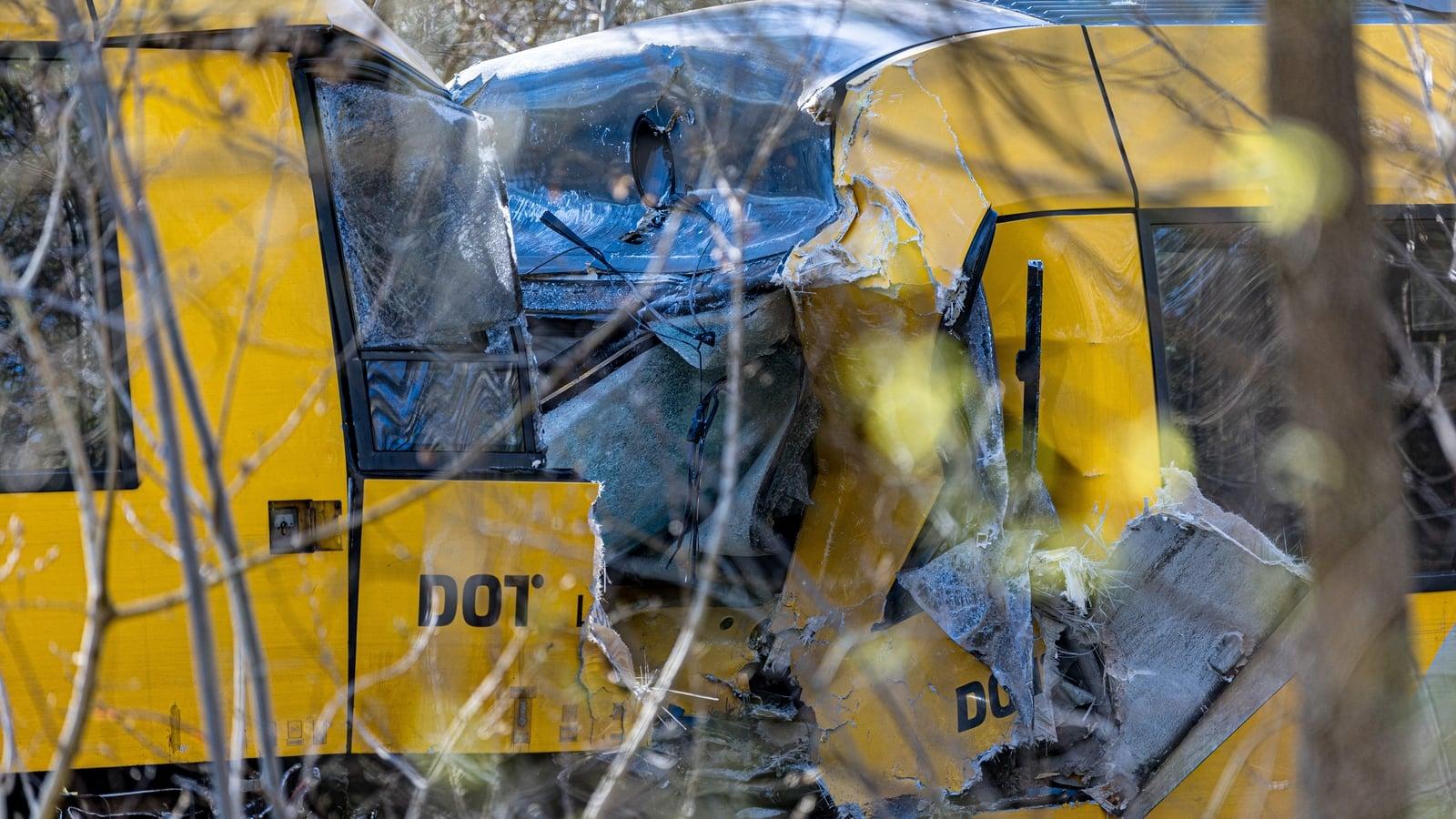
Euronews reported “at least 17” injured, with five in critical condition, and it described the area being sealed off by police, while the RTE.ie account stated “Eighteen people have been injured” and reiterated that five were in critical condition.
The New Indian Express reported 17 injured, including five critically, and it said the figure was revised from four critically injured to five.
South China Morning Post reported 18 injured and described rescue services describing “chaotic” scenes inside the carriages, quoting fire and rescue service leader Christoffer Buhl Martekilde about broken glass flying everywhere.
The Guardian reported at least 18 injured and five critically injured, and it specified the location as “at a level crossing at Isterødvejen, near Hillerød,” while France 24 said “Large resources have been dispatched to the scene.”T
Aftermath and what comes next
In the immediate aftermath, investigators continued examining the scene and police said they were still gathering information about the course of events.
The BBC reported that the Denmark’s Accident Investigation Board arrived at the scene during the morning and that Inspector Morten Pedersen said they would be working together to find out what had happened.B
The New Indian Express said emergency crews concluded rescue operations about three hours after the crash, while investigators continued to examine the scene, and it quoted police official Morten Kaare Pedersen saying, “We can't provide any details for now about the cause.”
The Guardian reported that technical investigations were under way and that signal errors were among the questions raised at a press conference, with Insp Morten Pedersen saying it was “far too early” to say.T
The BBC also included a statement that rail accidents are rare in Denmark and referenced past incidents, including a 2019 train crash that killed eight people and injured 16, and another accident last year in which an express train struck a farm truck, killing one person and injuring 27.
The Guardian reported that a crisis centre had been set up for passengers and relatives in Hillerød, and it said all 37 passengers were removed from the two trains.T