
UAE Air Defences Intercept Missiles and Drones Launched by Iran
Key Takeaways
- UAE air defences intercepted incoming missiles and drones launched from Iran
- Abu Dhabi authorities issued emergency warnings and a high alert during defence operations
- Attacks occurred amid escalating regional tensions between Iran, the United States, and Israel
UAE air-defence incidents
UAE authorities reported active air-defence engagements on March 8 in response to projectiles launched from Iran.
“Iran accused the United States of setting a precedent by striking a freshwater desalination plant on Qeshm Island, calling the attack a “blatant and desperate crime” that interrupted water supplies to about 30 villages, Foreign Minister Abbas Araghchi said”
They described the incidents as "incoming missiles and drones from Iran".

Officials also noted "audible disturbances and explosions as interceptions of projectiles launched from Iranian territory".
International reporting places at least one related strike earlier in the month, saying "on March 1 a reported Iranian strike sent a black plume of smoke over a warehouse in Sharjah, near Dubai".
Regional summaries link the activity to a broader pattern of launches and interceptions across the Gulf.
Officials and media portray the UAE's actions as direct defence against projectiles traced to Iranian territory amid a wider regional confrontation.
Civilian harm and interceptions
UAE President Sheikh Mohamed bin Zayed visited five civilians injured in the incidents in hospital, underscoring official concern for affected residents.
Authorities warned that even when systems intercept projectiles, debris from intercepted missiles and drones can still cause damage and injuries, and recent incidents in the UAE damaged buildings and vehicles while emergency and civil-defence teams have been kept on alert to respond.

Regional reporting noted that multiple Gulf states reported interceptions, indicating a risk of spillover injuries across several countries.
UAE and neighbours alert
UAE and neighbouring states have signalled elevated defensive postures.
“A reported Iranian strike on March 1 sent a black plume of smoke over a warehouse in Sharjah (Dubai), while multiple Gulf states said they intercepted incoming missiles and drones”
The UAE Ministry of Defence framed "the country’s heightened alert as defence systems work to neutralise the threats," while The Times of India reported that "several states including the UAE, Kuwait and Bahrain have activated defences and issued safety warnings."
Officials emphasised coordination and readiness, with The Times of India noting that "Emergency and civil-defence teams remain on standby, residents are urged to follow official guidance and verified information, and security services say the immediate threat has passed while remaining on high readiness and coordinating with regional partners."
UAE regional escalation context
Analysts and officials situate the UAE incidents within a wider Iran–US–Israel confrontation, with The Times of India tying the UAE alert to 'a wider regional escalation after a series of missile and drone launches since late February 2026 linked to the Iran vs US–Israel confrontation.'
Media coverage of the Sharjah strike recorded a visible impact, noting 'a black plume of smoke over a warehouse in Sharjah, near Dubai.'
An Iranian official quoted in reporting, Masoud Pezeshkian, downplayed Tehran’s desire for a wider war and accused the U.S., highlighting divergent regional narratives about intentions and escalation risk.
More on Iran-Israel

Escalation in Iran Pushes Oil Near $120, Sparks Gas Price Surge in Los Angeles
10 sources compared
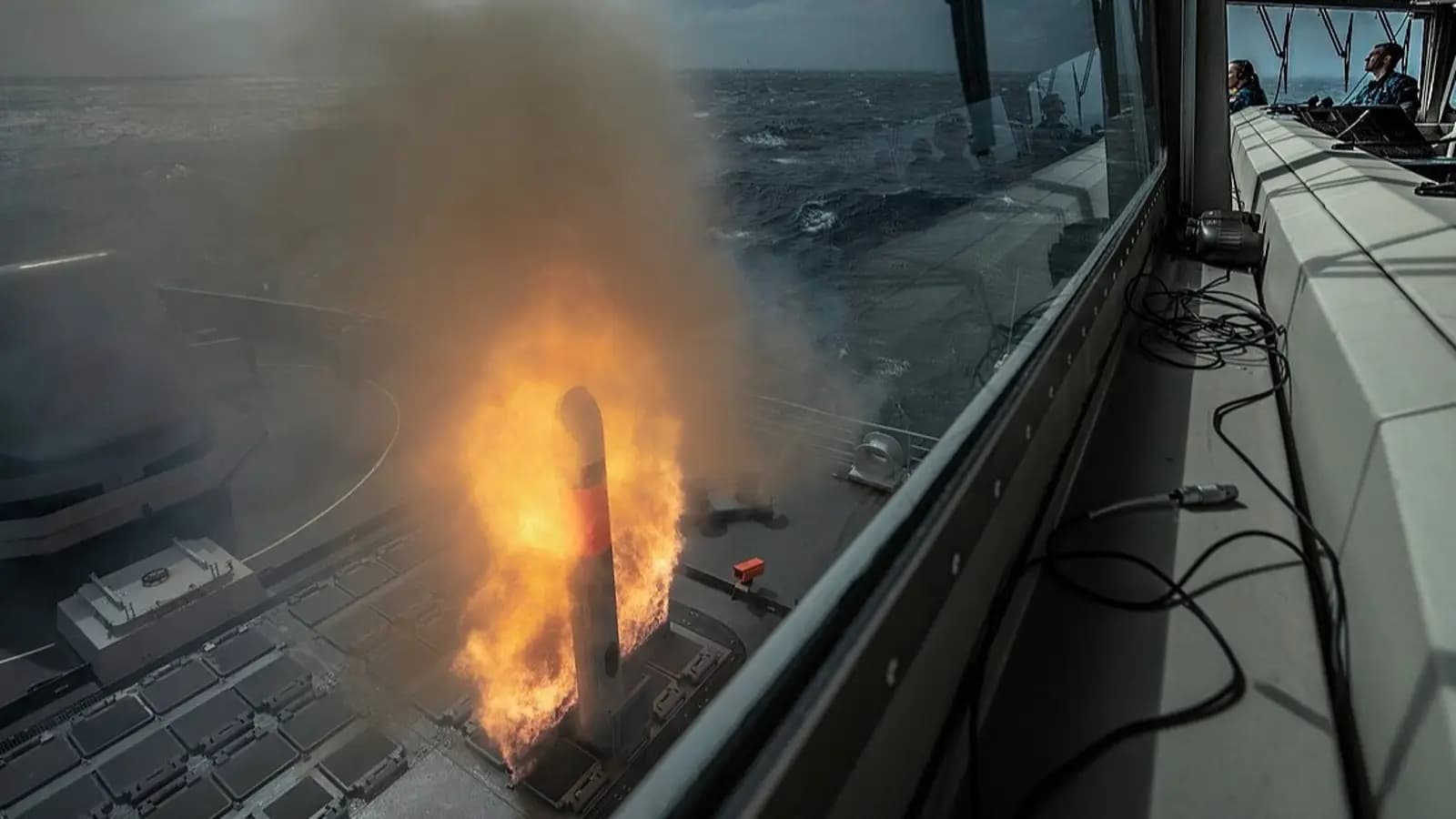
Evidence Shows U.S. Tomahawk Struck Iranian Girls' School, Killing 165
10 sources compared
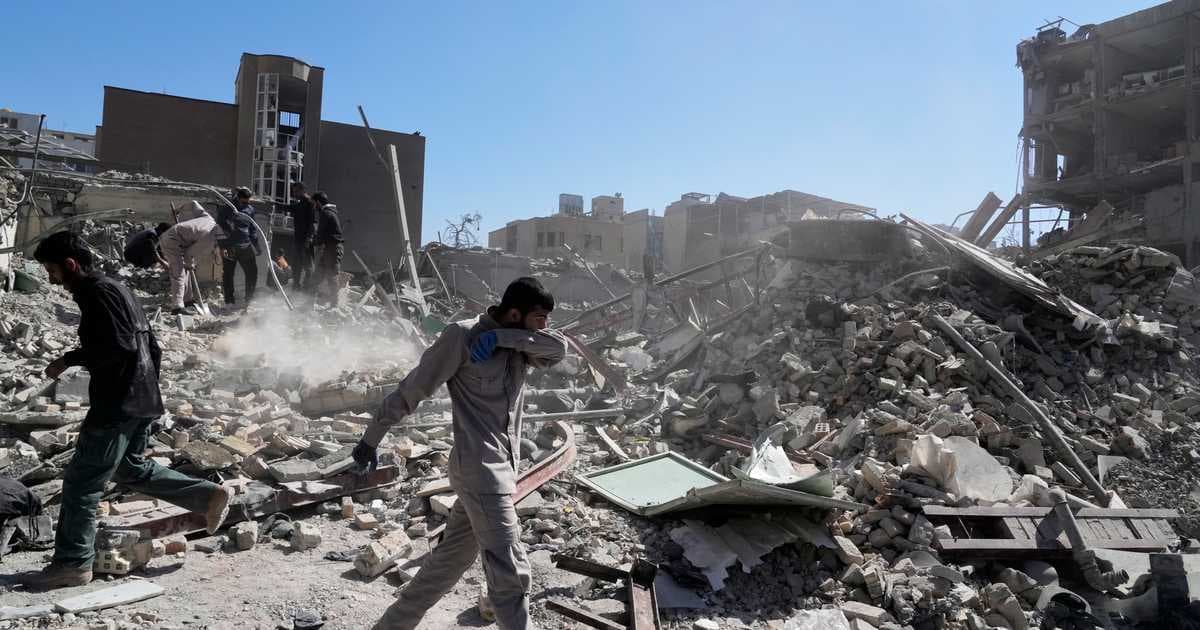
U.S. Intercepts Iran Message Activating Sleeper Cells After U.S.-Israel Strike Kills Khamenei
14 sources compared

Iran Threatens To Confiscate Property Of Iranians Abroad Who Support US And Israel
14 sources compared