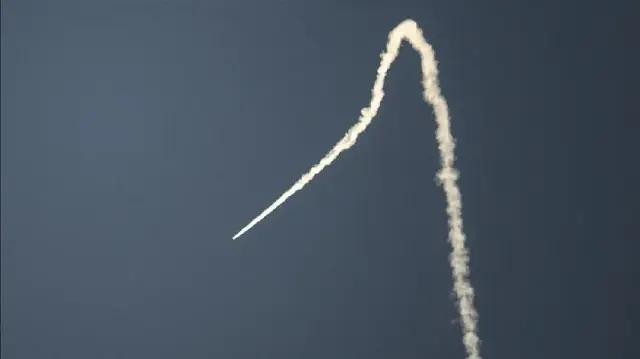
UAE intercepts seven ballistic missiles and 16 drones launched from Iran
Key Takeaways
- UAE intercepted seven ballistic missiles and 16 drones launched from Iran.
- The UAE Ministry of Defence confirmed the interceptions amid escalating regional tensions.
- Reported on Monday by multiple outlets.
Recent Interception
The United Arab Emirates' air defense systems successfully intercepted seven ballistic missiles and 16 drones launched from Iran on March 23, 2026, according to multiple official sources.
“The United Arab Emirates Ministry of Defence said its air defence systems successfully intercepted a significant barrage of projectiles launched from Iran on Monday, amid escalating regional tensions”
The UAE Ministry of Defence confirmed the scale of this latest engagement through statements on social media and news agencies.
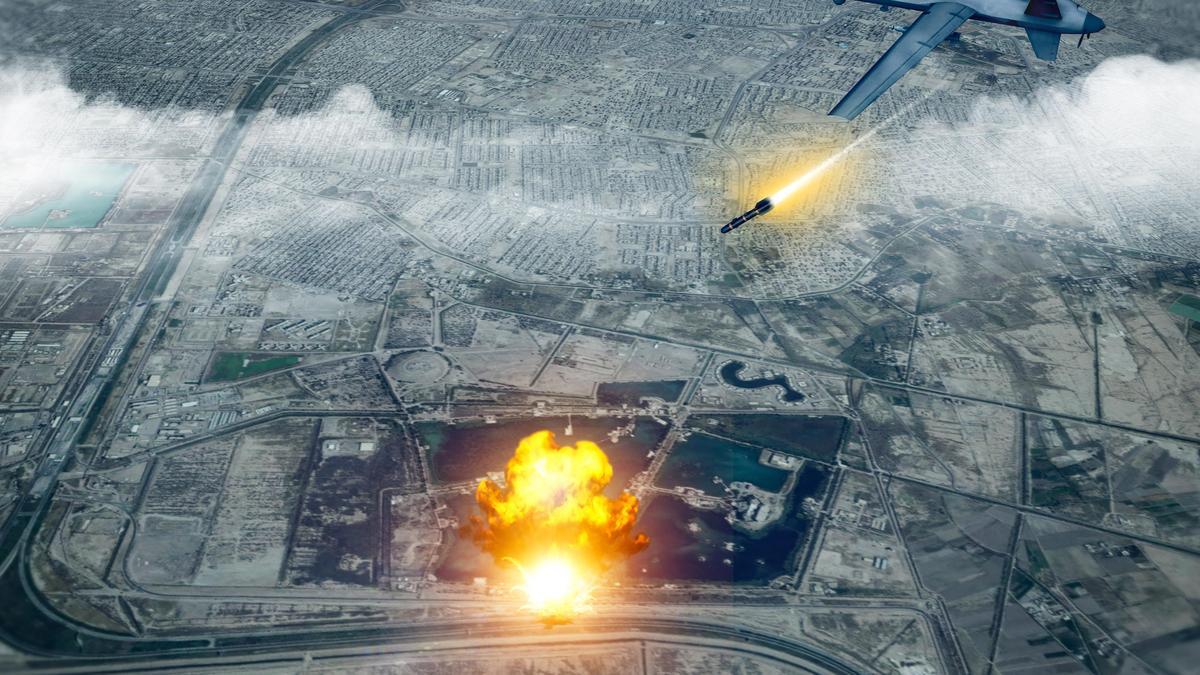
Authorities clarified that loud sounds heard across parts of the UAE were due to mid-air interceptions, with defense systems neutralizing incoming targets before impact.
Residents were urged to remain calm and follow official safety instructions amid escalating regional tensions.
This incident represents the latest in a series of defensive operations targeting Iranian-launched projectiles, showcasing the UAE's ongoing commitment to protecting its national security and sovereignty.
Human Cost
The latest interception adds to the staggering volume of fire directed at the UAE since the beginning of hostilities, with official sources documenting extensive defensive operations.
According to the UAE Ministry of Defence, since the onset of what it described as 'blatant Iranian aggression,' Emirati defenses have engaged 352 ballistic missiles, 15 cruise missiles and 1,789 drones.
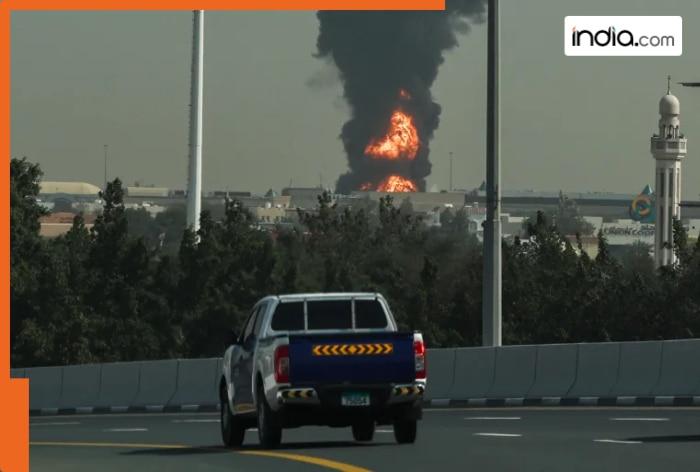
These sustained attacks have resulted in significant human casualties, including the martyrdom of 2 members of the armed forces while performing their national duty.
The deaths of 6 civilians of Pakistani, Nepalese, Bangladeshi, and Palestinian nationalities have also been reported.
A total of 161 people of diverse nationalities have sustained injuries ranging from minor to severe.
Some incidents have involved falling debris from intercepted missiles causing additional harm on the ground.
Regional Conflict
The escalating military operations between Iran and US-Israeli forces have increasingly drawn Gulf nations into the conflict, with the UAE becoming a key target in the regional power struggle.
“Live updates: Follow the latest news on US-Iran war The UAE has intercepted seven ballistic missiles and 16 drones launched from Iran since morning, the Defence Ministry said on Monday”
The conflict began on February 28 with the killing of 86-year-old Iran's former Supreme Leader, Ayatollah Ali Khamenei, in joint military strikes by the US and Israel.
Iran's retaliatory strikes have targeted Israel and US assets in several Gulf countries, escalating regional tensions.
Iran's attacks across the region have made it 'public enemy number one' in the eyes of the Gulf states, according to an Emirati scholar.
The scholar noted that Gulf nations need to collaborate and be 'part of an international coalition to open up' the Strait of Hormuz.
There may be 'division of labour, some differences there, about how we deal with this,' but Gulf states emphasize that 'we are all in this together' as regional tensions continue to mount.
Economic Impact
The ongoing conflict has had significant economic repercussions for the UAE and global markets, with the closure of the Strait of Hormuz disrupting international energy supplies.
About one fifth of the world's oil was transported through the strait before the conflict broke out and the unofficial Iranian blockade came into force, according to regional analysts.

Supermarkets nationwide are being adversely affected by the shipping disruptions and delays, though major chains report that shelves remain largely stocked with fresh and frozen produce.
The economic strain comes as the UAE reaffirms its commitment to maintaining national stability and repelling further incursions.
The Ministry of Defence states it 'remains fully prepared and ready to deal with any threats, and will firmly confront any attempts to undermine State security in a manner that ensures the protection of its sovereignty, security and stability, and safeguards its national interests and capabilities.'
Attack Pattern
The March 23 interception is not an isolated incident but part of a consistent escalation in aerial threats targeting the UAE.
“Unlock Exclusive Insights with The Tribune Premium Take your experience further with Premium access”
Defense systems have been responding almost daily to maintain national security amid the ongoing conflict.
According to official data, multiple incidents have occurred over the past week including March 22 (4 ballistic missiles and 25 drones), March 21 (3 ballistic missiles and 8 drones), March 19 (7 ballistic missiles and 15 drones), and March 16 (6 ballistic missiles and 21 drones).
This sustained barrage demonstrates the ongoing nature of the conflict and the UAE's continuous defensive posture.
The UAE's air defense capabilities have been tested extensively, demonstrating the ability to successfully engage and neutralize various types of aerial threats.
Falling debris from intercepted missiles continues to pose secondary risks to civilian populations despite successful interceptions.
More on Iran

Pentagon orders 1,000 82nd Airborne troops to West Asia amid Kharg Island seizure talks
13 sources compared

U.S. Prepares to Deploy 1,000 82nd Airborne to West Asia to Seize Airfields
17 sources compared

Pentagon deploys 3,000 82nd Airborne troops to West Asia to backstop Iran war operations
14 sources compared

US, Israel escalate West Asia strikes as US demands Iran roll back nuclear program
12 sources compared