UAE Withdraws From Opec, Reopening Rift With Saudi Arabia
Key Takeaways
- UAE exits OPEC, reopening a rift with Saudi Arabia and reshaping Gulf oil politics.
- Move signals Gulf realignment and broader energy strategy shifts attracting India, China, and the US.
- Analysts foresee shifts in oil supply and prices due to UAE's OPEC withdrawal.
UAE exits Opec
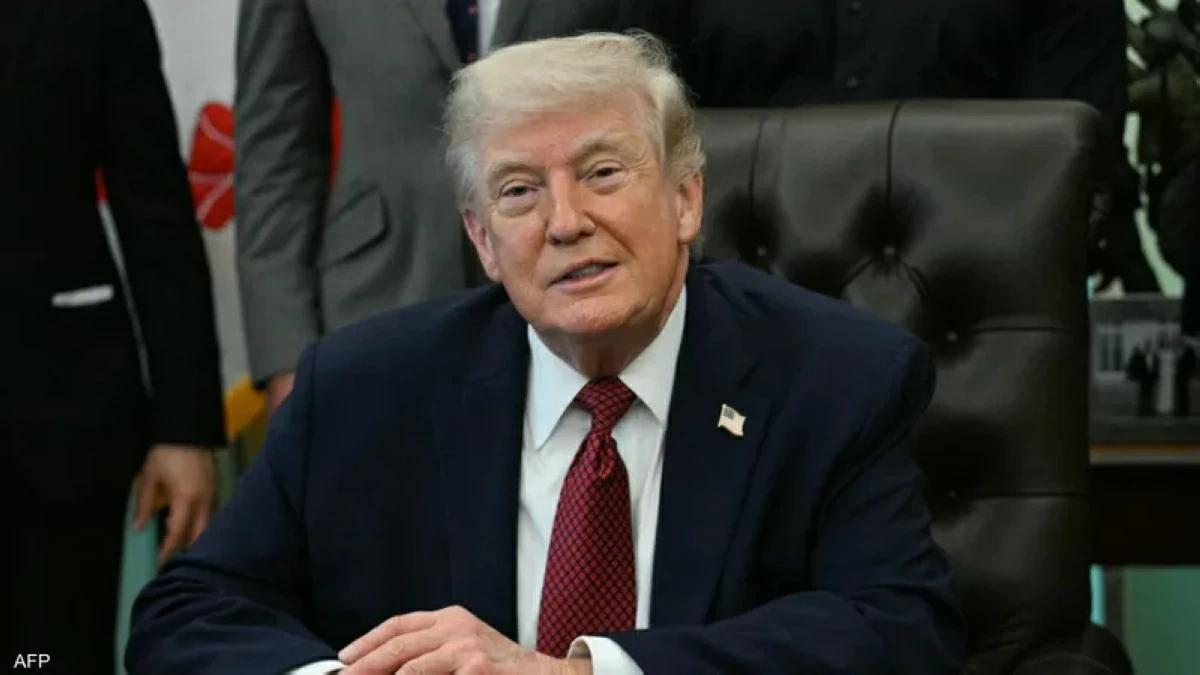
The United Arab Emirates’ decision to withdraw from the 12-member Opec and its larger cousin, Opec+, is dated to take effect from May 1, according to a statement carried by the official WAM news agency.
“Security of maritime trade routes remains threatened, notably in the Red Sea, where attacks by armed groups hit merchant ships”
The move is described as reopening a rift with Saudi Arabia, with the Financial Times framing it as “UAE withdrawal from Opec reopens rift with Saudi Arabia.”
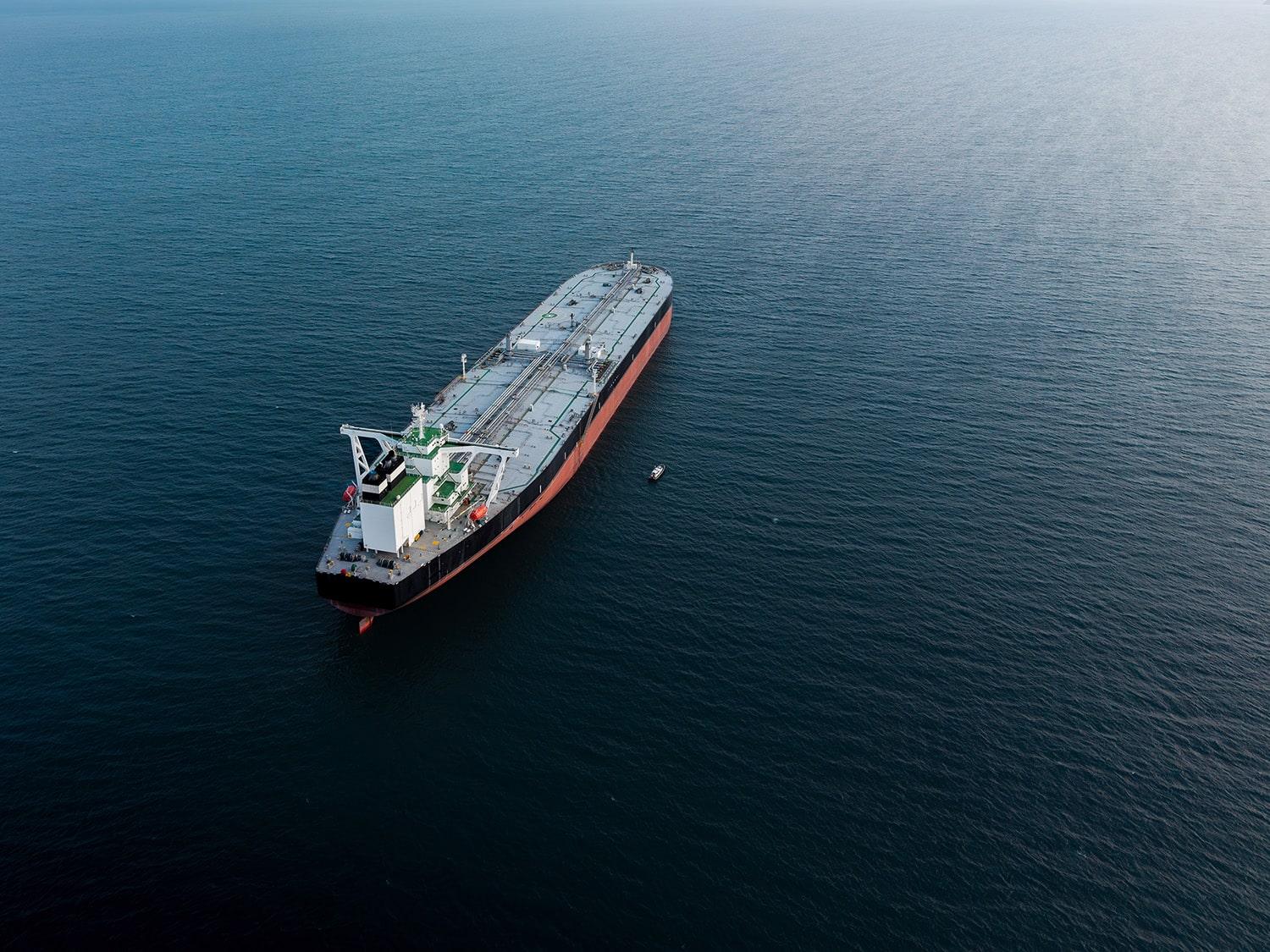
In parallel, Firstpost ties the UAE’s exit to a broader regional crisis, saying the announcement came on Tuesday (April 28) “amid the Iran war, which has now entered its second month.”
Firstpost also says the UAE will pull out on Friday (May 1), and it quotes the UAE’s stated rationale that the decision is to focus on “national interests.”
The same Firstpost explainer places Opec in Vienna, Austria, describing it as “a permanent, intergovernmental organisation based in Vienna, Austria,” and it says the UAE became a member in 1971.
It further states that Opec has 12 members and lists them, including Saudi Arabia, Iran, Iraq, Kuwait, Libya, Nigeria, Venezuela, and Algeria, among others.
The South China Morning Post adds a market-facing angle, saying “For major importers such as China, that added flexibility could boost supply and push prices down.”
Why the UAE left
Firstpost says the UAE’s withdrawal decision followed a strategic review of the country’s long-term energy priorities, quoting UAE Energy Minister Suhail Mohamed al-Mazrouei as telling Reuters: “This is a policy decision. It has been done after a careful look at current and future policies related to the level of production.”
The explainer also says the UAE’s statement described the decision as reflecting “national interests,” adding that “This decision reflects the UAE’s long-term strategic and economic vision and evolving energy profile.”

It further quotes the UAE’s statement saying, “However, the time has come to focus our efforts on what our national interest dictates.”
In the same account, Firstpost links the UAE’s stance to differences with Saudi Arabia over oil policy, stating that “the UAE wishes to increase oil production, the Saudis have been against it, in an effort to keep prices high.”
The Jewish Insider similarly frames the withdrawal as part of shifting Gulf alignment, quoting Sen. Chris Coons (D-DE) saying the move shows “the continued fragmentation of the Gulf Cooperation Council and of the relations between our Gulf partners as Saudi and the Emirates are pursuing different security paths.”
It also quotes Sen. John Cornyn (R-TX) saying he was “trying to understand” the move’s implications, and it includes Cornyn’s view that if the UAE “wouldn’t be limited in terms of what they can produce into the world’s oil supply,” it would be “a positive development.”
The Jewish Insider adds that experts said the ongoing war with Iran accelerated Abu Dhabi’s decision to break from the bloc, and it explicitly ties the decision to Iranian attacks on Gulf energy infrastructure, quoting Hussain Abdul-Hussain saying the UAE was “dismayed” by “the lack of response from regional organizations during the conflict.”
U.S. lawmakers react
In the U.S. political reaction, the Jewish Insider reports that lawmakers framed the UAE’s OPEC withdrawal as beneficial for U.S. energy interests and as evidence of Gulf fragmentation.
“Trending: West Asia war updates India-New Zealand FTA King Charles’ US visit Trump dinner shooting IPL 2026 India heatwave advertisement Advantage India”
Sen. Chris Coons (D-DE) told Jewish Insider that the move shows “the continued fragmentation of the Gulf Cooperation Council and of the relations between our Gulf partners as Saudi and the Emirates are pursuing different security paths.”
Coons also said the Gulf is under “enormous pressure because Iranian attacks have knocked out a fair amount of oil and gas production capability,” and he added that “The closure of the Strait of Hormuz continues to threaten the stability of their economies.”
Sen. John Cornyn (R-TX) told Jewish Insider that he was “trying to understand” what the move would mean, and he argued that if the UAE “wouldn’t be limited in terms of what they can produce into the world’s oil supply,” it would be “a positive development.”
Cornyn said, “That would probably be a good thing in terms of increasing the supply and hopefully bringing down prices,” and he added, “I think all they [OPEC countries] care about is themselves.”
Sen. Richard Blumenthal (D-CT) said Abu Dhabi’s departure from OPEC “may signal that the cohesion of OPEC is splintering and its power may be lessening … and there may be a freer market ahead.”
The same report includes a broader expert view from Jonathan Ruhe, who said “The political and economic predicates for this move have been building for a while,” and he described the UAE as “bearing the brunt” of OPEC production quotas.
China sees supply flexibility
The South China Morning Post frames the UAE’s exit through the lens of importers, arguing that flexibility could translate into more supply and lower prices even while the Strait of Hormuz remains disrupted.
It says “Beijing may have access to increased supply – though Strait of Hormuz disruption remains a serious constraint, analysts say,” and it links that to the idea that “For major importers such as China, that added flexibility could boost supply and push prices down.”

The report quotes Muyu Xu, a senior crude oil analyst at Kpler, saying, “For a buyer, any potential supply increase is positive as it means pressure on prices. I would expect China to increase purchases from the UAE.”
It also provides a specific import figure, stating that “In 2025, China imported 692,000 barrels per day from the UAE, out of total daily exports of 3.17 million barrels, accounting for 6 per cent of China’s seaborne imports, according to Kpler.”
The South China Morning Post then adds another quoted analyst, June Goh of Sparta Commodities, who says, “With the UAE being more flexible to increase production, China may be able to tap the former’s oil quickly if they are in favour of buying in the spot market.”
In parallel, Firstpost’s explainer argues that the UAE’s withdrawal could be “good news for India,” saying it “will eventually lead to higher crude production and help lower New Delhi’s crude import bill.”
It ties that potential benefit to the UAE’s stated aim to focus on “national interests,” and it places the decision in the context of the Iran war that it says has entered its second month.
GCC fractures and next steps
Beyond market effects, the reporting also emphasizes internal Gulf fractures and the strategic implications of the UAE’s departure.
“Decryption – The Gulf Trap: From the illusion of a lightning war to the drift of global energy By Giuseppe Gagliano, President of the Centro Studi Strategici Carlo De Cristoforis (Como, Italy) The war against Iran was supposed to be rapid, surgical, politically decisive”
Today’s L’Orient Today describes the UAE’s withdrawal as highlighting “growing divisions within the GCC and the emergence of increasingly autonomous strategies,” and it says the move reflects “a deeper shift within the Gulf Cooperation Council, where a system once built on coordination and shared strategy is steadily eroding.”

It also states that “Gulf states no longer act as a unified bloc but increasingly pursue independent economic, security, and geopolitical agendas,” explicitly tying the event to the regional crisis triggered by the war with Iran.
In the same vein, the Jewish Insider quotes Sen. Chris Coons describing “the continued fragmentation of the Gulf Cooperation Council,” and it links that fragmentation to “different security paths” between Saudi and the Emirates.
For a different angle on the wider regional security environment, Areion24.news discusses the Strait of Hormuz and says “Security of maritime trade routes remains threatened,” while also describing how “Saudi Arabia and the United Arab Emirates, long allies within the GCC and in the Yemeni theater against the Houthis, saw their cooperation fracture in December 2025.”
Areion24.news adds that Riyadh carried out air strikes against weapons “allegedly supplied from Emirati ports” to separatist forces in Yemen, “notably in the port of Mukalla,” and it says these events “triggered a rise in tensions between the two normally allied monarchies.”
Looking ahead, the Jewish Insider includes Sen. Richard Blumenthal’s view that OPEC cohesion may be splintering and that “there may be a freer market ahead,” while Firstpost frames the UAE’s exit as potentially leading to “higher crude production” and lower import bills for India.
More on Asia
Myanmar Junta Moves Detained Aung San Suu Kyi From Prison to House Arrest
10 sources compared
Pakistan Mortars Hit Kunar University, Killing At Least Seven and Injuring More Than 80
13 sources compared

Sudan Bans Imports of More Than 40 Goods to Curb Sudanese Pound Depreciation
10 sources compared

South Korea Appeals Court Increases Yoon Suk Yeol Sentence To Seven Years
26 sources compared