%2Fdepartment-of-communications-(dco)%2Fdigital-social-visual-(dsv)%2Fwho-logo-at-headquarters.tmb-1200v.jpg%3Fsfvrsn%3D34ba81d2_6&w=3840&q=75)
Uganda Orders Immediate Border Closure With Democratic Republic of Congo After Rare Ebola Surge
Key Takeaways
- Uganda closed its border with the DRC with immediate effect.
- Surges of a rare Ebola variant in Congo reach about 1,000 suspected cases.
- Ugandan health workers treating Congolese patients were exposed to the virus.
Uganda shuts Congo border
Uganda ordered the closure of its border with the Democratic Republic of Congo “with immediate effect” as suspected cases of a rare type of Ebola surged in eastern Congo and Ugandan health workers were exposed to the disease from Congolese patients.
The border closure was decided by a local Ebola task force led by Vice-President Jesca Alupo, and it was described as going against World Health Organization guidance.

Uganda said travel across the border would be authorized only in emergency cases, including for the outbreak response, cargo or security reasons, and anyone entering from Congo under emergency circumstances would be taken into mandatory self-isolation for 21 days.
The AP reported that the outbreak’s rare Bundibugyo type has no approved medicines or vaccines, and it said the number of suspected cases in eastern Congo is nearing 1,000 with at least 220 suspected deaths.
AP also said Congo’s health ministry confirmed 101 cases and was looking into over 3,000 possible contacts, while Uganda reported seven cases of Ebola including the first case of a 59-year-old man who died in Kampala on May 14.
WHO warns, officials act
Dr. Diana Atwine, permanent secretary of the Ministry of Health, told journalists that travel across the D.R.C. border would be authorized only in emergency cases, and she said any people entering Uganda from D.R.C. under emergency circumstances would be taken into mandatory self-isolation for 21 days.
The World Health Organization discouraged border closures while acknowledging neighboring countries are at high risk of contagion, warning that closures “push the movement of people and goods to informal border crossings that are not monitored, thus increasing the chances of the spread of disease.”

DW reported that WHO said “No country should close its borders or place any restrictions on travel and trade. Such measures are usually implemented out of fear and have no basis in science,” as the outbreak intensified.
WHO Director-General Tedros Adhanom Ghebreyesus called for a ceasefire in the region to allow safe access for responders, saying on social media that “attacks on health facilities make tracking cases and their contacts nearly impossible.”
The CBC also reported that the border closure followed a rise in Ugandan health workers exposed to the virus by Congolese patients who crossed the border before the outbreak was declared on May 15.
Contagion fears and next steps
Uganda’s closure decision was tied to the risk that Ugandan health workers faced after treating Congolese patients, with Atwine saying, “They have families, and so the number has been increasing,” as the number of locals exposed via health workers rose.
“Uganda closes its border with Congo, where suspected cases of a rare Ebola type are surging Uganda closes its border with Congo, where suspected cases of a rare Ebola type are surging KAMPALA, Uganda (AP) — Uganda on Wednesday ordered the closure of its border with Congo, where suspected cases of a rare type of Ebola are surging, and as cases have been confirmed at home after Ugandan health workers were exposed to the disease from Congolese patients”
The AP reported that the virus is spread through close contact with sick or deceased patients’ bodily fluids and that experts say healthcare workers and family members caring for patients face the highest risk.
In Congo, the AP said the outbreak was confirmed weeks late after tests were carried out for a more common type, and it described challenges including armed groups in eastern Congo, a large number of displaced people and poor infrastructure.
Euronews said Uganda ordered media outlets to dedicate 30 minutes daily during peak hours to raise awareness about the risks of Ebola and how to prevent it, while Atwiine also expressed surprise at celebratory gatherings after Arsenal won the English Premier League title.
Euronews further reported that WHO noted diagnosing the rare variant was delayed for weeks and that humanitarian workers said they faced a severe shortage of basic equipment such as protective suits, face shields, testing tools, and body bags needed to safely.
More on Africa
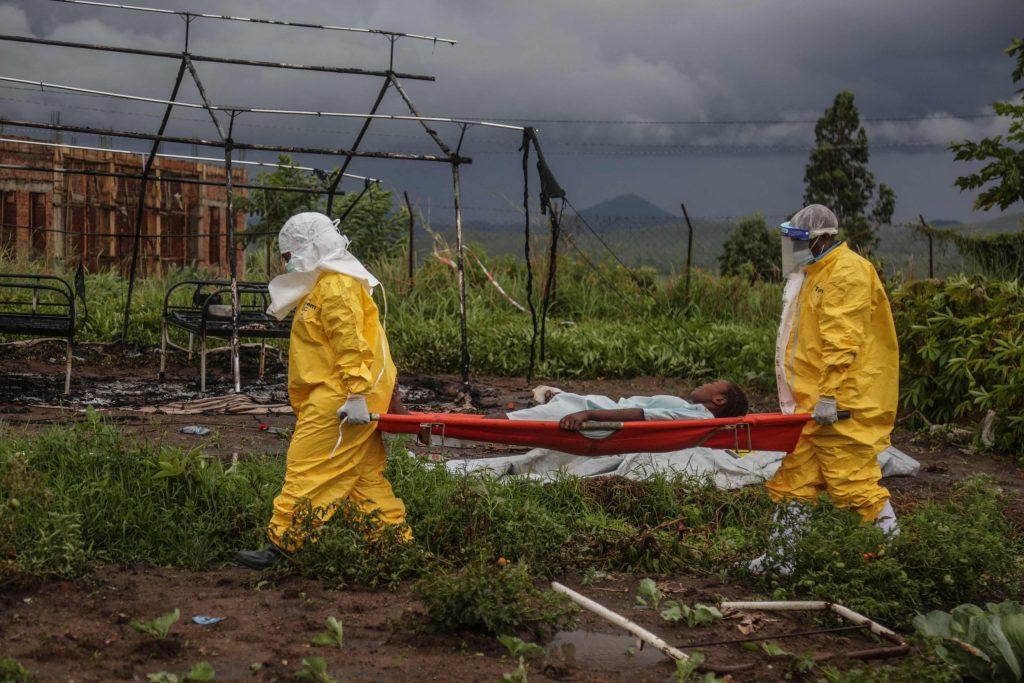
WHO Warns Eastern Democratic Republic of Congo Ebola Outbreak Collides With Armed Conflict
12 sources compared
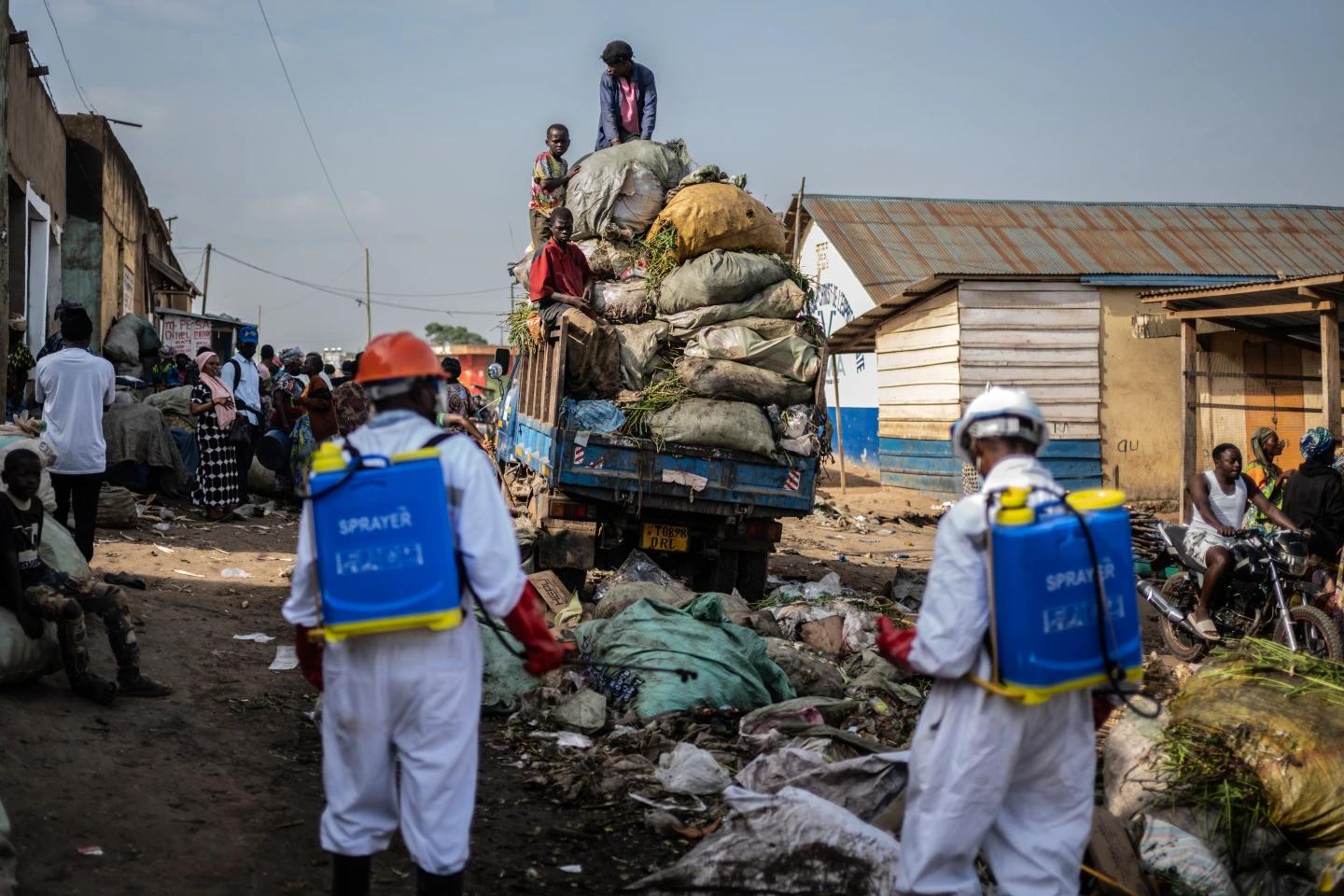
Gunmen Storm Mongbwalu General Hospital, Demand Two Bodies in DR Congo Ebola Attack
15 sources compared
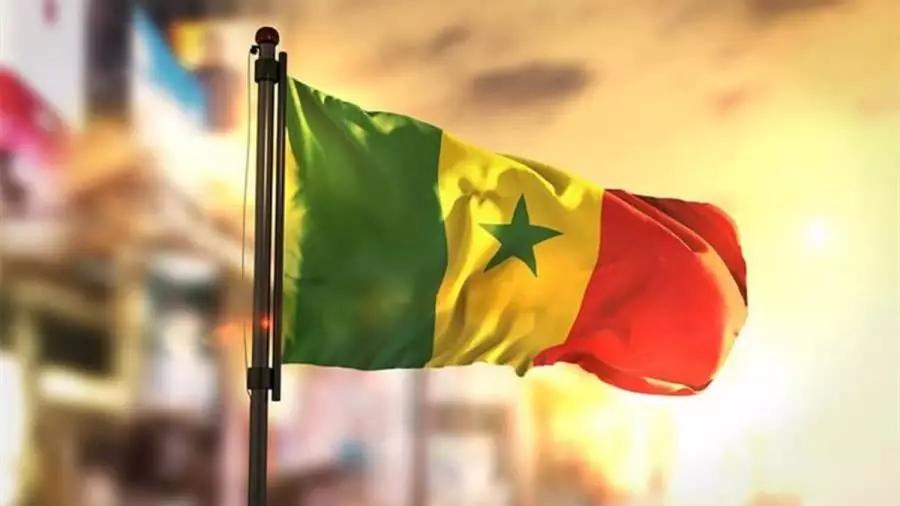
Senegal National Assembly Elects Ousmane Sonko Speaker After President Bassirou Diomaye Faye Dismissal
23 sources compared
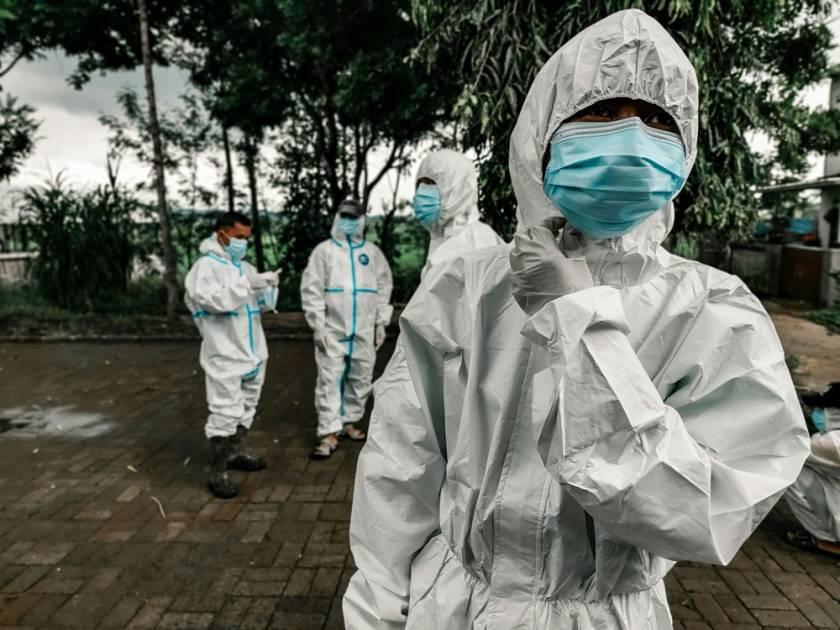
Attacks Storm Rwampara Health Centre in Goma as Ebola Response Intensifies in DRC
18 sources compared