Africa24 May, 20264 min read
Attacks Storm Rwampara Health Centre in Goma as Ebola Response Intensifies in DRC
Attacks on Ebola treatment centers, including Rwampara, are intensifying amid outbreak fears. More than 200 have died; cross-border spread to Uganda looms.
Attacks strain response
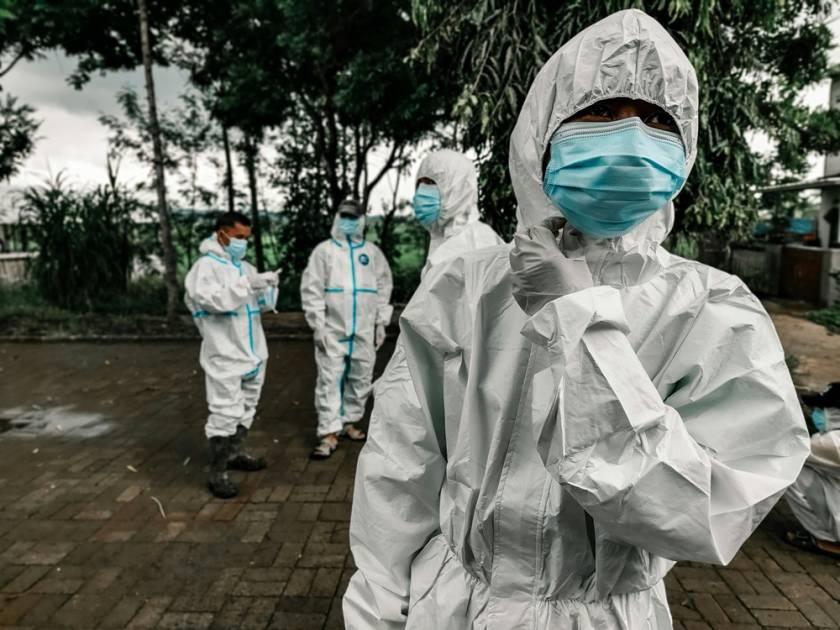
Attacks on Ebola health facilities in eastern Democratic Republic of the Congo are intensifying as the World Health Organization warns the outbreak could worsen in the DRC and Uganda, with the Rwampara health centre in Goma being stormed by angry residents demanding the bodies of relatives who had died from Ebola. A day later, a tent provided by Doctors Without Borders, also known by its acronym MSF, at a hospital in Mongbwalu in Ituri province was set on fire after healthcare staff isolated a body in line with strict health protocols, ALIMA said in a statement sent to Al Jazeera. ALIMA added that while the body was being prepared for burial, tensions flared resulting in the burning of two tents, and it said teams were still able to secure the body for a dignified and safe burial in accordance with Ebola response standards.
In the eastern DRC, it is customary for relatives and neighbours to gather at the home of the deceased to pay their last respects, and Lokana Jean, a 40-year-old resident of Mongbwalu, told Al Jazeera that when her daughter died of Ebola last month, the medical team came to bury her and she did not get to say her final goodbyes. Roger Kamba, the Congolese health minister, told Radio France Internationale, "Let us bury the deceased safely," as he said the dead must not take others with them into the grave.

Numbers and no vaccine
As of Saturday, nearly 180 people had died from the disease and close to 800 cases had been recorded, according to the Congolese Ministry of Public Health, while authorities in Ituri introduced measures including limits on public gatherings, suspension of wake services and a ban on moving bodies between locations. In a separate tally cited by اندبندنت عربية, the Democratic Republic of the Congo was experiencing an Ebola outbreak with 246 suspected cases and 80 deaths believed to be due to the virus, and it said there is no vaccine against the Bundibugyo strain nor a specific treatment. Congolese Health Minister Samuel-Roger Kamba said on Saturday that the Ebola strain causing the outbreak in the DRC has a very high fatality rate and that there is no vaccine or specific treatment to contain it, and he added that early symptoms are typically limited to a mild fever.
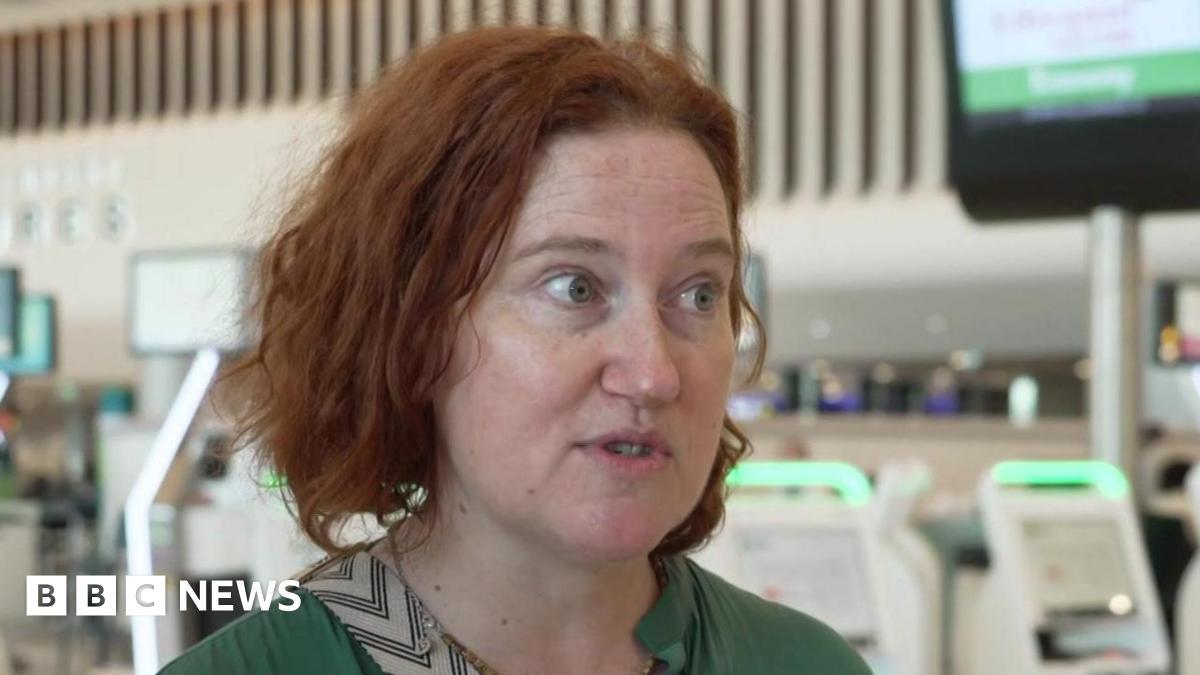
MSF said it was coordinating with Congolese health authorities and preparing a large-scale response in Ituri province, with Trish Newport, MSF's Emergency Programs Director, voicing grave concern that the number of cases and deaths and the virus's spread across several areas and cross-border movement were deeply alarming. Kate White, a programme manager for Médecins Sans Frontières (MSF), told the BBC she was "extremely concerned about the inability to get resources" to the country as she flew out to the Democratic Republic of the Congo.
Rumours, fleeing patients
Doctors and aid workers described how violence and resistance are driven by fear, rumours and mistrust of medical teams, with Gloire Idriss, a resident of Rwampara who witnessed the scene, telling Al Jazeera, "Some people here believe that Ebola is a business."
Rodriguez Kisando, a doctor specialising in health and the environment, warned that violence targeting Ebola treatment facilities and patients fleeing before completing care could speed up the spread, saying, "As long as there are scenes of violence and sick people escape from Ebola treatment centres before they are cured, the disease will continue spreading."
The Congolese health minister said the bodies of Ebola victims remain highly contagious and must be handled only by trained teams in protective gear, and Al Jazeera reported that health workers in Ebola-hit areas have repeatedly faced resistance from communities over strict burial protocols.
The BBC reported that there is no approved vaccine for this outbreak, and it said there are also no drugs that target it, making the illness harder to treat, while Kate White said the inability to get comprehensive medical countermeasures is part of what "reinforces the need to make sure that we have all of the protective measures in place."
With shortages becoming more visible and ALIMA saying resources for detecting, treating and preventing Ebola remain severely inadequate, the Al Jazeera report said a senior Congolese official involved in the response in Rwampara, speaking on condition of anonymity, said, "We are receiving new confirmed cases almost every day. The resources we have are not enough for the scale of the outbreak."