
UK Appeals High Court Ruling That Found Palestine Action Ban Unlawful And Disproportionate
Key Takeaways
- High Court ruled the Palestine Action designation as terrorist was unlawful and disproportionate.
- Government to appeal the ruling; Court of Appeal to hear the case.
- Ruling could jeopardize hundreds of prosecutions of Palestine Action supporters.
Ban overturned, appeal begins
A British High Court ruling on February 13 found the government’s ban on Palestine Action unlawful and “disproportionate,” while the ban remained in force pending an appeal.
“London, United Kingdom – The United Kingdom is appealing the High Court’s landmark ruling that the government’s ban on Palestine Action was illegal”
France 24 reported that Judge Victoria Sharp said the classification of the pro-Palestinian group as a terrorist organization “was disproportionate and infringed on freedom of expression,” and that the ban would remain “until further notice,” with both sides given until February 20 to submit new legal arguments.
RFI likewise said the judge found the prohibition “disproportionnée” and that it “s'est traduite par une atteinte très substantielle aux droits à la liberté d'expression et à la réunion,” while also stating the ban stayed in effect “jusqu'à nouvel ordre.”
Al Jazeera described the next step as the United Kingdom appealing the High Court’s landmark ruling, with a two-day hearing beginning on Tuesday at the Court of Appeal in London.
The Times of Israel said the government sought to uphold the ban “after a court ruling that the move unlawfully interfered with freedom of expression,” and noted that the appeal began on Tuesday.
The Guardian framed the issue as Shabana Mahmood’s appeal against the High Court ruling that the ban on Palestine Action was unlawful, with the hearing “this week, beginning on Tuesday.”
La Presse reported that the High Court invalidated the decision by the secretary of state, which had been “très fortement entérinée par le Parlement britannique (385 votes pour et 26 contre)” in the previous summer, and said the ruling was delivered on “le vendredi 13 février.”
What led to the ban
The ban was tied to a June break-in at RAF Brize Norton and subsequent government action under the Terrorism Act, with multiple outlets describing the sequence and the legal framing.
The Guardian said that in June of last year, Home Secretary Yvette Cooper announced plans to ban Palestine Action under the Terrorism Act “three days after it claimed responsibility for a break-in at RAF Brize Norton,” during which “red paint was sprayed into the turbines of two military aircraft.”

It added that Cooper justified the ban as “the first on a direct action group under the Terrorism Act,” placing it alongside “Islamic State and Boko Haram,” and said Palestine Action had “a long history of unacceptable criminal damage” and was a threat to national security.
France 24 similarly said the Labour government classified Palestine Action as a terrorist organization in July after “an intrusion and acts of vandalism at a British air force base,” which it said endangered national security.
The Times of Israel described the ban as coming “shortly after a June break-in at the Royal Air Force’s Brize Norton air base, in which its activists damaged two military planes,” and said the ban placed the group “on a par with Islamic State or al-Qaeda.”
L'Humanité said the Home Secretary Yvette Cooper justified the ban by “the odious attack carried out at Brize Norton in the early hours of Friday, June 20,” referring to “red paint splashes on British fighter aircraft stationed at the Royal Air Force base at Brize Norton.”
Al Jazeera connected the legal battle to the group’s stated mission to target companies associated with the Israeli military, saying the ban fostered a “climate of fear” and describing Palestine Action as founded in 2020 by Huda Ammori and Richard Barnard.
In the Grayzone’s account, the retrial of six Palestine Action activists began on April 13 and the defendants were barred from using terms like “genocide” or discussing the target of their direction action protests, while the group’s tactics were described as direct actions focused on property damage.
Voices on both sides
The High Court victory triggered celebrations from Palestine Action supporters while the government moved quickly to appeal, and multiple outlets captured the competing claims about rights and security.
“British justice rules Palestine Action ban disproportionate”
RFI reported that Huda Ammori, the founder, said on X “Nous avons gagné,” and France 24 similarly said supporters erupted with joy and that Ammori said on X “WE'VE WON.”
The Times of Israel quoted the government’s position through lawyers for Britain’s Home Secretary Shabana Mahmood, who told the Court of Appeal that the finding that the ban had a significant impact on freedom of expression was “overstated and wrong.”
Al Jazeera quoted Ammori’s statement sent to the outlet, saying the ban fostered a “climate of fear at precisely the moment when speaking out against Israel’s unrelenting crimes against humanity has been most urgent,” and also said “I hope the Court of Appeal will uphold the High Court’s ruling and bring this dystopian abuse of power to an end.”
RFI said the Home Office announced its intention to appeal and quoted the minister as “déçue” by the decision, while also noting that the ban remained in force until further notice.
The Guardian described how the High Court found the ban was unlawful on two grounds, including that proscription was a “very significant interference” with freedom of speech and freedom of assembly, and that it breached the home secretary’s own policy on proscription.
L'Humanité added that during the verdict Victoria Sharp described Palestine Action as an organization “that pursues its political cause through crime and incitement to crime,” while still concluding the ban was disproportionate.
In the Grayzone’s account, the presiding judge Jeremy Johnson imposed restrictions on what defendants could say, and it claimed the judge sought to engineer a “legal stitchup” before the retrial, with a draft court order reviewed by the outlet.
Arrests, prosecutions, and chilling effects
Even after the High Court ruled the ban unlawful, the legal fight continued to shape policing and prosecutions, with outlets describing thousands of arrests and the continued criminality of showing support.
The Guardian said that by the time of the High Court’s judgment, “according to DOJ, more than 2,700 people had been arrested for alleged support of a terrorist group under section 13 of the Terrorism Act,” which “carries a maximum sentence of six months in prison.”
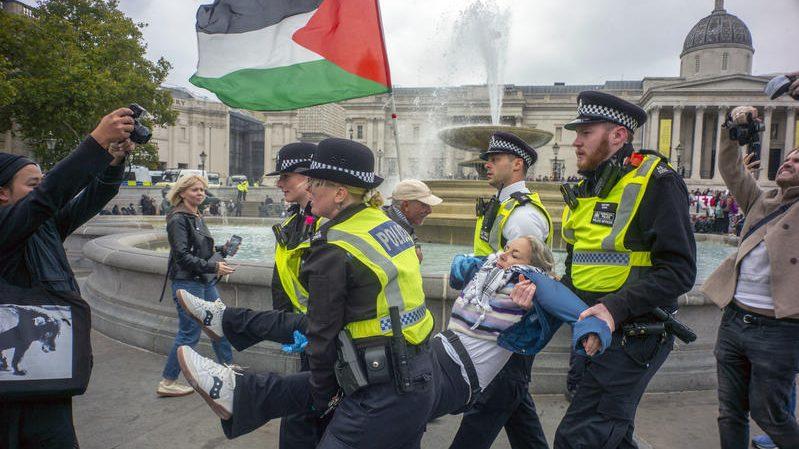
It also said the ban’s effect meant it remained an offence to show support for Palestine Action, punishable by a maximum prison sentence of 14 years for more serious offences under section 12 of the Terrorism Act.
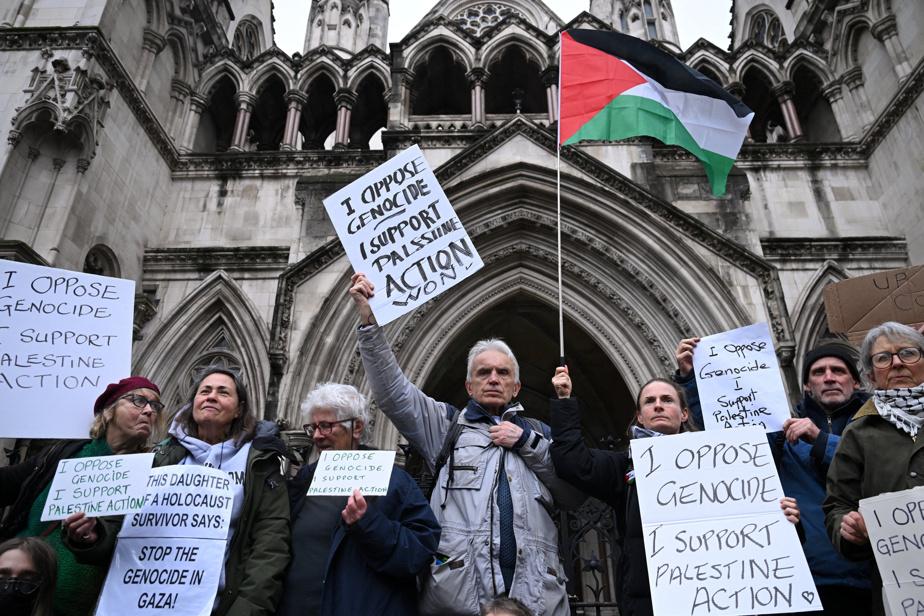
Al Jazeera reported that “more than 2,700 people arrested under terror laws for holding up signs reading, “I oppose genocide. I support Palestine Action.””
It added that “it is still illegal to show support for the group,” and said the fate of those arrested “remains uncertain.”
The Times of Israel said “More than 2,700 people have since been arrested for holding signs in support of Palestine Action,” and described how charges could be dropped if the High Court’s ruling is upheld, while also saying the Metropolitan Police resumed enforcement earlier this month and “arresting over 500 people.”
France 24 said “Nearly 3,000 people, including some over 80, have been arrested, and hundreds more charged” since July for demonstrating support.
Courrier international described uncertainty for “the 3,000 retirees arrested for backing Palestine Action,” saying “About 700 of them have already received a court summons, or even begun their journey through the justice system,” and that their files could be put on hold while the High Court proceedings conclude.
Courtroom restrictions and stakes
Beyond the ban’s appeal, the Grayzone described courtroom restrictions imposed during the retrial of six Palestine Action activists, portraying a process designed to limit what jurors could hear about the group’s political rationale and potential sentencing.
“Les bonnes nouvelles pour les droits de la personne sont rares en ce début d’année 2026 ; en voici pourtant une”
It said the retrial of six activists began on April 13 and that defendants have been barred under court order from using terms like “genocide” or discussing the target of their direction action protests.
The outlet named the six defendants as Samuel Corner, Jordan Devlin, Charlotte Head, Leona Kamio, Fatema Zainab Rajwani, and Zoe Rogers, and said they were acquitted of aggravated burglary in February.
The Grayzone claimed that a presiding judge, Jeremy Johnson, forbade the jury from knowing that he can sentence the defendants on “terrorism” charges if convicted on lesser criminal charges, and it said the jury may be improperly swayed to convict them of serious crimes without knowing harsh “terrorism”-related sentences will be attached.
It also asserted that the jury may not be told about the principle of jury equity, quoting that defendants were prevented from mentioning that a judge is forbidden from “[directing] a jury to convict.”
The Grayzone further claimed the order barred defendants and their lawyers from providing references to “Elbit’s activities in manufacturing weapons and supplying them to Israel” and from discussing “Israel’s activities in Gaza,” while also saying defendants were barred from probing the jury’s “background knowledge and/or view about those events.”
In parallel, the stakes described by mainstream outlets centered on whether the Court of Appeal would uphold the High Court’s finding and whether prosecutions would stand, with The Guardian saying the outcome could determine whether other direct action groups that cause damage might face proscription in the future.
Al Jazeera also said the government’s appeal reveals a “chilling effect” on “democracy,” quoting Jo Ripley’s protest in London as she said she was protesting out of “anger.”
More on Gaza Genocide

Israel Kills Hind Rajab and Family as They Try to Flee Gaza City
11 sources compared

Israeli Settlers Set Fire to Palestinian Home in Jalud, Injuring Residents in West Bank
10 sources compared
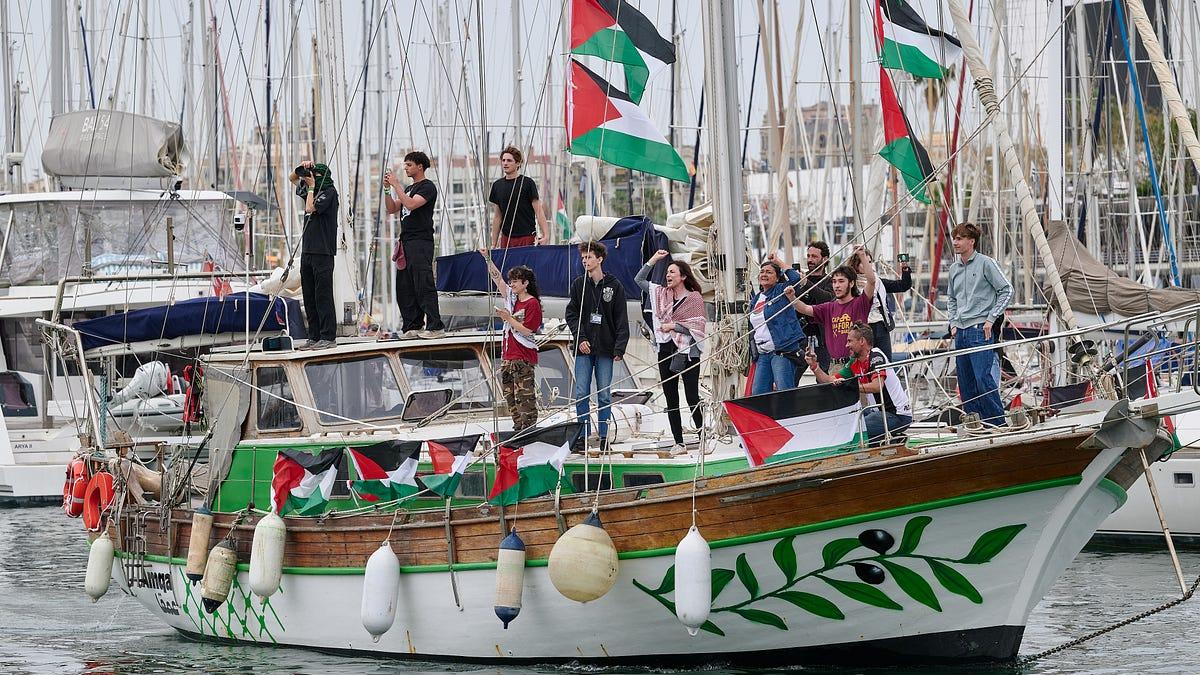
Israeli Navy Intercepts Global Sumud Flotilla Vessels in Mediterranean Waters Off Crete
26 sources compared
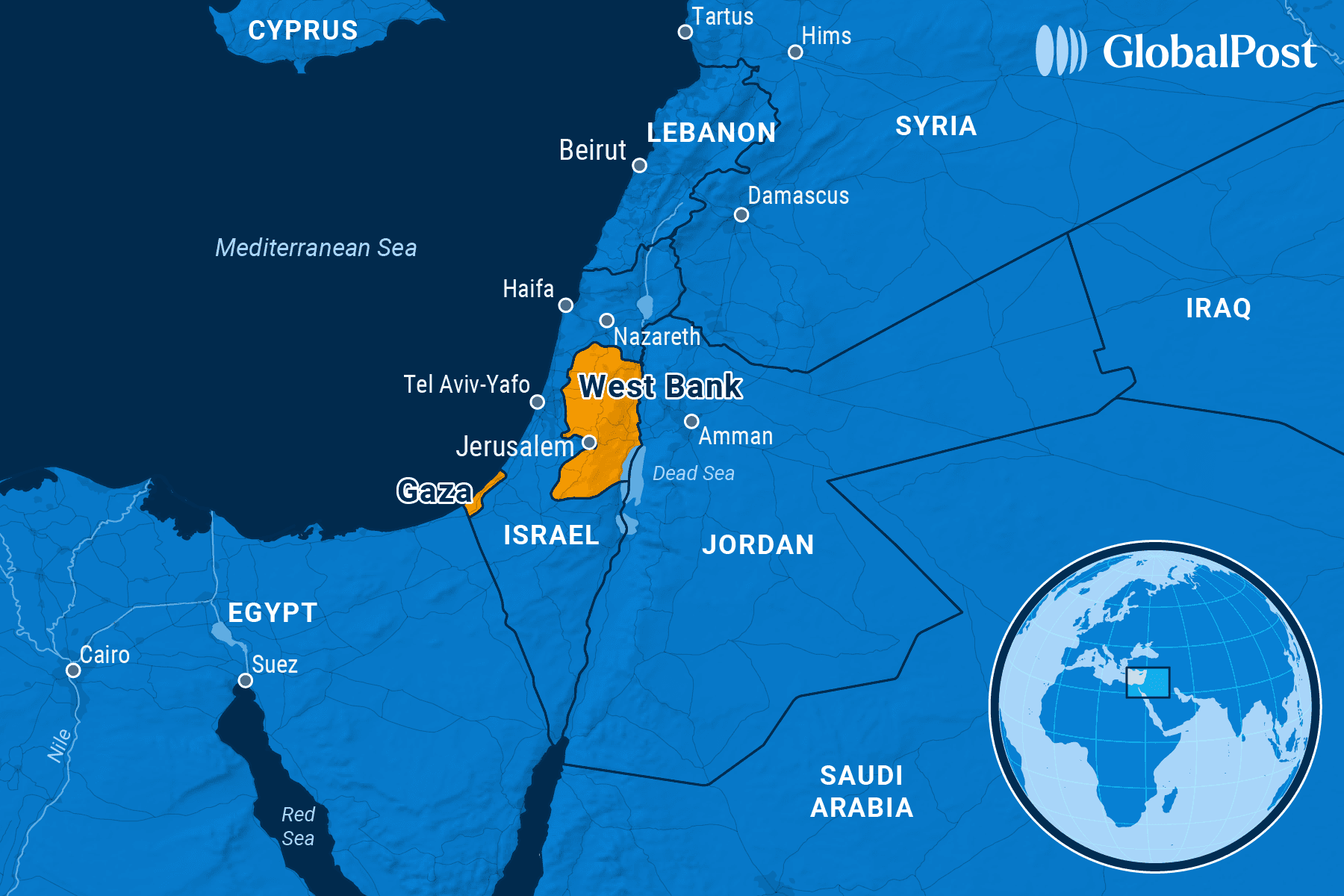
Palestinians Vote In Deir Al-Balah And West Bank Municipal Elections After Hamas Exclusion
21 sources compared