
UK Court Rules Palestine Action Ban Disproportionate, Home Office Plans Appeal
Key Takeaways
- Court ruled Palestine Action ban disproportionate, infringing freedom of expression.
- Palestine Action designated as a terrorist organization in 2025.
- Ruling delivered on February 13, 2026.
Court victory for Palestine Action
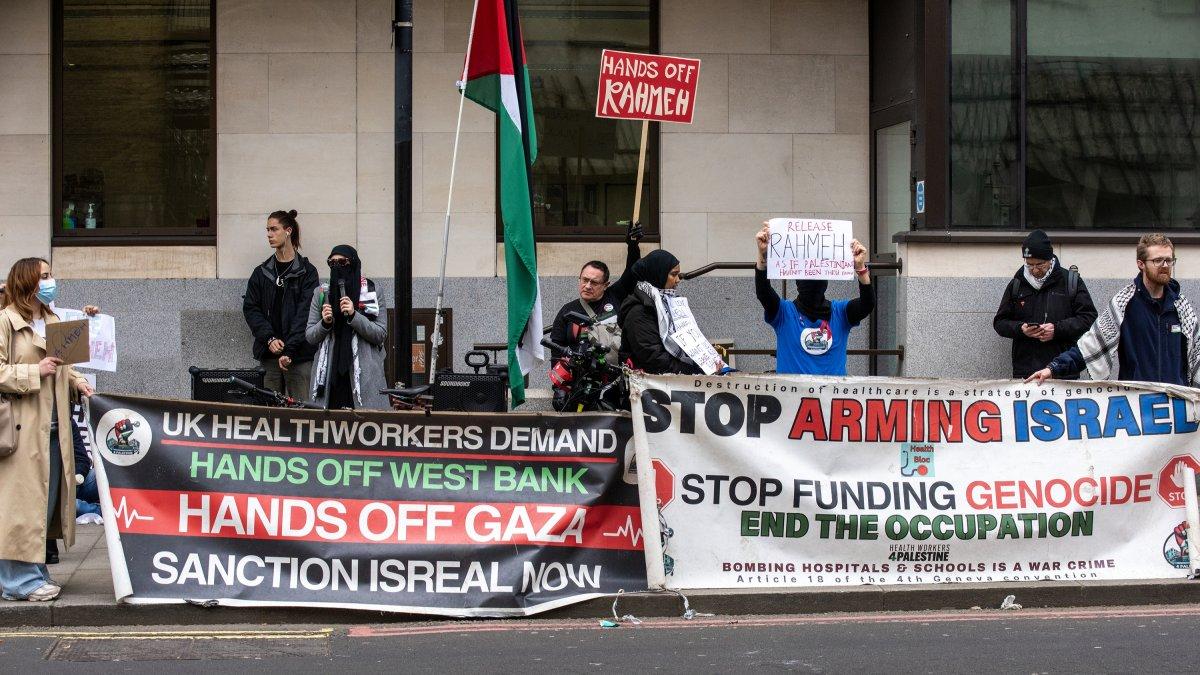
In the United Kingdom, a British court ruled on Friday 13 February that the government’s ban on the pro-Palestinian group Palestine Action was “disproportionnée,” a decision that could affect the government’s terrorism-related case against hundreds of supporters.
“02:03 01:03 01:08 01:00 02:14 01:14 23:17 20 Minutes with AFP Published on April 12, 2026 at 12:58 PM • Updated on April 12, 2026 at 3:50 PM The figures are impressive”
The RFI report says the judge, Victoria Sharp, stated that the July 2025 decision to classify the group as terrorist and ban it “s'est traduite par une atteinte très substantielle aux droits à la liberté d'expression et à la réunion,” while also adding that the ban “reste en vigueur jusqu'à nouvel ordre.”
Sharp gave until 20 February for both sides to submit new legal arguments, and the report says the Home Office “a immédiatement annoncé son intention de faire appel.”
RFI describes supporters celebrating outside the tribunal, with Huda Ammori, the founder of the organization, saying on X: « Nous avons gagné ».
The decision is presented as a setback for the Labour government of Keir Starmer, which had classified Palestine Action as terrorist “au même titre qu'al-Qaïda, le Hezbollah ou l'Armée républicaine irlandaise (IRA).”
RFI also reports that the government’s classification followed “une intrusion et des actes de vandalisme sur une base de l'armée de l'air britannique,” which the executive said harmed national security.
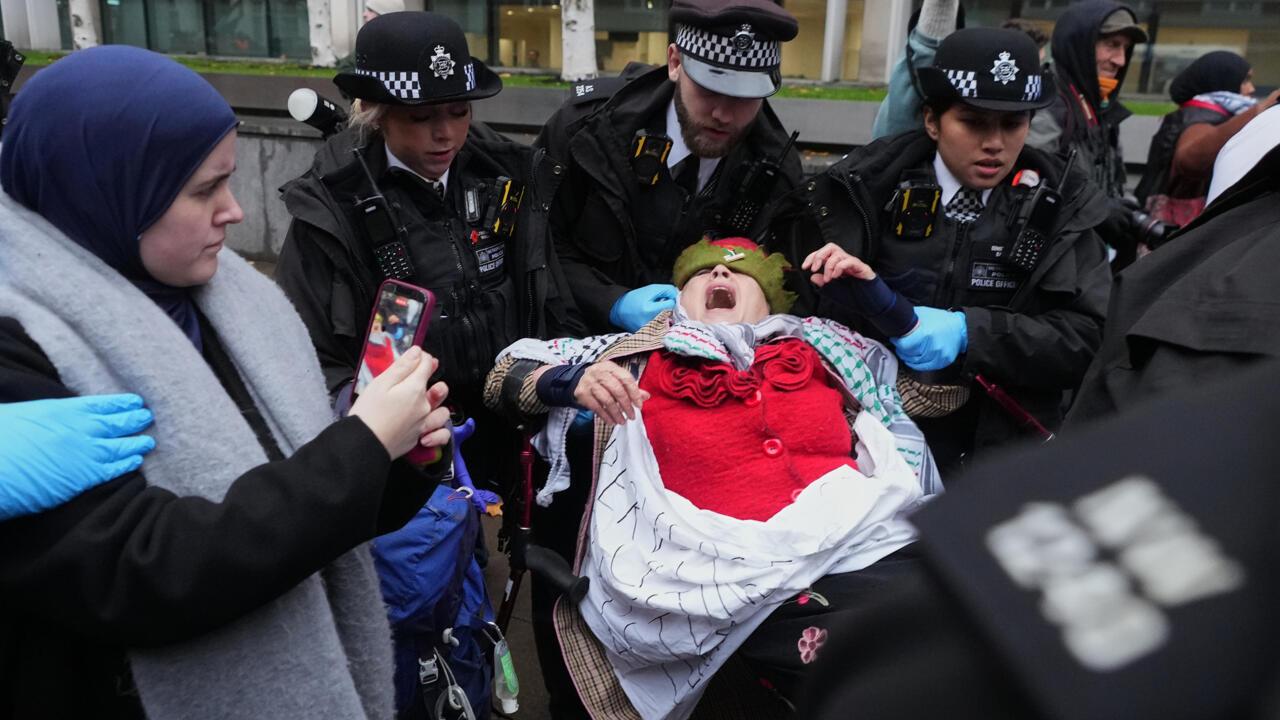
The report adds that “plus de 2 700 personnes ont été arrêtées depuis juillet et plusieurs centaines inculpées lors de dizaines de manifestations de soutien au groupe interdit,” citing Defend Our Juries.
RFI further states that even with the ruling, Palestine Action remains treated as a terrorist organization until the appeal is authorized, and that people holding signs reading « Je soutiens Palestine Action » could face prosecution and “condamnées à six mois de prison.”
Starmer links protests to risk
After the Golders Green stabbing of two Jewish men, Keir Starmer urged tougher action around some pro-Palestinian protests in the UK, particularly where chants include “globalise the Intifada.”
NBC News reports that the British government called antisemitism an “emergency,” and said it would spend millions increasing security around Jewish sites after “a string of arson attacks and a double stabbing,” with Starmer saying his government “will do everything in our power to stamp this hatred out.”
NBC News also says Starmer was heckled by about 100 protesters holding signs saying “Keir Starmer, Jew harmer” when he visited Golders Green on Thursday, and it quotes him saying “I absolutely understand the high levels of anxiety and concern that there are.”
The Independent and The Guardian both describe Starmer’s stance as a push to ban or stop some marches, with The Independent saying he backed “a ban on some pro-Palestine protests” as part of a crackdown on antisemitism.
In The Independent’s account, Starmer told the BBC’s Today programme that there were “instances” where it was appropriate to prevent such marches happening on UK streets, and he said he would fight “with every breath I have” for a diverse and tolerant Britain.
The Guardian adds that Starmer told BBC Radio 4’s Today programme: “When you see, when you hear some of those chants – ‘globalise the intifada’ the one that I would pick out – then clearly there should be tougher action in relation to that.”
The Guardian also reports that Starmer said he would not interfere in day-to-day policing but that “there are instances” in which he would support stopping some protests altogether.
Gulf News similarly frames Starmer’s comments as possible curbs, saying he indicated that banning some pro-Palestinian marches could be justified “especially when they call for the intifada to spread.”
Police chief and critics react
The push for restrictions is tied in the reporting to warnings from senior policing figures and to competing arguments from civil liberties and political leaders.
“You Browser Working London Working www”
The Guardian quotes Metropolitan police commissioner Mark Rowley saying a “dangerous and troubling” mix of hate crimes, terrorism and hostile states is coming together in the UK to create a “terrifying atmosphere for British Jews,” and it adds that he said polling suggests antisemitic views are widespread enough that “that has to be true.”
Rowley told the Times that Jewish communities felt the hostility and that “You can see that in how they talk, how it’s making them change their lives. That’s an appalling state of affairs.”
The Guardian also reports Rowley describing British Jews as on the “hate” list of every racist and extremist group, “whether you’re extreme left, whether you’re Islamist terrorist, whether you’re rightwing terrorist, and some hostile states as well now with some sort of Iranian-related threats.”
In the same Guardian report, Starmer is described as stressing that the discussion about stopping protests is not new, saying “That is a discussion we’ve been having with the police for some time.”
The Independent provides a counterpoint from Lord Mann, the government’s independent adviser on antisemitism, who told The Independent it would be “unconscionable” to outlaw peaceful pro-Palestine protests.
Lord Mann is quoted saying: “There are multiple small anti-Israel (or similar) protests every week. Usually involving a tiny number of people.”
He added: “If they are not calling for violence… then it is unconscionable in a democracy that any such concept could be acted upon.”
Different outlets frame the same chant
While multiple outlets describe Starmer’s position around “globalise the Intifada,” they frame the policy implications differently, ranging from calls to stop specific chants to broader arguments about banning marches.
The Guardian emphasizes Starmer’s distinction between day-to-day policing and “instances” where he would support stopping protests, quoting him that “there are instances” and that “it’s the repeat nature, it’s the cumulative effect.”
The Guardian also reports that Starmer said “I will defend the right of peaceful protest very strongly and freedom of speech,” while warning that “if you are on a march or a protest where people are chanting, ‘globalise the intifada’, you do have to stop and ask yourself, why am I not calling this out?”
LBC similarly reports that Starmer urged protesters to call out “globalise the Intifada” chanters and suggested “tougher action” against people using certain phrases, but it says he stopped short of agreeing with calls for a ban on the marches.
LBC quotes Starmer: “I don’t want to get involved in operational policing, but I think when you see, when you hear some of those chants, ‘globalise the Intifada’… the one that I would pick out, then clearly there should be tougher action in relation to that.”
The Independent, by contrast, presents Starmer as backing “a ban on some pro-Palestine protests,” and it includes his challenge to those who hear chants of ‘globalise the Intifada’ to ask “why am I not calling this out?”
Daily Sabah and Gulf News both describe Starmer as signaling possible bans, with Daily Sabah saying “Starmer says UK might ban some pro-Palestinian marches” and Gulf News saying “Keir Starmer signals possible curbs on pro-Palestinian marches.”
Middle East Eye adds a different framing by reporting that Starmer was accused of “weaponising” the Golders Green attack to target pro-Palestine protests, quoting Starmer’s claim that if people stand alongside those who say “globalise the intifada”, they are “calling for terrorism against Jews.”
Security measures and legal pressure
Beyond protest restrictions, the UK government’s response described in the reporting includes emergency security steps, a raised terror threat level, and arrests and prosecutions tied to antisemitic violence.
“British Prime Minister Keir Starmer said in an interview broadcast Saturday that certain pro-Palestinian marches could face restrictions or bans, particularly if they call for “the intifada to spread”
NBC News says Britain raised its official terror threat level on Thursday from substantial to severe, the second-highest rung on a five-point scale, and it reports that the Joint Terrorism Analysis Center raised the threat level from international terrorism from substantial to severe, meaning an attack is “highly likely” in the next six months.
NBC News also says police arrested a 45-year-old man on suspicion of attempted murder and labeled the stabbing attack as an act of terrorism, and it reports that detectives were working to determine a motive and whether there was any link to Iranian proxies.
It adds that the suspect had “a history of serious violence and mental health issues” and may have been involved in an “altercation” in another area of London hours before the Golders Green attack.
The report says Home Secretary Shabana Mahmood described antisemitism as an “emergency,” and it states the government announced 25 million pounds ($34 million) for more police patrols and protection around synagogues, schools and community centers.
NBC News also reports that police have arrested 28 people over arson attacks on synagogues and other Jewish sites, and that “did not cause any injuries,” with a handful charged and one teenager convicted after pleading guilty.
In the protest sphere, the reporting ties legal and policing pressure to the chant and to cumulative effects, with The Guardian saying Starmer’s comments were “not a discussion that has only been had this week” and that it has been “with the police for some time.”
Meanwhile, RFI’s earlier court ruling on Palestine Action adds another layer of legal consequence, stating that the ban remains in force until the appeal is authorized and that people celebrating with signs reading « Je soutiens Palestine Action » could be prosecuted and “condamnées à six mois de prison.”
More on Britain

King Charles III and Camilla Begin U.S. State Visit With Tea at White House
12 sources compared
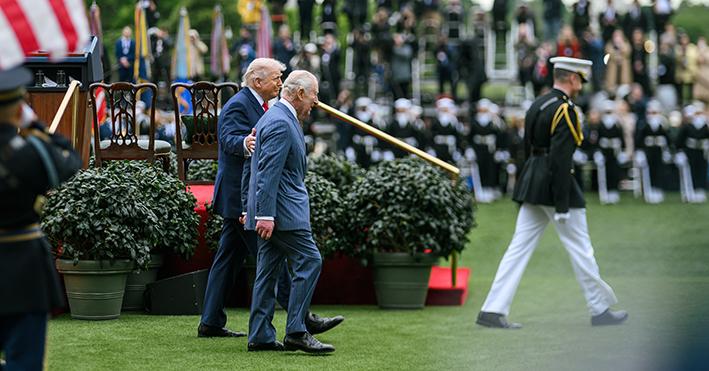
King Charles III Arrives in Washington, D.C. for Four-Day State Visit With Queen Camilla
28 sources compared

Zohran Mamdani Urges King Charles to Return Koh-i-Noor Diamond to India
15 sources compared
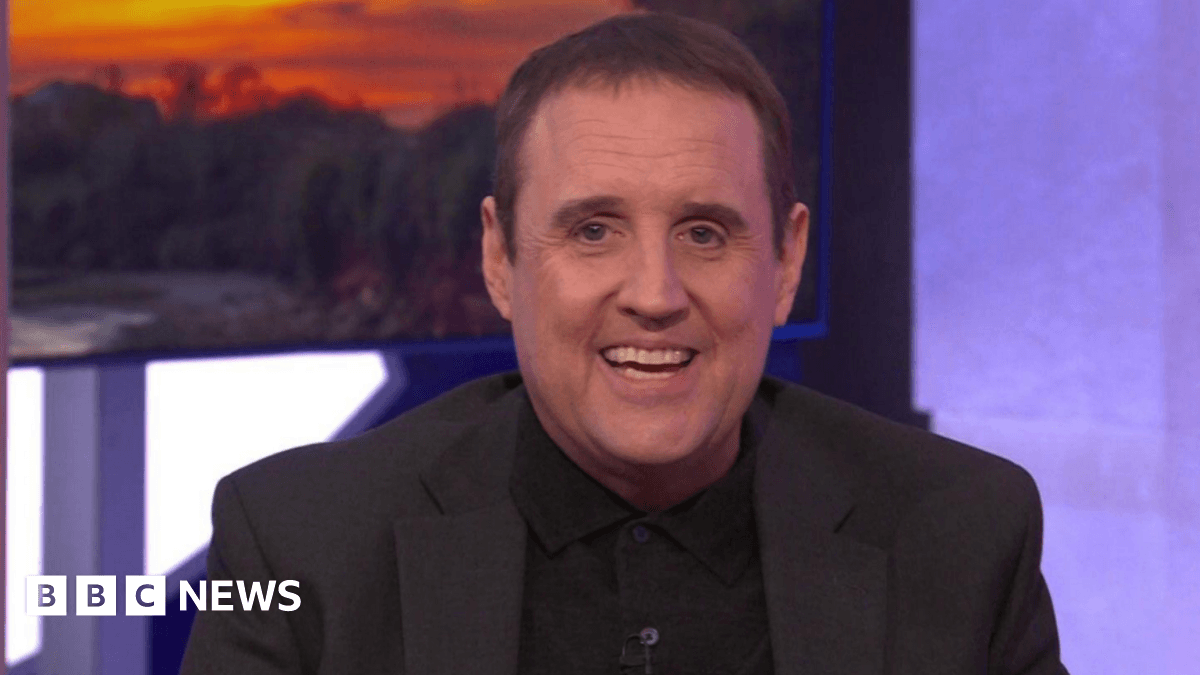
Peter Kay Show Evacuated In Birmingham After West Midlands Police Find Suspicious Bag
11 sources compared