
Britain · 01 May, 2026 · 7 min read
Zohran Mamdani Urges King Charles to Return Koh-i-Noor Diamond to India
New York City Mayor Zohran Mamdani urged King Charles III to return Koh-i-Noor to India. Mamdani spoke during a New York visit ahead of a meeting with King Charles III.
Whether Mamdani actually raised the diamond with King Charles during the meeting.
10 of 12 outlets skipped it: a hostile/insult reaction from UK opposition: Reform UK spokesperson Zia Yusuf calls Mamdani’s remarks an ‘insult to our King’..
15outlets compared
Same story, two versions
tap a side to read it in full
BBC
““Mamamdani later met King Charles at the ceremony but it's unclear if he brought up the diamond.””Read the original ↗
NDTV
““Later the same day, Mamdani also briefly interacted with the British monarch.””Read the original ↗
This affects interpretation: some coverage treats the request as merely a media statement, while other coverage emphasizes that an interaction occurred—raising the possibility the issue was conveyed directly.
Mamdani’s Return Request
New York City Mayor Zohran Mamdani said he would urge King Charles to “return” the Koh-i-Noor diamond to India if he spoke with the monarch separately from a public event.
“If I were to speak to the king separately from that, I would probably encourage him to return the Koh-i-Noor Diamond”
Mamdani made the comment during a press interaction ahead of a ceremony marking the victims of the September 11, 2001 attacks, and he later met the King and Queen at that event, where Charles laid flowers at the National 9/11 Memorial in lower Manhattan.

Mamdani told reporters, “If I were to speak to the king separately from that, I would probably encourage him to return the Koh-i-Noor Diamond,” and he repeated the same basic message in other coverage as he prepared to meet Charles.
The Independent reported that Mamdani was among dignitaries who met the King and Queen at a ceremony in the city on Wednesday commemorating victims of the September 11, 2001 attack on the city by al Qaeda.
NBC News described Mamdani’s remarks as coming when he was asked how he envisioned his meeting with Charles at the 9/11 memorial alongside other local and state leaders, and it noted that Mamdani did not specify where the diamond should be returned.
Buckingham Palace declined to comment on Mamdani’s remarks in multiple accounts, including a report that “A spokesperson for the royal family declined to respond to Mr Mamdani’s remarks.”
The controversy immediately reconnected Britain’s crown-jewel debate with a high-profile U.S. setting, as Mamdani’s statement was tied to the King’s visit and the 9/11 commemoration.
The Diamond’s British Link
The Koh-i-Noor diamond sits inside Britain’s crown-jewel system, and multiple reports tie Mamdani’s request to the gem’s long British possession.
The Independent said the Koh-i-Noor was “Once owned by Queen Victoria,” and it is “part of the British Crown Jewels and displayed in the Tower of London,” while BBC described it as “part of the Crown Jewels” whose ownership is disputed by India.B
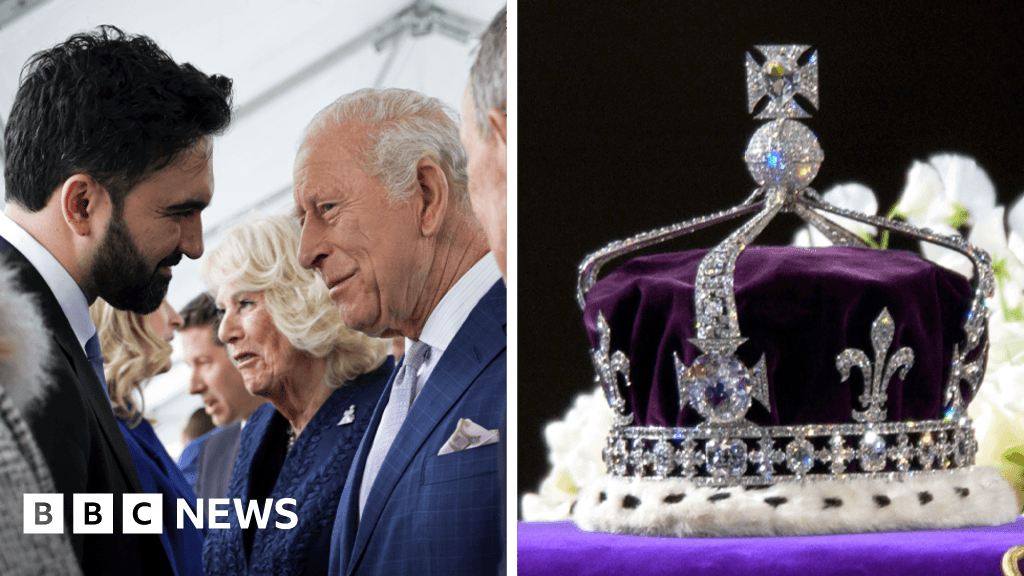
BBC also stated that the diamond is “105-carat” and that its ownership has been disputed because “India… claims that it was stolen during British rule.”B
Several accounts connect the diamond’s transfer to the 1849 Anglo-Sikh war settlement, with CBS News saying it was given to Queen Victoria in 1849 as a condition of the Treaty of Lahore, which ended the first Anglo-Sikh War.
NDTV and BBC both described the 1849 transfer in terms of the British annexation of Punjab and the Last Treaty of Lahore, with NDTV saying the diamond was “handed over to the British and subsequently presented to Queen Victoria.”
NBC News added that the diamond “was originally 186 carats” and that it was “given to Queen Victoria in 1849 as a condition of the Treaty of Lahore,” while also noting that “Many Indians believe the diamond still belongs to India and that the British stole it.”
The dispute is also framed through the diamond’s place in coronation-era jewelry: BBC said it is “currently set in the crown of Queen Elizabeth the Queen Mother,” and it described how Queen Elizabeth wore the crown for the 1937 coronation of King George VI and later for Queen Elizabeth II’s coronation.B
Competing Claims and History
Accounts of the Koh-i-Noor’s origins and ownership history vary in detail but converge on the diamond’s contested path through South Asian and Persian courts before reaching Britain.
“It was originally 186 carats, earning it the name that means “Mountain of Light.”
NBC News said the diamond is believed to have been mined in South India in the 13th century and that it “was originally 186 carats,” while BBC said it was “originally found in India's Golconda mines” and measured 186 carats when it was handed to the British in 1849.B
NDTV described the diamond’s weight as “around 105.6 carats” and said it has been estimated to be worth “over $200 million,” while also tracing origins to “the Kollur Mines of the Golconda region, now part of Telangana.”N
NDTV further said the diamond’s possession moved through “Mughal emperors, Persian shahs, Afghan rulers and Sikh maharajas,” and it identified Maharaja Duleep Singh as the last ruler of the Sikh Empire who was “still a child, around 10 years old” when the British annexed Punjab in 1849.N
BBC described the 1849 handover as being signed by the “10-year-old Sikh ruler, Duleep Singh,” after his mother was thrown in jail, and it said the diamond was recut after the Great Exhibition in 1851, with the re-cutting reducing its weight by “about 40%.”B
The Hill reported that the diamond weighs “105.6 carats” and that it has been in the possession of the British government since the mid-1800s, while TF1 Info said the diamond is “105.6-carat” and described its reputation and curse legend.
Multiple reports also emphasize that India’s claim is not the only one: CBS News said “Pakistan, Iran and Afghanistan have also squabbled over who should have the jewel,” and RTL.fr said the gem’s history blends claims from “Afghanistan, Iran, and Pakistan.”
British Neutrality and Reactions
The Koh-i-Noor debate immediately drew reactions in Britain as Mamdani’s remarks were relayed through U.S.-based coverage and then into British political commentary.
The Independent reported that “Members of the royal family are constitutionally required to remain strictly neutral on politics,” and it said a spokesperson for the royal family declined to respond to Mamdani’s remarks, citing Politico.

CBS News added that Buckingham Palace declined to comment on Mamdani’s remarks Wednesday, and it quoted a royal contributor, Foreman, saying, “The king has no more power to return the diamond than he has to return Buckingham Palace to the people.”
CBS News also quoted Republican strategist O'Brien Murray calling Mamdani’s move a “Terrible idea, terrible idea,” and it said, “As the mayor of New York, he was speaking to the king through the media. Stay out of foreign policy unless it helps all New Yorkers with your current problems.”
In the U.K. political arena, RTL.fr reported that Zia Yusuf, spokesperson for Reform UK, called Mamdani’s remarks an “insult to our King,” and Business AM similarly said a Reform UK politician criticized his position and that Zia Yusuf stated on the X platform that the diamond would remain on display at the Tower of London.
TF1 Info said Mamdani’s remarks “drew reactions” and named Zia Yusuf, calling them an “insult to our King,” while Point de Vue described the episode as a “slap in the face” and said it was “hard to be a king” when going from “a dinner served on gold plates” to a “slap in the face.”
The Hill also reported that a spokesperson for Buckingham Palace declined to comment on Mamdani’s remarks, and it placed Mamdani’s comments alongside Charles’s remarks during a Tuesday address to a joint meeting of Congress about the “25th anniversary of Sept. 11.”
Where the Debate Goes Next
The immediate question raised by Mamdani’s remarks is not only whether the Koh-i-Noor should be returned, but what “return” would mean in practice, and multiple outlets highlight that he did not specify a destination.
“Mamdani did not specify in his comments where the diamond should be returned to”
NBC News said Mamdani did not specify in his comments where the diamond should be returned to, noting that “multiple countries, including India, have expressed a claim to the gemstone.”
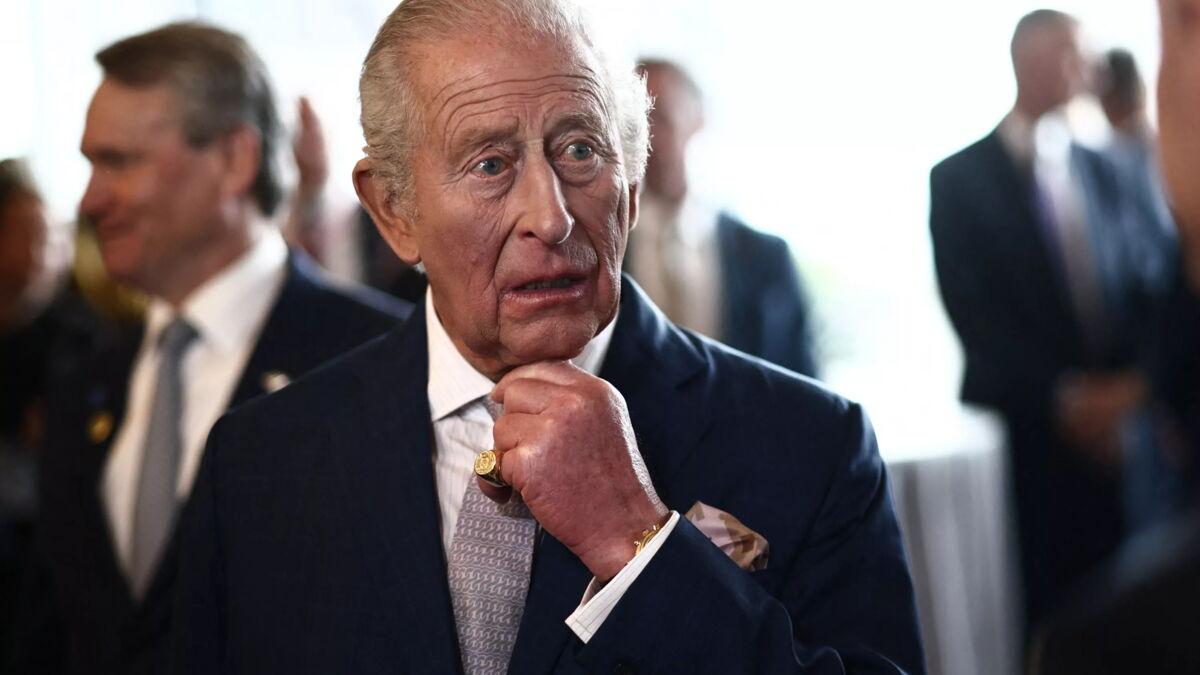
CBS News similarly framed the controversy as a dispute over ownership, stating that “Many Indians believe the diamond still belongs to India and that the British stole it,” while also noting competing claims from “Pakistan, Iran and Afghanistan.”
The Independent reported that India has demanded its return “several times since independence in 1947,” and it said India’s most recent request for it was in 2016, while BBC said India has repeatedly sought the return and described the gem as “a valued piece of art with strong roots in our nation's history.”B
On the British side, La Croix described the government’s repeated rejection of claims and quoted David Cameron’s 2010 position: “If any one of them were accepted, the British Museum would suddenly be left empty. I fear the Koh-i-Noor must stay where it is.”
TF1 Info similarly referenced Cameron’s quip about the British Museum, and it said Charles III has not yet commented.
Even as the public debate continues, the sources emphasize that the diamond remains displayed in Britain’s crown-jewel setting at the Tower of London, with Business AM stating that “the British government maintains that the Koh-i-Noor will remain among the Crown Jewels of the British Crown.”