
UK government launches six-week social media curbs pilot for teenagers
Key Takeaways
- 300 UK teenagers across four nations participate in a six-week pilot of social media restrictions.
- Restrictions tested include bans, curfews, and time limits on popular apps.
- The pilot runs alongside a government consultation on potential under-16 social media bans.
Pilot Overview
The UK government has launched a comprehensive six-week pilot program testing social media restrictions on 300 teenagers across all four nations of the country.
“- Published Social media bans, digital curfews and time limits on apps are to be trialled in the homes of hundreds of UK teenagers”
This initiative represents a significant step in addressing concerns about children's digital wellbeing and social media impacts.
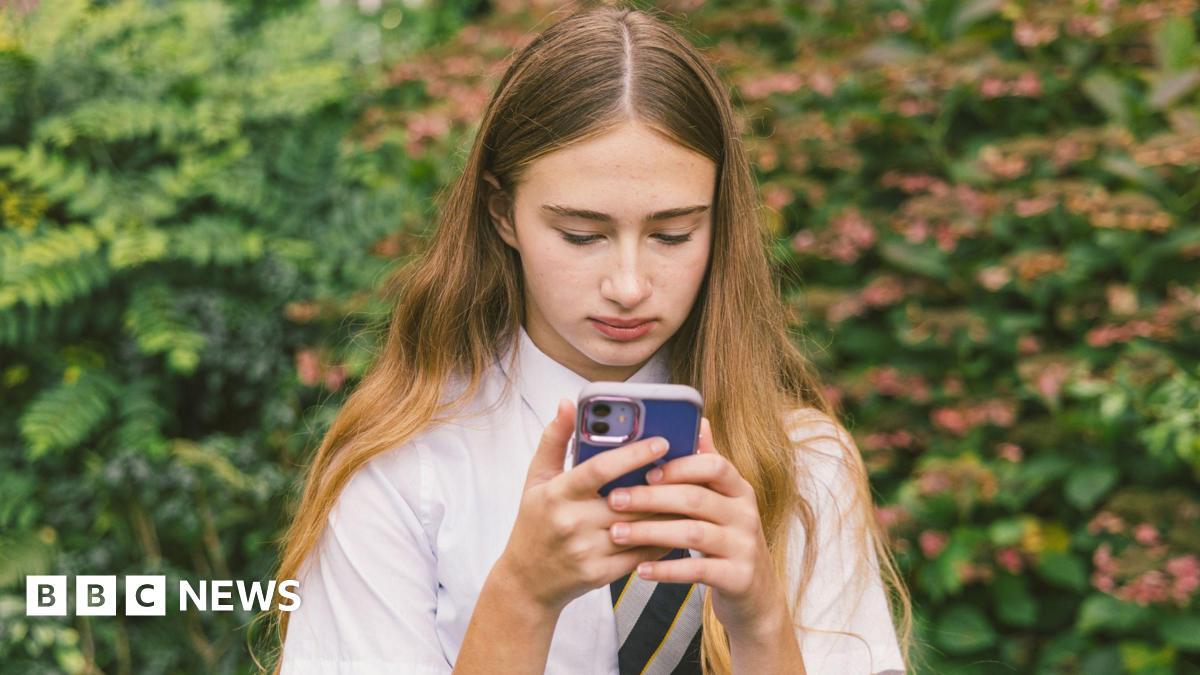
The pilot, led by Technology Secretary Liz Kendall and the Department for Science, Innovation and Technology (DSIT), will test various restrictions in real-world home environments to gather evidence that could inform future policy decisions.
The program runs alongside a broader national consultation on children's digital wellbeing that has already attracted nearly 30,000 responses from parents and children since launching on 2 March 2026.
This extensive consultation closes on 26 May 2026, making the pilot results crucial for informing the government's next steps on regulating social media access for young people.
Restriction Methods
The pilot employs a rigorous scientific methodology testing four distinct approaches to social media restriction across the 300 participating families.
Participants will be divided into four groups, each experiencing different levels of access control: one group will have social media apps entirely disabled through parental controls, effectively mimicking a complete ban.
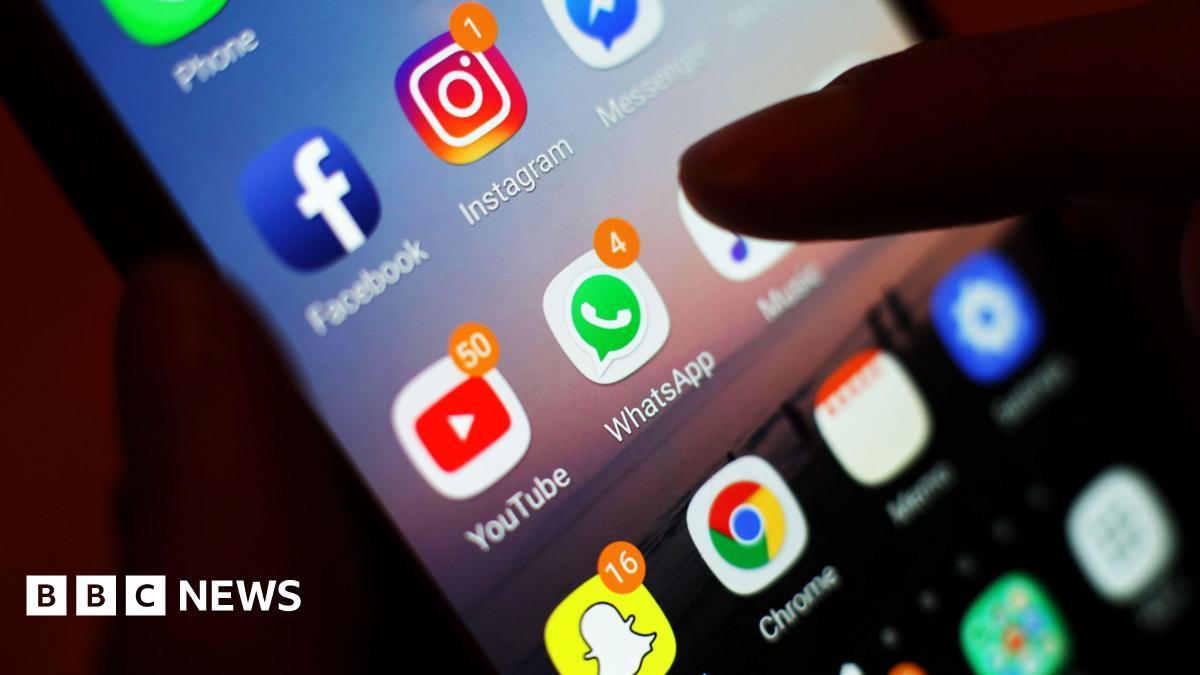
A second group will face a one-hour daily cap on popular platforms including Instagram, TikTok and Snapchat.
A third group will have access blocked between 9pm and 7am under a digital curfew system.
While a final control group will maintain their current social media usage patterns for comparison purposes.
Both children and parents in all groups will undergo comprehensive interviews before and after the pilot period to assess the practical challenges, effectiveness, and impacts on family dynamics, sleep patterns, and academic performance.
International Context
The initiative is part of a growing international movement to regulate young people's social media access, with the UK government explicitly looking to Australia's world-first December 2025 ban on under-16s accessing major social platforms as a model.
“Hundreds of teenagers across the UK are set to take part in a government-backed trial of social media restrictions, as ministers weigh whether to introduce a nationwide ban for under-16s”
Other countries including France, Spain, and Indonesia are also considering similar restrictions, creating a global momentum toward tighter regulation of youth digital access.
However, UK ministers have deliberately avoided committing to an outright ban at this stage, citing concerns about potential unintended consequences.
Technology Secretary Liz Kendall emphasized that the government wants to gather robust evidence before making policy decisions, noting that restrictions could potentially push young users toward less regulated parts of the internet or create enforcement challenges.
This cautious approach reflects the complex balance between protecting children and maintaining realistic, workable solutions.
Expert Divide
Expert opinions on the proposed social media restrictions remain sharply divided, reflecting the complexity of balancing child protection with digital freedom.
Some organizations and experts express strong support for potential bans, with the NSPCC's associate head of child safety online policy Rani Govender arguing that decisive action is necessary to protect young people from harmful content.

Govender specifically called for tech companies to build safety into every device and platform, warning that failure to implement either safety improvements or a social media ban would be preferable to maintaining the current status quo.
Conversely, other experts and youth groups have expressed skepticism about the effectiveness of outright bans, with some researchers and young people interviewed recently reportedly opposed to such restrictions.
This division extends to concerns about potential workarounds teenagers might develop to bypass controls, as well as warnings that restrictions could drive young users toward darker, less regulated corners of the internet where even less oversight exists.
More on Britain

Police arrest two men over arson attack on Jewish ambulances in Golders Green
13 sources compared
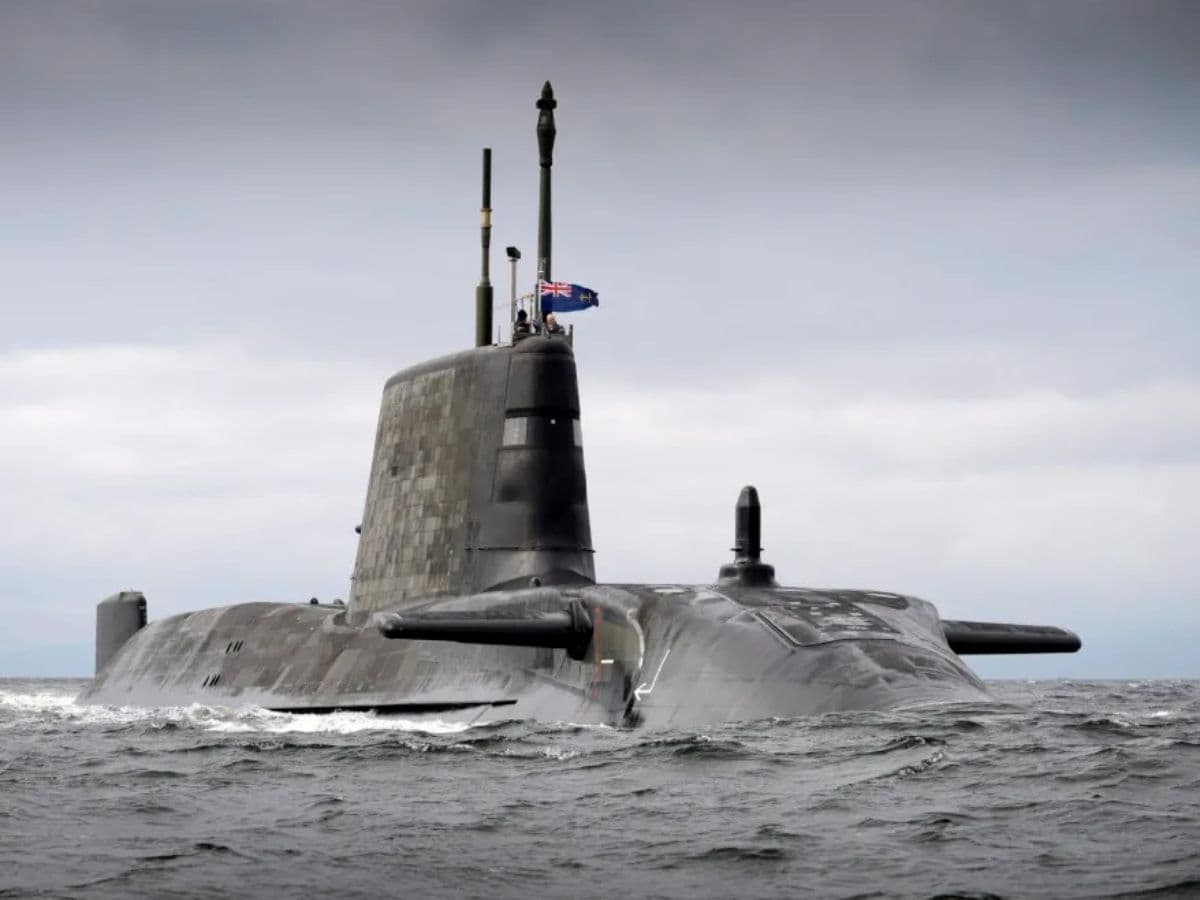
Britain's Nuclear Powered HMS Anson Arrives in Arabian Sea, Ready to Strike Iran
12 sources compared

Iranian Man and Romanian Woman Charged After Attempt to Breach Faslane Nuclear Submarine Base
24 sources compared
Iran Directs Spying on London Jews as Two Men Face UK Charges
12 sources compared