UK Home Office Appeals High Court Ruling That Banned Palestine Action Illegal
Key Takeaways
- High Court ruled Palestine Action ban illegal under anti-terror laws.
- Home Office appeals; judges called the ban disproportionate.
- London protests linked to the ban produced over 500 arrests.
Ban Ruled Illegal
A British High Court ruling on February 13 declared the ban on Palestine Action illegal, setting off a new phase in a legal fight over protest and anti-terror powers.
L'Humanité says the court held that the movement's ban was unlawful on Friday, February 13, with three judges presiding over the King’s Bench Division led by Victoria Sharp.

In that account, Victoria Sharp described Palestine Action as an organization "that pursues its political cause through crime and incitement to crime," while also stating that "the court found that Palestine Action’s ban was disproportionate."
Amnesty International France similarly frames the decision as the British High Court of Justice issuing its ruling that banning Palestine Action under anti-terrorism legislation is illegal, calling it a reaffirmation of the right to protest.
Al Jazeera reports that the UK is appealing the High Court’s landmark ruling, noting that top judges described the proscription as “disproportionate” in February.
Sky News adds that the Home Office is appealing against the February ruling that the ban on Palestine Action under anti-terror laws should be quashed, with the appeal heard at the Court of Appeal on Tuesday 28 April 2026 10:43, UK.
The Guardian says the home secretary, Shabana Mahmood, will have her appeal against the high court ruling heard in the court of appeal this week, beginning on Tuesday, and it connects the appeal to the High Court’s decision that the ban was unlawful.
Crackdown and Arrests
Even after the High Court’s February ruling, the legal battle has been accompanied by large-scale arrests tied to support for Palestine Action, with multiple outlets describing the scale and the policing tactics.
L'Humanité says the authorities' crackdown had led to hundreds of arrests at solidarity protests and to the endangering of detainees held in custody, left on hunger strike for months.

Amnesty International France provides specific figures, saying that since the ban on Palestine Action, nearly 1,600 people who publicly supported the organization have been arrested within the United Kingdom, and it cites Metropolitan Police data that at a demonstration against its ban on Parliament Square in London on August 9, 522 people were arrested.
It also says that on September 6, 890 people were hauled away by police during another demonstration, and it reports that protesters held signs reading 'I oppose genocide, I support Palestine Action'.
Amnesty International France adds that most face up to six months in prison under anti-terrorism laws, while also describing police pushing people and using their batons to disperse the crowd while protesters were being arrested and loaded into police vans.
The Guardian describes the civil disobedience campaign coordinated by Defend Our Juries (DOJ) and says that by the time of the high court’s judgment, according to DOJ, more than 2,700 people had been arrested for alleged support of a terrorist group under section 13 of the Terrorism Act, which carries a maximum sentence of six months in prison.
Al Jazeera adds that the proscription remained in place amid the appeals process and that it is still illegal to show support for the group, while also reporting that London’s Metropolitan Police announced it was unlikely to arrest supporters after the ruling but reversed that policy weeks later.
Appeal Hearing and Arguments
As the Court of Appeal process moves forward, the outlets describe both the government’s posture and the activists’ strategy for the next stage of litigation.
Al Jazeera says the UK is appealing the High Court’s landmark ruling, and it describes a two-day hearing beginning on Tuesday at the Court of Appeal in London, after top judges described the proscription as “disproportionate” in February.
It also reports that the fate of those arrested remains uncertain, and it notes that London’s Metropolitan Police announced it was unlikely to arrest supporters in the aftermath of the High Court ruling but reversed that policy weeks later.
The Guardian says the appeal is being heard this week and ties it to the High Court’s decision not to quash the ban, meaning the offence to show support for Palestine Action remains punishable by a maximum prison sentence of 14 years for more serious offences under section 12 of the Terrorism Act.
Sky News frames the same procedural step in a live-watch format, stating that the Home Office is appealing against a High Court ruling in February that the ban on Palestine Action under anti-terror laws should be quashed.
L'Humanité adds that Britain’s government on Friday, February 13 saw its repressive policy toward Palestine Action challenged, and it says the UK Home Secretary, Shabana Mahmood, announced that she would appeal the decision.
The Guardian further describes how the High Court found the ban unlawful on two grounds, including that proscription was a “very significant interference” with the right to freedom of speech and freedom of assembly, and that it was a breach of the home secretary’s own policy on proscription.
Protesters, Letters, and Voices
Beyond the courtroom, multiple outlets describe public defiance and the involvement of prominent figures, with activists continuing to stage demonstrations while the ban remains in force during the appeal.
Novara Media says more than 1,000 people, including Irish author Sally Rooney and climate activist Greta Thunberg, signed a letter in defiance of the ban on Palestine Action, expected to be hand-delivered to the court on Tuesday 28 April.
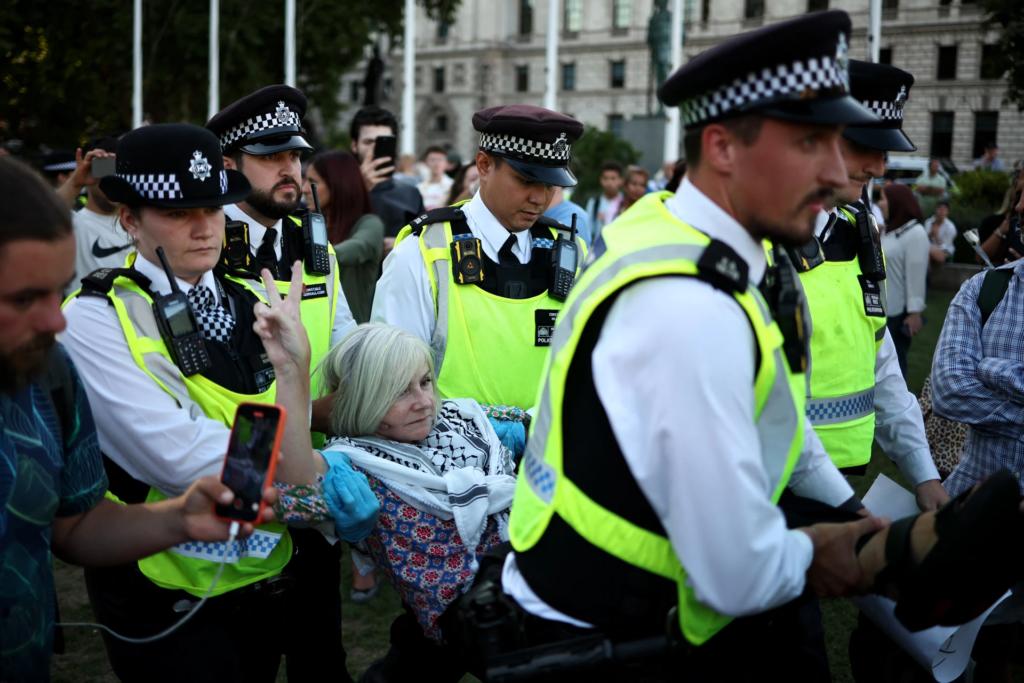
It quotes the letter as stating: “We oppose genocide, we support Palestine Action.”
Novara Media lists signatories including distinguished professor Judith Butler, musician Brian Eno, Israeli professors Ilan Pappé and Avi Shlaim, author and anti-apartheid campaigner Andrew Feinstein, and Massive Attack frontman Robert Del Naja, and it says all signatories risk arrest under UK terror law.
The outlet also quotes a spokesperson for Defend Our Juries (DOJ) saying, “It takes something out of the ordinary for so many eminent professors, including professors of law, to risk arrest under the Terrorism Act.”
Al Jazeera reports that celebrities and scholars including Sally Rooney, climate activist Greta Thunberg and Israeli historian Ilan Pappe signed a seven-word letter declaring support for Palestine Action, and it reproduces the text: “We oppose genocide, we support Palestine Action,” adding that the letter will be delivered to the court on Tuesday by political philosopher and professor Peter Hallward.
The Guardian adds that the civil disobedience campaign coordinated by DOJ involved protesters holding placards saying: “I oppose genocide, I support Palestine Action,” and it reports that the arrest of protesters including clergy, pensioners and military veterans prompted further criticism of the ban.
What’s at Stake Next
The sources depict the stakes as both legal and political, with the appeal’s outcome affecting whether support for Palestine Action remains a criminal offence and how far anti-terror tools can reach.
The Guardian says that because of the High Court’s decision not to quash the ban, for now it remains an offence to show support for Palestine Action, punishable by a maximum prison sentence of 14 years for more serious offences under section 12 of the Terrorism Act.
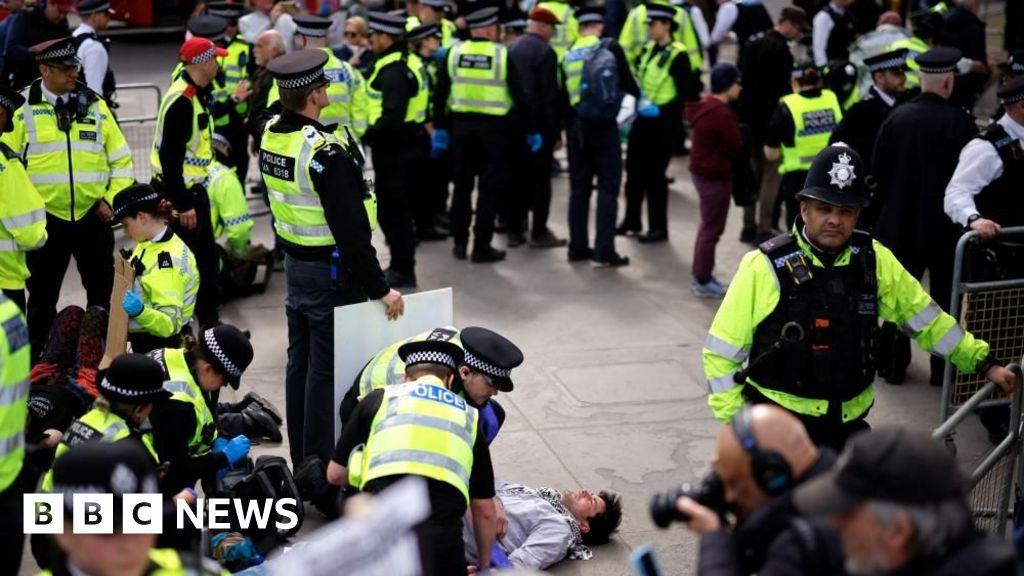
It also states that whether the 3,000-plus people arrested, of whom more than 500 have been charged, will stand trial remains uncertain until it is determined whether it was unlawful to ban the organisation they are accused of supporting.
Al Jazeera adds that the proscription remained in place amid the appeals process and that it is still illegal to show support for the group, while also noting that the Home Office said, “There are many lawful ways to support the Palestinian cause without being a member or supporter of this harmful organisation.”
Amnesty International France frames the High Court decision as a message that the government cannot rely on expanded anti-terror powers to silence critics or repress dissent, and it says the ban effectively criminalized its members and supporters with risk of up to 14 years in prison.
L'Humanité describes the ban as creating a precedent, being the first of a protest movement that advocates direct action and civil disobedience, in a non-violent manner, and it says the ban on Palestine Action has especially created a precedent.
Looking ahead, Novara Media says a judgement on the government’s appeal is expected to be delivered in late May or early June, and it states that if the government’s appeal fails, the ban on Palestine Action will likely be lifted and the initial judicial review ruling upheld, while also noting the possibility of a further appeal to the Supreme Court remains.
More on Protests
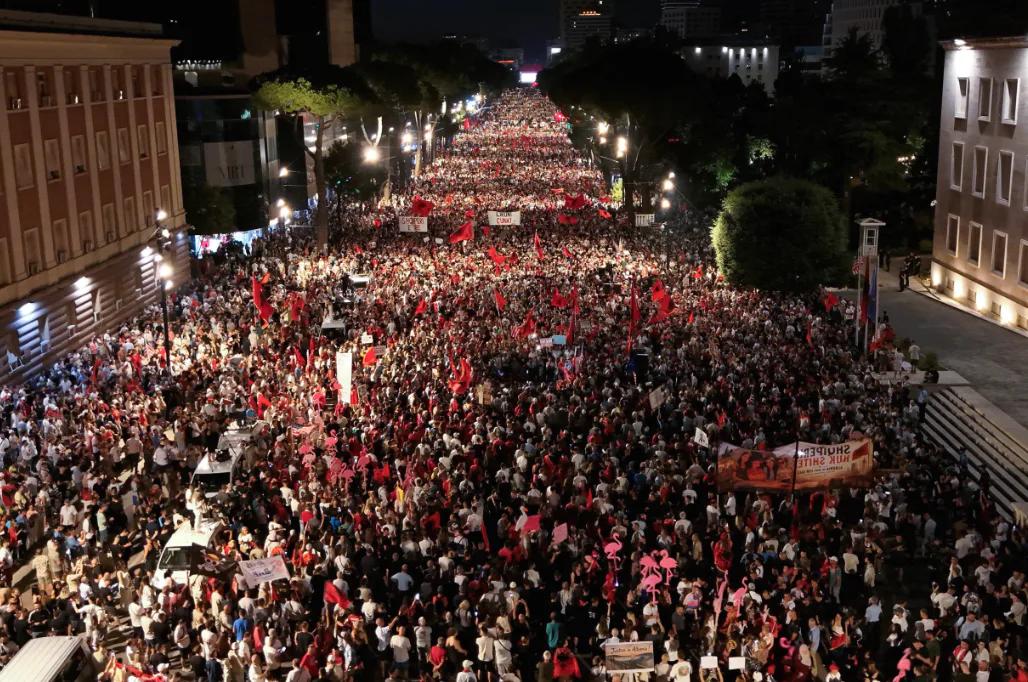
Thousands Protest in Tirana for Edi Rama Resignation, Demand Release of Arrested Protesters
11 sources compared
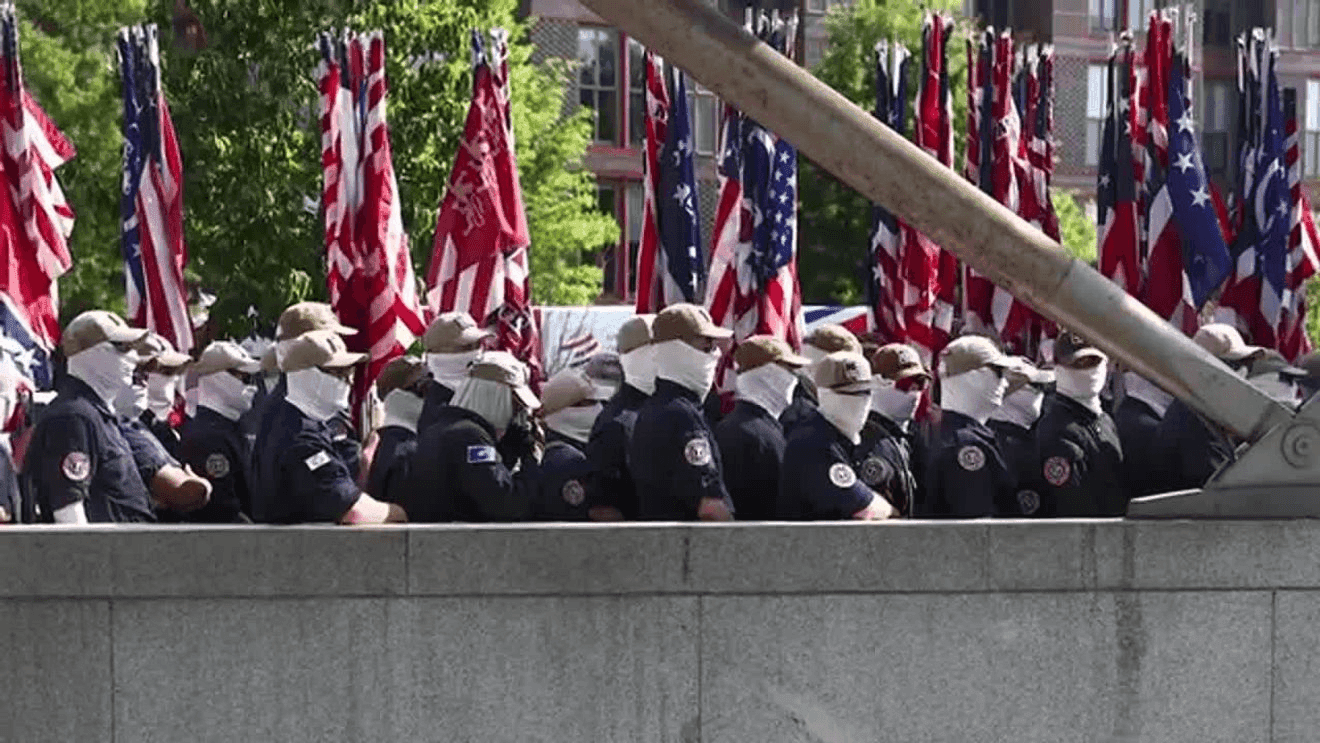
Patriot Front Marchers Carry Confederate Flags in Washington During Trump’s Freedom 250
18 sources compared
Serbia Protests Continue As Aleksandar Vučić Pledges Resignation Amid Police Charges
20 sources compared
Miguel Díaz-Canel Confirms Ramiro Valdés Menéndez Death at 94, Cuban Revolution Commander
11 sources compared