
UKHSA rushes antibiotics as University of Kent meningitis outbreak kills 2, leaves 11 seriously ill
Key Takeaways
- 13 cases identified; two deaths and 11 seriously ill in Canterbury meningitis outbreak.
- UKHSA supplied precautionary antibiotics to students in Canterbury.
- Cases are invasive meningococcal disease with signs of meningitis and septicaemia.
Outbreak Overview
A severe outbreak of invasive meningococcal disease at the University of Kent has resulted in two deaths and left 11 students seriously ill in hospital.
“- Published Two people have died following an outbreak of "invasive" meningitis at the University of Kent”
The UK Health Security Agency (UKHSA) has been notified of 13 cases showing signs and symptoms consistent with meningitis and septicaemia between Friday and Sunday.

Both of the people who died are believed to be between 18 and 21 years old, with one confirmed to be a University of Kent student.
The 11 seriously ill individuals are also primarily students from the Canterbury area, with most falling within the same age range of 18-21.
Disease Characteristics
The outbreak involves meningococcal disease, an uncommon but serious infection that can cause both meningitis and septicaemia.
Meningitis is an infection of the protective membranes surrounding the brain and spinal cord, while septicaemia is a form of blood poisoning that can rapidly lead to sepsis.
The disease spreads from person to person through respiratory droplets or throat secretions.
Health officials warn that the disease can progress rapidly with devastating consequences.
Symptoms include rashes, sudden fever, severe headaches, stiff neck, vomiting, diarrhoea, joint and muscle pain, sensitivity to bright lights, cold hands and feet, seizures, confusion, and extreme sleepiness.
Septicaemia can cause a characteristic rash that does not fade when pressed against glass.
Public Health Response
Health authorities have launched an extensive response to contain the outbreak.
“Two students dead and 11 in hospital over University of Kent meningitis outbreak Two students at the University of Kent have died amid an outbreak of invasive meningitis as UKHSA contacts more than 30,000 people Two students from the University of Kent have tragically lost their lives following an outbreak of invasive meningitis, as confirmed by health officials”
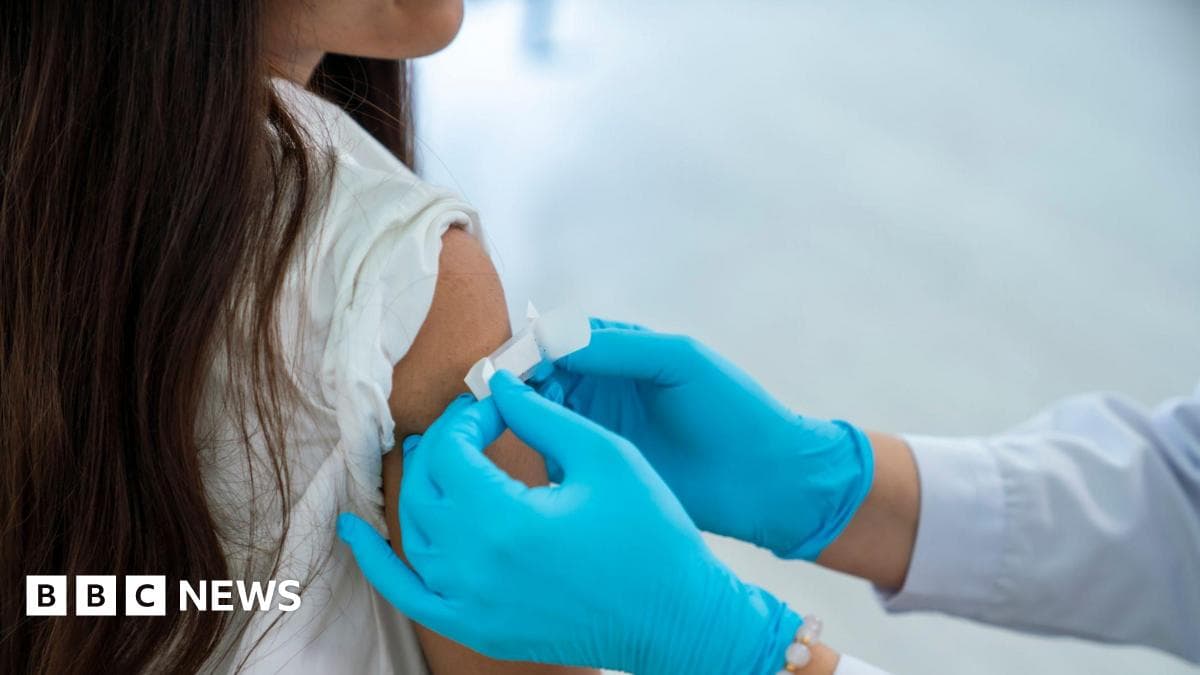
The UK Health Security Agency is working alongside the National Health Service to provide precautionary antibiotics.
The UKHSA is contacting more than 30,000 students, their families, and university staff.
Agency specialists are interviewing affected individuals and their families to identify close contacts.
Antibiotics are being arranged to limit the spread of the infection.
The specific strain of meningococcal disease has not yet been identified.
Event Connection & Response
The outbreak is believed to be linked to a social event in Canterbury that some of the affected students attended.
University officials have expressed deep sorrow over the loss of life.

A University of Kent spokesperson confirmed that one student has died following a case of invasive meningitis.
The university emphasized that the safety of students and staff remains their highest priority.
The university has issued advice and guidance to both staff and students.
Support is being provided to local hospitals and NHS 111 services.
Public Health Warnings
Health officials are urging students and the wider community to remain vigilant about the symptoms.
“All Sections Sign In Subscribe News UK Politics Europe US Property Environment Crime Education Science Transport Obituaries Weather Submit Your Story Celebrity Royals TV Travel Lifestyle Beauty Fashion Food and Drink Homes and Gardens Family and Parenting Health Sport Football Olympics Formula 1 Cricket Rugby Other Sport Free Speech Newsletters BREAKING Meningitis and septicaemia outbreak at University of Kent leaves two dead By Jamie Jones Editor Share Published 16th Mar 2026, 10:35 GMT A school pupil and university student have died following a meningitis and septicaemia outbreak”
Trish Mannes, UKHSA regional deputy director for the South East, emphasized that students are particularly at risk.

Early warning signs can be confused with common illnesses like colds, flu, or hangovers.
Checking on friends who go to bed unwell is crucial.
Seeking medical help promptly could save lives.
The UKHSA is monitoring the situation closely while providing support to various services.
More on Technology and Science
Trump Announces White House Chief of Staff Susie Wiles Has Breast Cancer
26 sources compared

Apple Unveils AirPods Max 2 With H2 Chip, Live Translation, and Improved ANC
21 sources compared

Short circuit triggers ICU fire at SCB Medical College in Cuttack, killing 10
24 sources compared

ByteDance Halts Seedance 2.0 Global Launch Over Copyright Disputes
12 sources compared