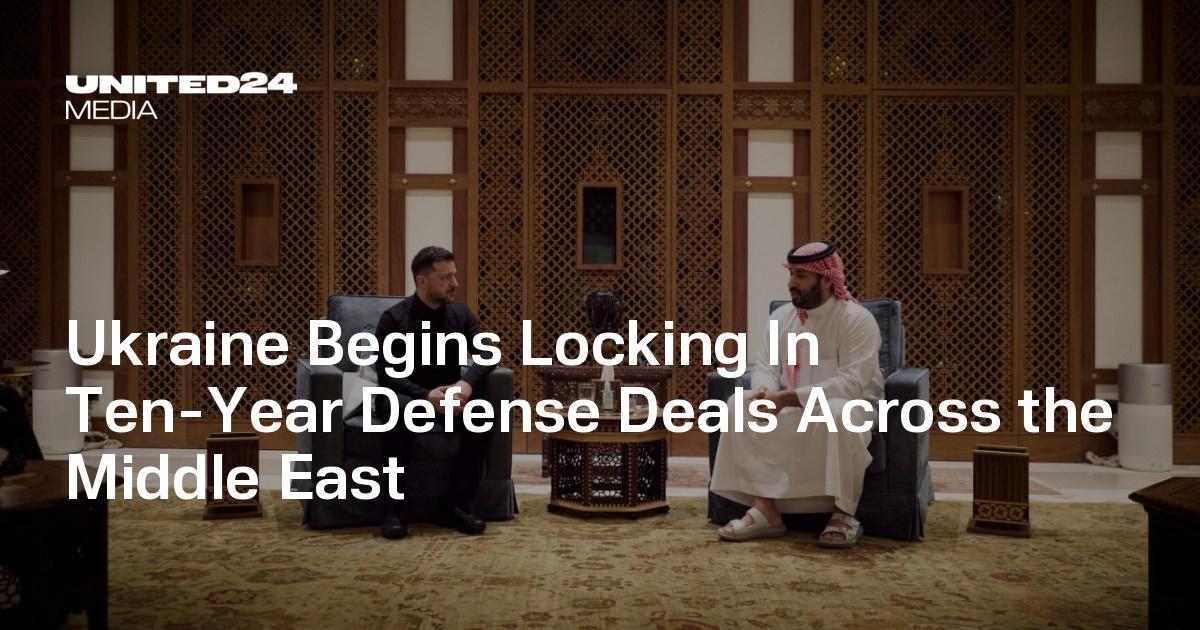
Ukraine Signs 10-Year Defense Pacts With Saudi Arabia, Qatar To Export Drone-Defense Know-How
Key Takeaways
- Zelenskyy signs 10-year Gulf defense pacts with Saudi Arabia and Qatar, expanding Ukraine's defense role.
- Ukraine offers counter-drone defense expertise to Gulf allies as part of deals.
- Visits to UAE, Qatar and Saudi Arabia occurred to counter Iranian drone threat.
New Gulf defense pacts
Ukraine has struck 10-year defense agreements with Saudi Arabia and Qatar, with UAE negotiations advancing as Zelenskyy’s regional tour continues, signaling a major shift from donor-to-defender in the Gulf.
“Zelenskyy visits Gulf Arab states to talk drone defense Kyiv offers its drone expertise to help Gulf Arab states blunt Iran’s attacks”
The agreement includes collaboration in technological fields, development of joint investments and the exchange of expertise in countering missiles and unmanned aerial systems.

Ukraine is offering a cheap way of countering Iranian drones, built on experience downing Shahed-type attacks since 2023, while Gulf partners seek scalable, low-cost defenses to supplement high-end interceptors.
Analysts say Gulf states view Kyiv’s interceptors as a cost-effective, scalable complement to Patriot- and THAAD-level systems, potentially reshaping regional air-defense architectures.
This new security dynamic is being framed as a foundation for broader contracts and investment, signaling a restructuring of regional security partnerships.
Deal specifics & demands
UNITED24 Media describes the package as 10-year contracts worth billions, involving joint production, training programs, and education, with funds earned to be used for purchasing the weapons Ukraine needs.
The same outlet notes not all details can be disclosed publicly, but emphasizes the scale: a decade-long horizon with billions of dollars in play.

Long-term partnerships are framed as creating development and cooperation opportunities for both private and public sectors, not just arms sales.
Defense News contextualizes the transactional logic: Kyiv is offering interceptor-drones and tactics in exchange for high-end interceptors (PAC-3) that Gulf partners can spare, a swap meant to stretch scarce but critical capabilities.
Gulf International Forum warns that sustaining defense under chronic drone pressure requires more than expensive missiles; it demands a model of continuous, scalable defense that can absorb large volumetric threats.
Regional security context
Tehran insists it is targeting US assets in the Gulf in retaliation for the US-Israeli war on Iran, but the assaults have upset Gulf relations as civilians are put at risk.
“In recent weeks, the Iran war has shone a spotlight on Ukraine’s emergence as a drone superpower”
The Gulf states’ turn to Ukraine reflects a desire for cost-effective, mass-defensive capabilities that can saturate drone threats while avoiding profligate expenditure on high-end interceptors.
Ukraine’s emergence as a drone superpower is increasingly cited by think tanks as a model for regional defense partnerships, with Gulf states studying Kyiv’s development cycle and industrial approach.
There is concern in Washington and allied capitals about potential weapon-diversion or shifting stockpiles toward the Middle East if the Iran war deepens, potentially affecting Ukraine's own munitions pipeline.
Exporting defense know‑how
The New York Times frames Kyiv’s move as a shift from a recipient to a supplier of military tech, highlighting the potential to offset European funding gaps by selling Ukrainian drone-defense capabilities abroad.
UNITED24 Media stresses that long-term partnerships will spur private-public sector cooperation and expand Ukrainian manufacturers’ access to Gulf markets, with funds reinvested to bolster Ukraine’s own defense needs.
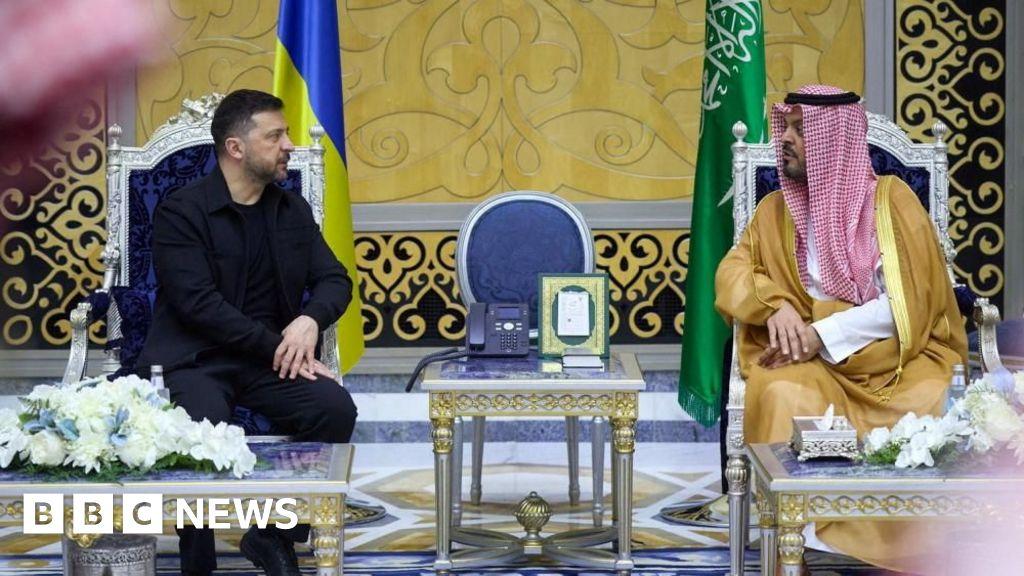
Defense outlets emphasize a transactional logic: Kyiv offers low-cost, scalable interceptor capabilities in exchange for access to higher-end missiles, while still seeking assurance that Western support remains steady.
The Los Angeles Times notes the strategic impulse behind broadening Gulf deals as Ukraine navigates the risk that Western aid and attention may be strained by the broader Iran conflict.
At the same time, Western officials and think tanks warn that diverted weapons or stretched supply lines could complicate Kyiv’s reliance on international partners, underscoring the need for a stable, plural supply chain.
Risks & geopolitical framing
The Atlantic Council cautions that Gulf states’ appetite for Ukraine’s tech exists within a broader framework of regional modernization and the desire for greater domestic defense capacity, a trend that could reshape tech transfer dynamics for years.
“Ukrainian President Volodymyr Zelenskyy on Friday said the country had signed an agreement on defense cooperation with Saudi Arabia that lays the foundation for future contracts and investment”
Gulf International Forum emphasizes that sustaining air defenses against sustained drone campaigns requires building resilience against mass, low-cost threats rather than relying solely on expensive missiles.

Defense News notes Zelenskyy’s framing of the deals as transactional—‘PAC-3-for-interceptor’ swaps—highlighting the fragility of a system that depends on scarce, high-end interceptors in multiple theaters.
The Jerusalem Post and other regional observers view the Gulf outreach as a real, tangible export of drone-defense know-how, even as questions linger about how these partnerships will align with U.S. and European strategic priorities.
BBC coverage of Iran’s regional behavior underscores the risk that escalation could redraw security loyalties, complicating the cohesion of Western support for Ukraine if new Gulf deals shift attention and arms flows.
More on Ukraine War
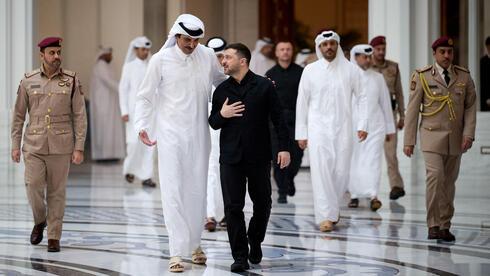
Ukraine Signs Ten-Year Qatar Pact To Co-Produce Counter-Drone Systems
19 sources compared

Zelenskyy Asks U.S. For Missiles In Exchange For Ukraine's Drone Expertise During Saudi Visit
12 sources compared

US Requires End Of Fighting Before Security Guarantees For Ukraine Begin
25 sources compared

Pentagon Weighs Redirecting Weapons Destined for Ukraine to West Asia
19 sources compared