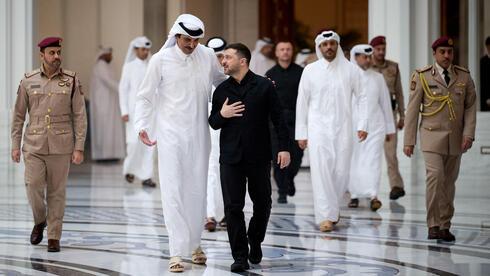
Ukraine Signs Ten-Year Qatar Pact To Co-Produce Counter-Drone Systems
Key Takeaways
- Qatar and Ukraine signed a defense cooperation agreement to counter missiles and drones.
- UAE and Ukraine agreed to deepen defense and security cooperation during Zelenskyy's Gulf visit.
- Deals reflect Kyiv's aim to secure Gulf defense partnerships amid Iranian drone threats.
New Gulf defense tie
Ukraine's surprise defense pact with Qatar—signed during Zelenskyy's Gulf tour—marks the single most important new development, signaling Kyiv's pivot toward Gulf security partnerships to counter Iranian drone and missile campaigns in West Asia.
“Qatar and Ukraine have signed a defence agreement seeking joint expertise on countering threats from missiles and drones, according to Qatar’s Ministry of Defence, as Iran continues attacking its Gulf neighbours”
The Qatar-Ukraine agreement includes collaboration in technological fields, development of joint investments and the exchange of expertise in countering missiles and unmanned aerial systems, according to Qatar’s Defence Ministry.

Kyiv has been expanding similar security accords with Saudi Arabia and the UAE on the same trip, signaling a broader Gulf role in Kyiv's anti-drone strategy.
More than 200 Ukrainian anti-drone specialists have already been deployed to the UAE, Saudi Arabia, and Qatar, with more planned for Jordan and Kuwait.
Analysts describe this as a potential 'PAC-3 for interceptor' swap: Kyiv offers cheaper drone-countermeasures in exchange for access to expensive interceptors Gulf partners rely on.
Contract terms and scope
The Qatar deal sits within a ten-year strategic framework designed to deepen co-production and investments across borders.
Zelensky has described the package as a long-term wager worth billions, consistent with other Gulf pacts that Kyiv has inked in recent days.

Qatar's defence ministry explicitly states the agreement 'includes collaboration in technological fields, development of joint investments, and the exchange of expertise in countering missiles and unmanned aerial systems.'
The UAE and Saudi lines of cooperation—though not fully disclosed—are described as extensions of the same strategic arc, with Kyiv stressing that the aim is to turn Kyiv's anti-drone know-how into long-term regional defense infrastructure.
Iranian attack context
Iran has escalated drone and missile strikes in retaliation for US-Israeli actions, with Tehran insisting it targets US assets while Gulf states warn civilians are at risk.
“Ukraine, UAE presidents agree on defense cooperation Ukrainian president discusses security situation, Strait of Hormuz blockade with Emirati counterpart in Abu Dhabi ISTANBUL The presidents of the United Arab Emirates and Ukraine on Saturday agreed to advance bilateral cooperation, particularly in security and defense”
The U.S.-Israel war on Iran has killed more than 2,000 people, upended global markets and spurred Iranian retaliatory strikes that have effectively shut the Strait of Hormuz and targeted several countries across the Gulf with missiles and drones.
In the early phase of the Iran conflict, US and Gulf forces expended hundreds of Patriot interceptors, illustrating the high cost of defending against mass drone swarms.
Ukraine's anti-drone know-how is being framed as a practical input to Gulf defenses, offering a way to counter Iranian drone offensives while Western stocks are stretched.
Economic and strategic impact
Several outlets describe the Gulf deals as long-term, multi-billion projects with production links in Ukraine and Gulf states.
Kyiv frames the advantages as mutual: Gulf states gain access to Ukrainian counter-drone know-how and production capabilities, while Ukraine gains revenue streams to sustain its defense industry.

France 24 underscores Gulf interest in Kyiv's defense know-how, while Le Monde emphasizes 10-year, production-linked contracts with multiple Gulf partners as the backbone of the strategy.
Risks and regional dynamics
Western observers warn that the widening conflict with Iran could reallocate American munitions to the Middle East, potentially affecting Kyiv’s own stockpiles.
“Skip to primary navigation Skip to main content Skip to primary sidebar Skip to footer Trending: Kashmir Elections”
The Washington Post has reported that the Pentagon has weighed redirecting equipment intended for Ukraine to Middle East theaters, a point echoed in Kyiv’s push to secure Gulf contracts.

TVP World frames Kyiv’s drive as a broader export strategy—selling Ukrainian anti-drone know-how and potentially gaining access to Gulf air-defense systems.
More on Ukraine War
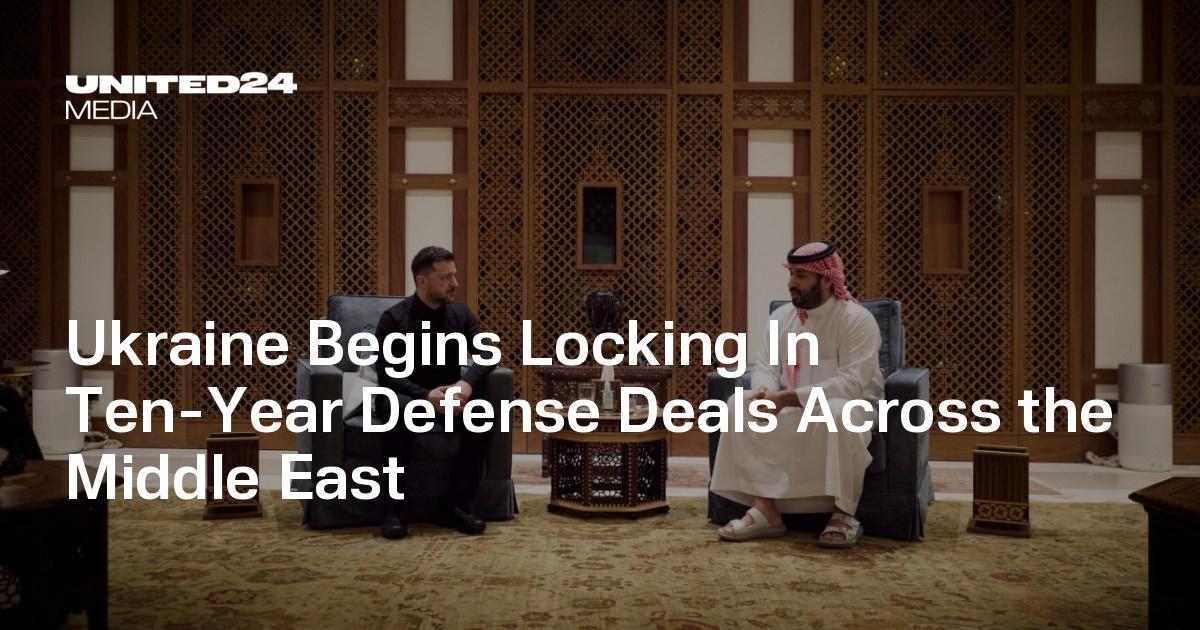
Ukraine Signs 10-Year Defense Pacts With Saudi Arabia, Qatar To Export Drone-Defense Know-How
15 sources compared

Zelenskyy Asks U.S. For Missiles In Exchange For Ukraine's Drone Expertise During Saudi Visit
12 sources compared

US Requires End Of Fighting Before Security Guarantees For Ukraine Begin
25 sources compared

Pentagon Weighs Redirecting Weapons Destined for Ukraine to West Asia
19 sources compared