
Ukraine Summons Israel’s Ambassador Over Allegedly Stolen Grain Vessel Docking in Haifa
Key Takeaways
- Ukraine summoned Israel’s ambassador over a Haifa grain shipment allegedly stolen from Russian-occupied Ukraine.
- Kyiv states the grain originated from occupied Ukrainian territories; demands action to prevent unloading.
- Israel’s foreign minister says allegations require evidence; Kyiv received a formal protest note.
Haifa grain dispute
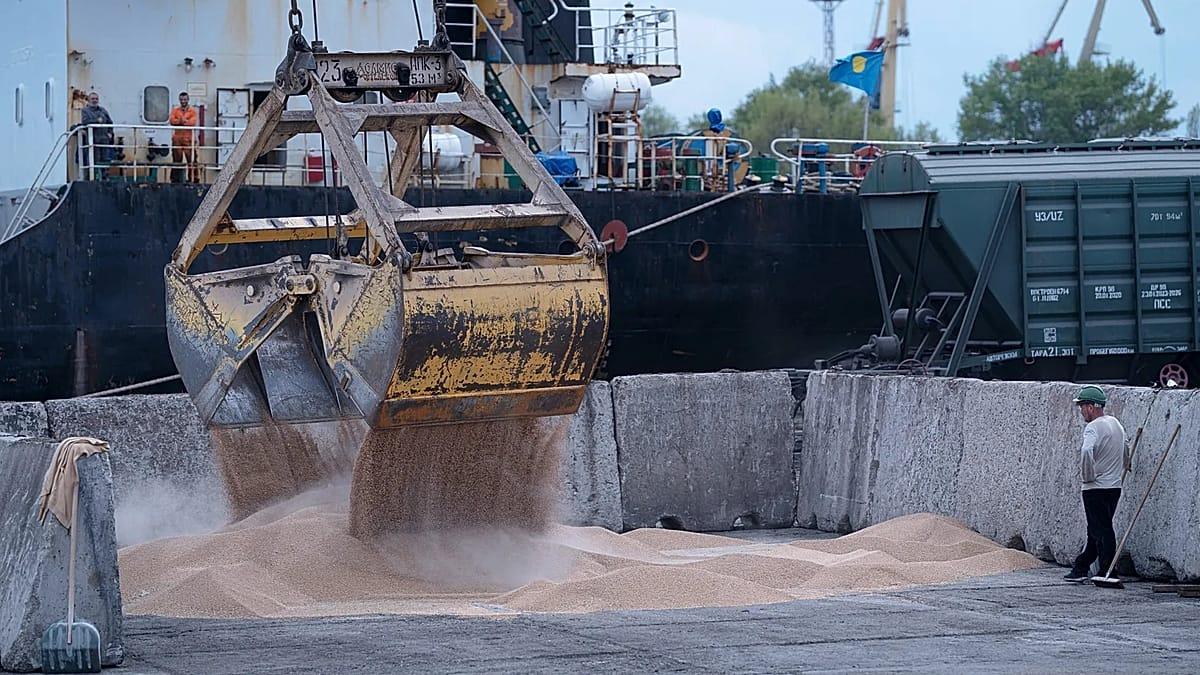
Ukraine escalated a dispute with Israel over grain it says was stolen from Russian-occupied Ukrainian territory by summoning Israel’s ambassador in Kyiv and warning of consequences if Israel allows another vessel to dock in Haifa.
“Ukraine summons Israeli ambassador over vessel with 'stolen grain' in Haifa Foreign Ministry warns Israel against accepting cargo, cites risk to bilateral relations Kanyshai Butun 27 April 2026•Update: 27 April 2026 ISTANBUL Israeli Foreign Minister Gideon Saar on calls Ukraine’s statement 'allegations,' adding that 'evidence substantiating the allegations have yet to be provided' Ukraine’s Foreign Ministry on Monday summoned the Israeli ambassador to present a protest note and request action on Tuesday over a vessel carrying what Kyiv says is "stolen grain" to the northern port city of Haifa”
Multiple outlets describe the same core sequence: Ukraine’s Foreign Ministry summoned the Israeli ambassador, and Ukrainian Foreign Minister Andrii Sybiha posted on X that “Russia's illegal trade in stolen Ukrainian grain should not undermine” friendly relations.

Reuters, via Marine News Magazine, reported that a Ukrainian diplomatic source told Reuters on Monday that Israel risks “a full suite of diplomatic and international legal responses” if it allows the vessel to dock.
Arab News PK and Anadolu Ajansı both frame the move as a protest over a shipment to an Israeli port “allegedly containing grain farmed on Russian-occupied Ukrainian territory,” with Sybiha saying he summoned the ambassador “to present our protest note and request appropriate action.”
The dispute centers on Haifa and on vessels Kyiv says carry “stolen” goods, with the Israeli side responding that “Claims are not evidence” and that “evidence substantiating the allegations have yet to be provided.”
In the background, DIE WELT places the allegation in the context of Ukraine regarding trade from occupied territories as illegal and notes that “Almost one-fifth of Ukraine's territory has been under Moscow's control” since Crimea’s annexation in 2014 and Russia’s invasion in 2022.
Timeline and escalation
The reporting ties Ukraine’s latest move to an earlier episode involving a different Russian vessel that Kyiv said also delivered stolen wheat to Haifa, and it repeatedly emphasizes that Ukraine had already raised the issue before.
Euronews describes that earlier case in April when the Russian bulk carrier Abinsk delivered “nearly 44,000 tonnes of stolen Ukrainian wheat to Israel,” prompting Kyiv’s foreign ministry to warn Israeli officials about the possible origin of the cargo and to stress “the inadmissibility of import operations with such products.”

Euronews adds that Ukraine said it received “Assurances” about an appropriate response, but that “despite the information provided and contacts between the parties, the vessel was allowed to unload at the port of Haifa on 12-14 April.”
Ukrinform similarly recounts that on April 15 Sybiha drew attention to a Russian ship carrying stolen Ukrainian agricultural products that had docked at an Israeli port, and it says Israel informed Ukraine it was “already too late to detain the Russian vessel” because it had left Haifa.
In the current round, multiple outlets identify the vessel Panormitis as the one awaiting permission to dock in Haifa, with TVP World saying shipping tracking data showed Panormitis reached Haifa on Sunday and was awaiting permission to dock on Monday.
Euronews and the Kyiv Independent both describe Panormitis as Panama-flagged and as carrying grain Kyiv says originated from Russian-controlled territories, with Euronews citing “over 6,200 tonnes of wheat and 19,000 tonnes of barley.”
Anadolu Ajansı adds that Kyiv expects Israel to seize grain “amid the docking” of the vessel and says Kyiv informed Israel on March 23 about the vessel, the possible origin of its cargo, and the “inadmissibility of import operations with such products.”
Voices on both sides
The dispute is being fought through formal diplomacy and public messaging, with Sybiha and Gideon Saar trading sharply worded statements on X while Ukraine’s foreign ministry summons the ambassador.
“What is going on with two shiploads of grain in the Israeli port of Haifa”
Sybiha’s message is consistent across outlets: he says “Friendly Ukrainian-Israeli relations have the potential to benefit both countries,” and he warns that “Russia’s illegal trade with stolen Ukrainian grain should not undermine them.”
He also frames Israel’s response to the previous vessel as inadequate, saying “It is difficult to understand Israel’s lack of appropriate response to Ukraine’s legitimate request regarding the previous vessel that delivered stolen goods to Haifa.”
Saar’s replies emphasize procedure and evidence, posting “Allegations are not evidence,” and adding “Evidence substantiating the allegations have yet to be provided.”
Saar also objects to the public nature of the exchange, writing “Diplomatic relations, especially between friendly nations, are not conducted on Twitter or in the media,” and he says Ukraine did not “even submit a request for legal assistance before turning to the media and social networks.”
Reuters, as carried by Marine News Magazine, adds a Ukrainian diplomatic source’s warning that if the Panormitis cargo “isn't rejected,” Ukraine reserves “a full suite of diplomatic and international legal responses.”
On the Ukrainian side, the Kyiv Independent reports that Ukraine plans to hand over a protest note and “request appropriate action” during the meeting with the Israeli ambassador, while Euronews says Ukrainian officials suggested that if Israel does not reject the cargo, it could lead to “significant diplomatic consequences.”
How outlets frame it
While the underlying facts of the summons and the Haifa docking dispute are shared across coverage, outlets differ in how they characterize the claims and what they foreground about evidence, legal posture, and the scale of shipments.
DIE WELT frames the issue as a question about “two shiploads of grain” in Haifa and says Kyiv’s view is that the goods “originate from Russian-occupied territories,” while it notes that Israel’s foreign minister responded with surprise and insisted “Claims are not evidence.”
Arab News PK and Euronews both describe Ukraine’s protest as being triggered by a shipment “allegedly containing grain farmed on Russian-occupied Ukrainian territory,” but Euronews adds a detailed accounting of Panormitis’s cargo and the earlier Abinsk unloading window of “12-14 April.”
TVP World emphasizes the diplomatic risk and cites Reuters for the warning that failure to reject Panormitis could cause “a severe diplomatic backlash,” while it also specifies Panormitis’s reported cargo as “25,000 tons of wheat and barley.”
Anadolu Ajansı includes a procedural timeline, saying Kyiv informed Israel on March 23 about the vessel and that the ministry expects Israel to seize grain “amid the docking” of the ABINSK-related situation and Panormitis entry.
The Kyiv Independent and United24 Media both identify the Israeli ambassador by name as Michael Brodsky, with the Kyiv Independent stating Ukraine summoned “the Israeli Ambassador, Michael Brodsky,” and United24 Media describing the ministry summoning him to deliver a formal protest note.
Haaretz’s report, as carried in the Haaretz excerpt, shifts the focus to European Union scrutiny, saying “The European Union is mulling sanctions on Israeli individuals and entities” and demanding information from Israel regarding “Ukrainian wheat stolen by Russia and imported into Israel.”
Euromaidan Press, in contrast, uses a more accusatory framing and repeats that Israel is receiving Ukrainian grain “for the second time,” while it highlights SeaKrime reporting about ABINSK and the “43.7 thousand tons of wheat” figure.
Stakes and next steps
The stakes described by the sources extend beyond the immediate docking decision in Haifa, with Ukraine warning of diplomatic and legal responses and with European Union-level scrutiny entering the picture.
“Kyiv has warned Israel of a brewing diplomatic crisis, should authorities permit a vessel carrying grain allegedly stolen from Russian-occupied Ukrainian territories to dock and unload”
Reuters, via Marine News Magazine, reports that Ukraine warned Israel that if the Panormitis vessel and cargo are not rejected, Kyiv reserves “a full suite of diplomatic and international legal responses,” and the same Reuters framing appears in other outlets discussing the risk of a diplomatic crisis.

Euronews says Ukrainian officials suggested that if Israel does not reject the cargo, it could lead to “significant diplomatic consequences,” and it ties that warning to the Panama-flagged Panormitis vessel, which it says is allegedly carrying “over 6,200 tonnes of wheat and 19,000 tonnes of barley.”
The Kyiv Independent adds that Ukraine’s foreign minister said the Ukrainian side plans to hand over a protest note and “request appropriate action” during the meeting with the Israeli ambassador on April 28, placing the next step in a specific date and diplomatic setting.
United24 Media similarly says the Ministry of Foreign Affairs summoned Michael Brodsky to deliver a formal protest note, and it describes the meeting as expected “on Tuesday morning” after Sybiha announced the move on April 27.
Haaretz’s excerpt indicates that the European Union is “mulling sanctions on Israeli individuals and entities aiding Russia in circumventing international sanctions,” and it says the EU is demanding information from Israel regarding “Ukrainian wheat stolen by Russia and imported into Israel.”
In the longer arc, Euronews reports that Kyiv estimates “at least 15 million tonnes of Ukrainian grain have been stolen by Russia since the start of the full-scale invasion in 2022,” and it also recounts that Ukraine’s foreign ministry said the Abinsk case involved the “shadow fleet” used to “illegally export, transport and sell stolen Ukrainian grain.”
Even as Israel insists the matter will be examined and that authorities will act “in accordance with the law,” the sources show that Ukraine is pressing for concrete action at the port and for legal mechanisms after previous shipments were allowed to unload.
More on Ukraine War
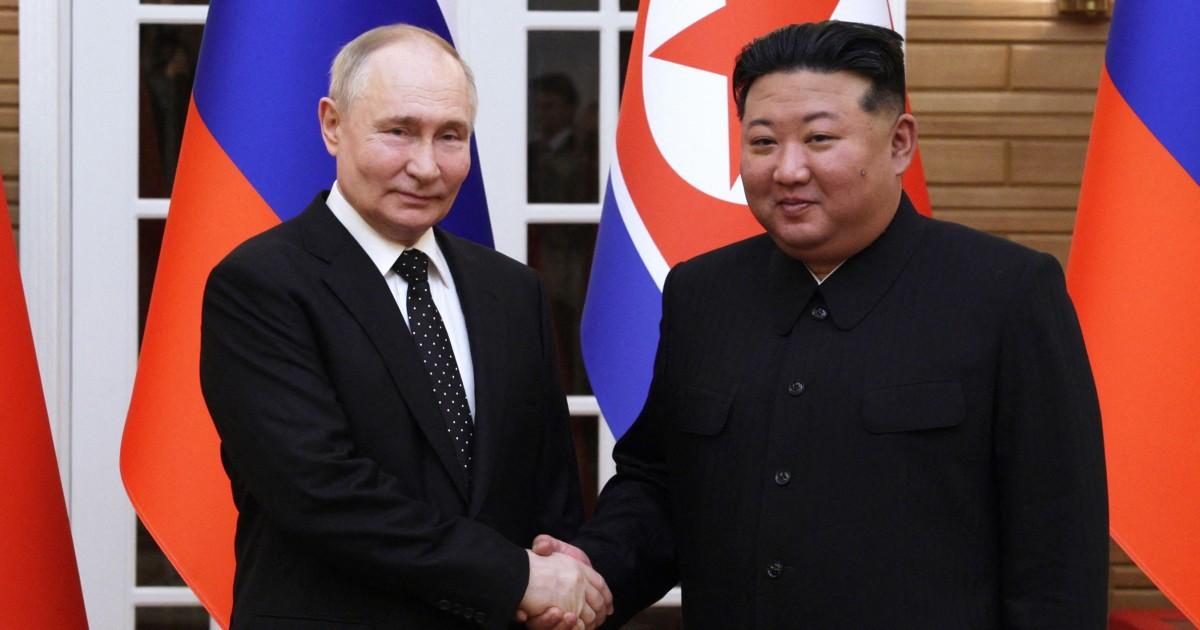
Kim Jong Un Opens Memorial Museum in Pyongyang for North Koreans Killed Fighting in Ukraine
12 sources compared
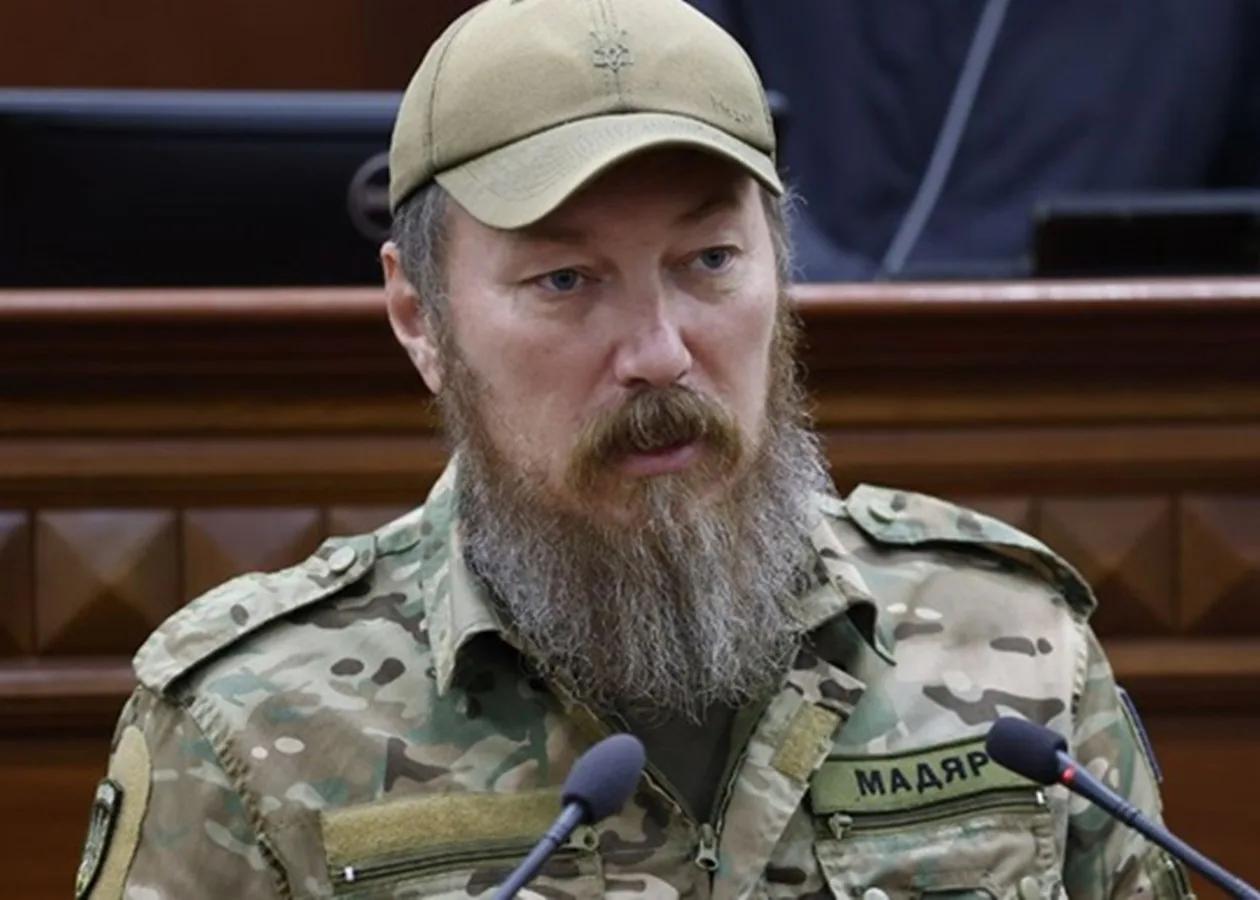
Ukraine’s Robert Brovdi Warns Long-Range Drones Turn Russia’s Peaceful Rear Into Battlefield
18 sources compared

Donald Trump Jabs Prince Harry Over Ukraine Remarks, Tells Him ‘Give Meghan My Regards’
43 sources compared

Zelensky Calls US Envoys Steve Witkoff and Jared Kushner’s Kyiv Skip Disrespectful
18 sources compared